The April 2026 Lurid Things


Greetings!
It’s pollen season. Are you corticosteroidmaxxing? Claritin mogging? Am I going to keep co-opting Gen alpha male-sphere terminology until they start believing in therapy as a valid scientific institution? You bet your bottom bitcoin, Susanne!

On the days when my airways didn’t shut down (not an exaggeration, talk to my pulmonologist/allergist) I did enjoy the fair blooms of spring, thank you very much.

Without further ado...
Merriam-Webster defines ‘lurid’ as:
Lurid: adjective (lu· rid) ˈlu̇r-əd1 a: causing horror or revolutionb: melodramatic, sensational2 a: wan and ghastly pale in appearanceb: of any of several light or medium grayish colors ranging from yellow to orange3 shining with the red glow of fire seen through smoke or clouds
April’s Lurid Things
(SCIENCE) Ornithopters, Oh My! NASA's 2028 Mission to Titan
(MUSIC) Reflection Without Shame: Bean Avery's Yearning
(BOOK) Things That Go Goo in the Night: Wolf Worm by T. Kingfisher
(OBJECT) Behold: Free Will! The LEGO Brick Clog
(ART) The Fire That Drank the Shadow: The Art of Julia Soboleva
(TV) The Bloody Pursuit of Jade
(SCIENCE) Ornithopters, Oh My! NASA's 2028 Mission to Titan
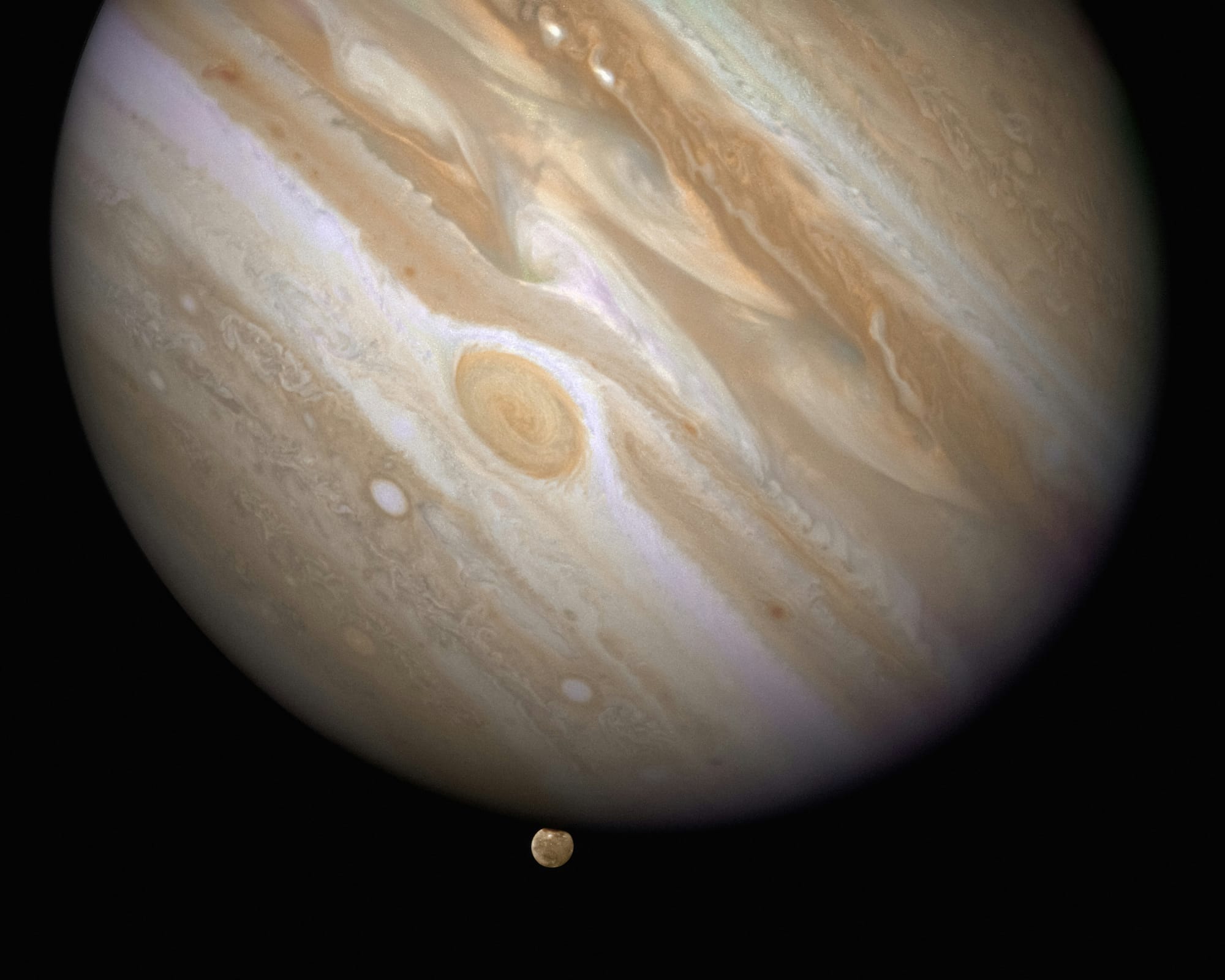
Titan. The largest moon of Saturn. Known for its thick, cheese-like haze of methane clouds and frigid hydrocarbon lakes, seas, and oceans. Home to an Australia-sized continent that, one could say until now, has been a place where nobody dared to go…
(Xanadu. The continent is called Xanadu.)
Set for a July 2028 launch date, NASA’s Dragonfly mission will set course for the second-largest moon in the solar system, traveling billions of kilometers until it reaches its orbit.[1]There, it will mimic what our Mars landers have done decades before it: a little bit of atmospheric entry, a dash of a descent shimmy, a dollop of a heat shield shake, and then, in a sharp departure from the standard Mars Rover protocol, Dragonfly’s octocopter will land on Titan’s surface near the equator, only to launch itself later into a smooth, repeatable, and rechargeable flight.[2]

Artist concept of Dragonfly, courtesy of [NASA](https://science.nasa.gov/mission/dragonfly/multimedia/#ontitan)
The octocopter is a nuclear-powered drone (a multi-mission radioisotope thermoelectrical generator that charges a lithium battery) with four pairs of spinning rotors, making the entirety roughly the size of a small four-door sedan. The gravity of Titan is less than our moon’s, with an atmosphere four times as dense as Earth’s, making flight exploration, frankly, more attractive and more feasible.[3] The flight component of Dragonfly is what makes this mission so downright lurid: never before in human history have we had an exploratory rover-cum-laboratory-cum-helicopter available. Frank Herbert is pumping his fist beyond the grave in absolute glee.

Big backup on I-70, Bill.
On board will be a neutron-activated gamma-ray spectrometer, a drill for samples, a seismometer, meteorology and geophysics sensors, and a camera for imaging.
But…why go there?
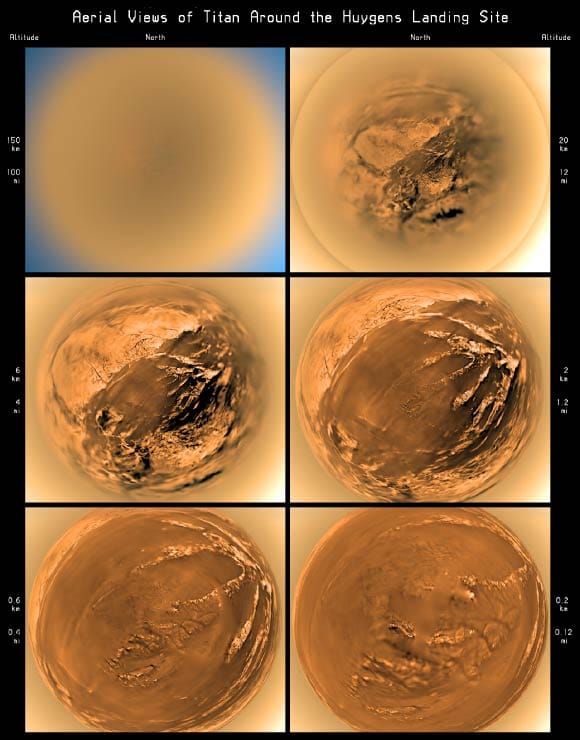
It’s a valid question, as Titan is the farthest body in our solar system that a surface probe has ever landed upon. The joint NASA-ESA mission of Cassini-Hyugens in 2004 was responsible for capturing our current images of Titan’s surface, which was something that we had only captured before in flybys by Pioneer 11 in 1979, Voyager I in 1980, and Voyager II in 1981.

The hills are alive…with methane…
Bad day in San Fran, am I right?
At about 1,150 kilometers across, Titan is large for a moon, more planet if it wasn’t for a pesky ringed giant named Saturn. Saturn is 9.5 astronomical units away from our Sun,[4] and so compared to the Earth, the Sun on Titan is only at 1% its usual intensity. This is a roundabout way of saying that the surface of Titan is cold. -180 degrees Celsius cold. And yet (here is where I answer the question), this tiny, frigid moon has more in common with Earth than any other body in the solar system. Titan’s atmosphere is nitrogen-based like Earth’s, and it has a complicated carbon-based chemistry that mimics Earth’s water cycle in lakes, seas, and oceans of liquid methane. It’s a cycle that could currently support alien life, and it’s also what scientists think Earth was like billions of years ago. Studying Titan would answer a lot of questions scientists have been pondering, one in particular being: where did our moon come from? Studying Titan up close would also allow us meager humans to study the conditions and chemical reactions of early Earth that just aren’t feasible in labs,[5] whether that be due to pressure or temperature restraints.

Courtesy of [NASA](https://science.nasa.gov/gallery/titan-images/)
Lastly, going to Titan would be cool as hell, which I think is reason enough.
(MUSIC) Reflection Without Shame: Bean Avery's Yearning
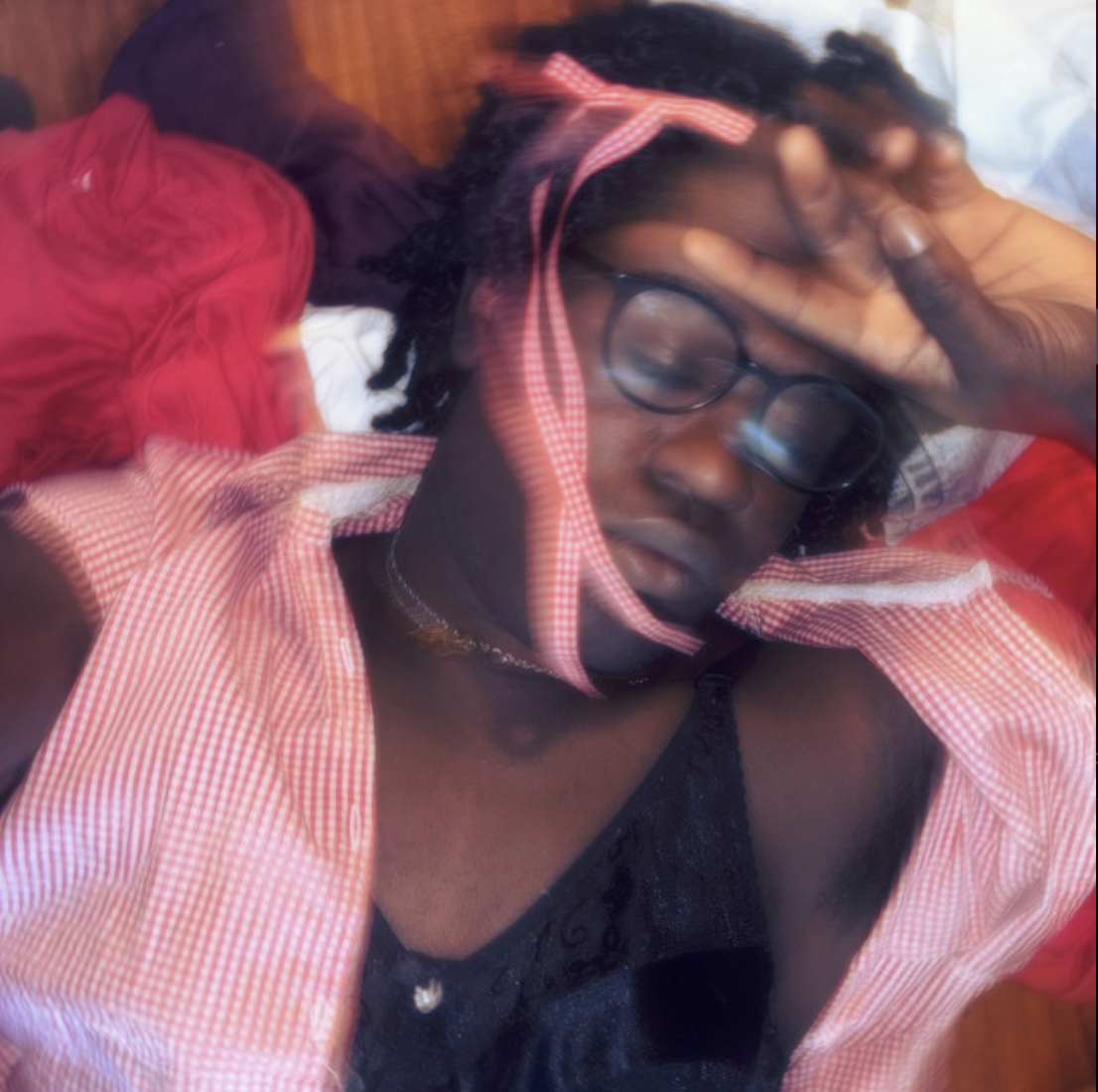
I first came across Bean Avery when their impossibly earworm-y single “Bianca Stratford” popped up on my Discover page:
At the time of this article, it has over 2 million plays on Spotify, followed by “Two Best Friends,” with over a million. Hooked and intrigued, I tried to look up the artist and found the equivalent of internet tumbleweeds. My mind jumped to a variety of lurid thoughts: Had they died? Had they quit the music scene abruptly? Had they been sued? It’s a wonder the lengths our modern brains will go to make sense of an online disappearance, and it’s perhaps telling that mine jumped to things dark and melodramatic.
It was only until I stumbled across their old Facebook artist’s page that I understood that the truth was far less lurid (but way more embarrassing on my end): I had been…unintentionally deadnaming her:

It was a relief to know that they hadn’t suddenly died, or any of my other lurid expectations, but rather had made a completely reasonable pivot to better reflect their identity. When I found their new artist’s page on Spotify, I was excited to see that her single had just been released this year. It immediately reminded me of the nostalgia and yearning of the 00’s rock ballads, namely Yellowcard’s “Ocean Avenue” and Blink-182’s “I Miss You”:
2000s playlists with songs from the '10s
Falling for someone then dating their friend
Hide from your mom who you're hanging with now
Pausing locations then skipping through town
Ranking the boys by their height and their abs
Spending 2 weekends a month at your dad's
Teenage suburbia shouldn't feel this bad
What do you know when you lie on the floor
And the world starts to spin and you're in the center
Out looking in you begin to admit
That you don't wanna live in this disaster
Town anymore, with the white picket fences
And blue painted doors and the spray-on grass
Neighbors at war over kids on the porch
Being young and not knowing it won't last and
Soon you'll grow up with the kids you've known your whole life
Soon you're adults making jokes about wasted time
It’s a frank, unflinching look at the context woven into the fabric of your former life, so devoid of lurid shame that what’s left is a melancholic yearning for what can no longer be.
As a bystander, it’s exciting to witness an artist fearlessly explore a whole other sound and genre. I’m looking forward to Bean Avery’s upcoming EPs (but I, in the meanwhile, promise to keep my sensational thoughts on a leash).
You can listen to Bean Avery’s music on Spotify
(BOOK) Things That Go Goo in the Night: Wolf Worm by T. Kingfisher
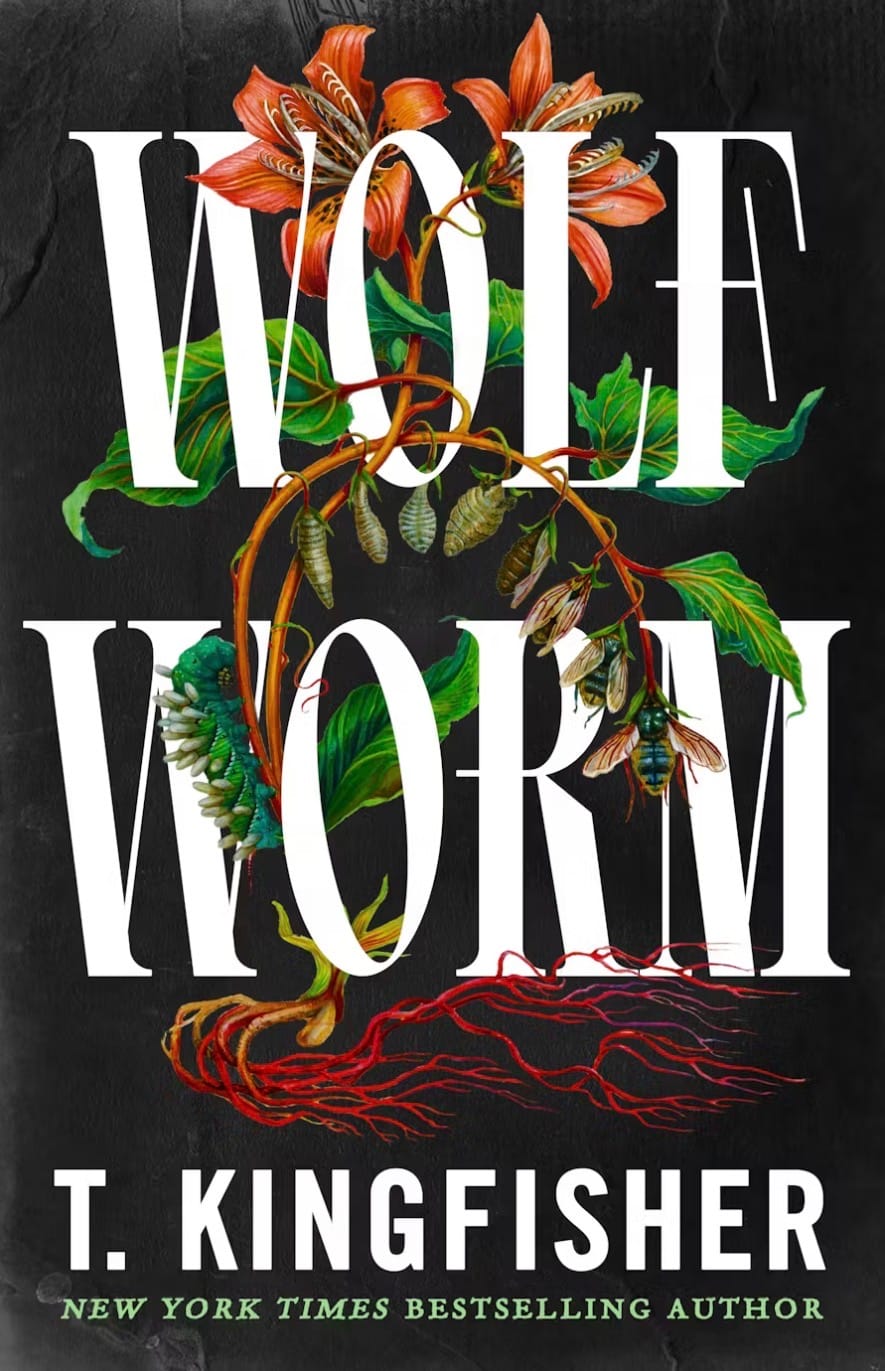
It’s 1899 in North Carolina, and 30-year-old Sonia Williams, former art teacher and haver of money, faces a true Southern Gothic horror: forced to become a scientific illustrator for a revolting entomologist named Dr. Halder. Her story starts with the man forgetting to pick her up from the muggy train station, forcing her to hitch a ride with a prickly and stark-raving Christian man named Phelps, who warns of the dangers of the blood eaters in the darkened woods at night. Undeterred and not in the least bit put off (remember, she’s broke and she already left her last paid position back in Delaware), Sonia soon ingratiates herself into the Halder household under the more friendly eye of the housekeeper, Rose Kent, who is stuck herself under the meager and indifferent protection of Halder’s roof due to her interracial marriage to the cheerful and white Jackson Kent. As Sonia begins to settle into her routine of specimen examination and illustration, things start to go, well, literally bump in the night.
And then goo.
(Fair warning: It does get rather gooey, then bloody, though never fully swerving into the body-horror gore lane, but close.)
I love T. Kingfisher’s writing because the psychologies of her protagonists are so cleverly woven into the tension of the plot that once we become acquainted with the world-building, we the readers are as invested in the emotional reality of Sonia as we are with what the heck is Halder doing in the middle of the night by that weird shed in the woods?! Aka, the plot.
What makes Wolf Worm so compelling is that we follow Sonia at all: Scientific illustrators of that time period, who were almost always women, were background features to the entomologists of their field. Sonia goes from being an artist, a bystander, to watching events unfold until she is forced to become an active participant, pressed onto the glass slide and examined like the specimens that, up until that point, she’d only passively observed under her magnifying glass.
Wolf Worm is also less obviously a story about the lens of scientific examination: Do we ever contemplate the perspective or feelings of the animal under the microscope? Do we ever look at the beautiful drawings from entomological or medical illustrators and wonder what hoops they had to jump to get the subject to lay flat? Is there a method of observation or study out there that doesn’t involve violence or torture? Does scientific progress always imply loss?
I think so, and I think Sonia does, too.
You can purchase Wolf Worm on Bookshop.org
(OBJECT) Behold: Free Will! The LEGO Brick Clog

Just when you thought the world hid no further mysteries, LEGO linked arms with Crocs this past winter and gave birth to the LEGO Brick Clog. A single pair will set you back an American $149.99, but what is money, savings, or good sense when you walk into a party looking like this?

Quite the sensation.
(ART) The Fire That Drank the Shadow: The Art of Julia Soboleva
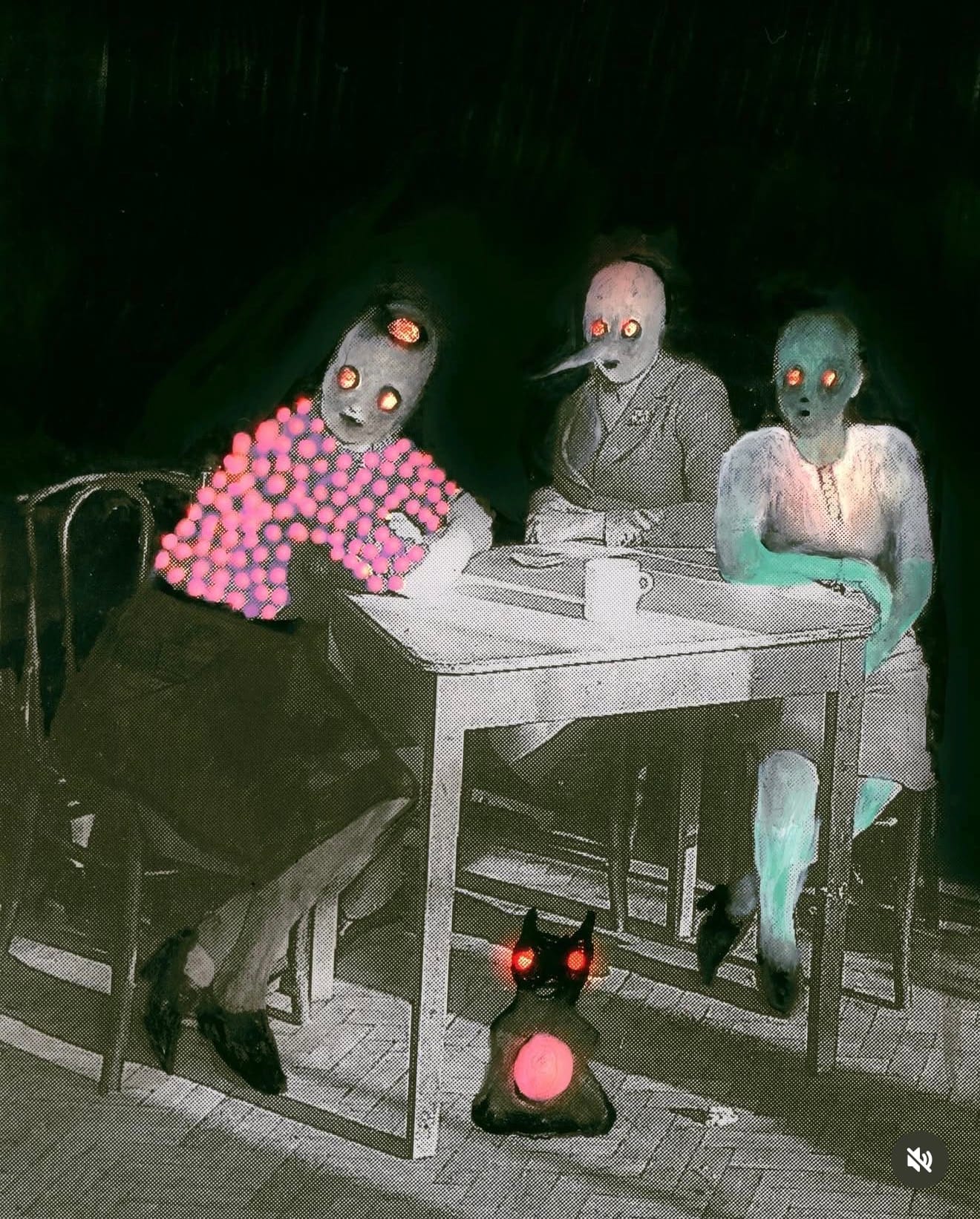
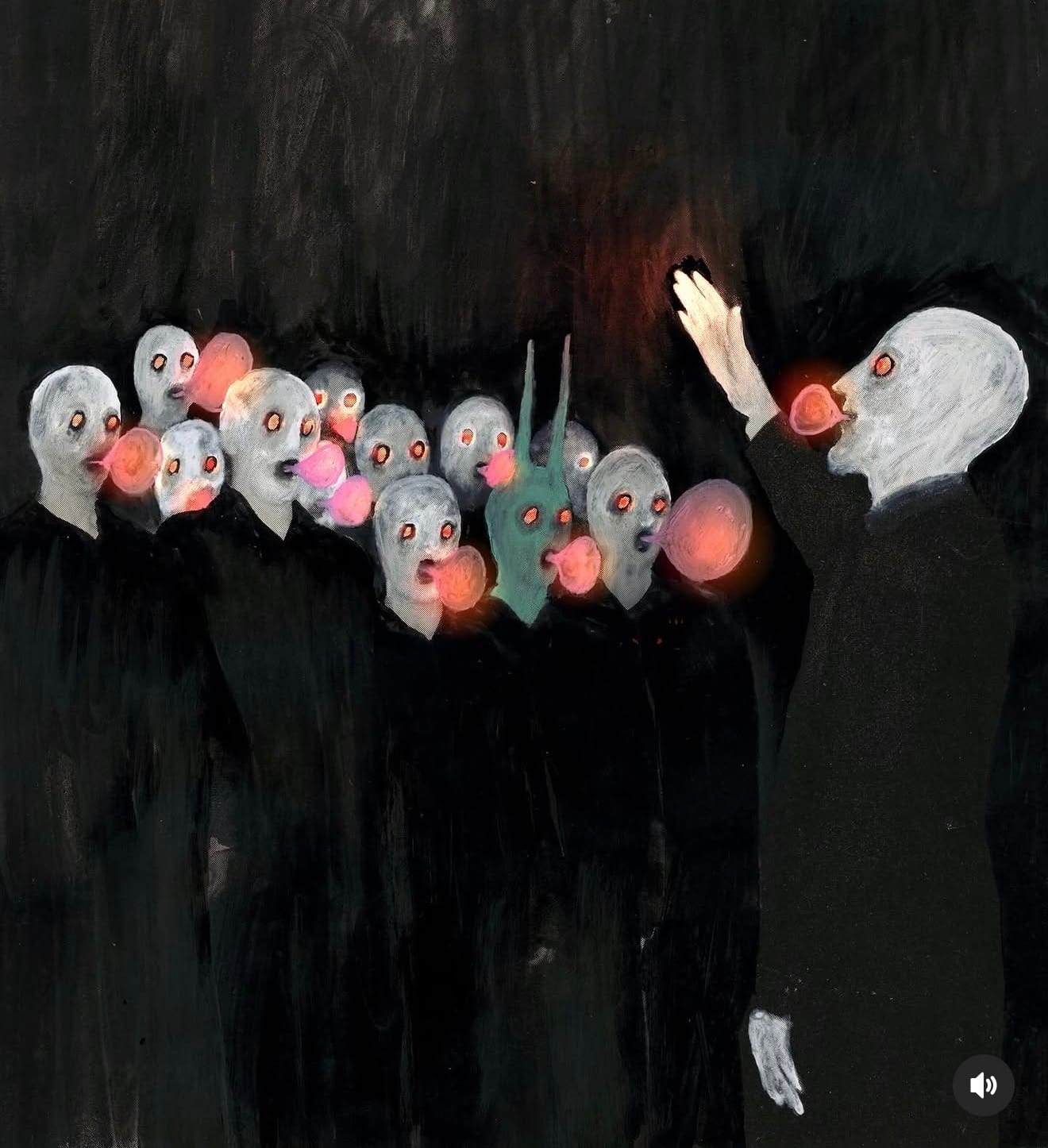
The mixed-media art of Julia Soboleva are two parts fiery abandon, two parts Where the Wild Things Are, two parts social and global sociopolitical critique, two parts unfathomable trauma and hope, and two parts the ballroom photograph in The Shining. It’s no wonder her art is so complex and labored: Soboleva was born during the end of the Soviet rule of Latvia, a period of shifting national identity, and then moved to the UK in 2008, where she resides currently.
"…there was Domovoy living in our house. In pre-Christian Slavic mythology, Domovoy is a household spirit and it protects inhabitants from harm. To keep Domovoy happy one has to keep their home tidy and leave them little snacks overnight. Our Domovoy had a sweet tooth so we used to feed them with candy. Dream interpretations and fortune-telling were also a very normal phenomena when I was growing up.
So it was a highly developed imagination and intuition that developed my creativity and also helped me to navigate and make sense of some challenging family circumstances." [1]
(I, too, had a Domovoy growing up, but that’s a tale for another time.)
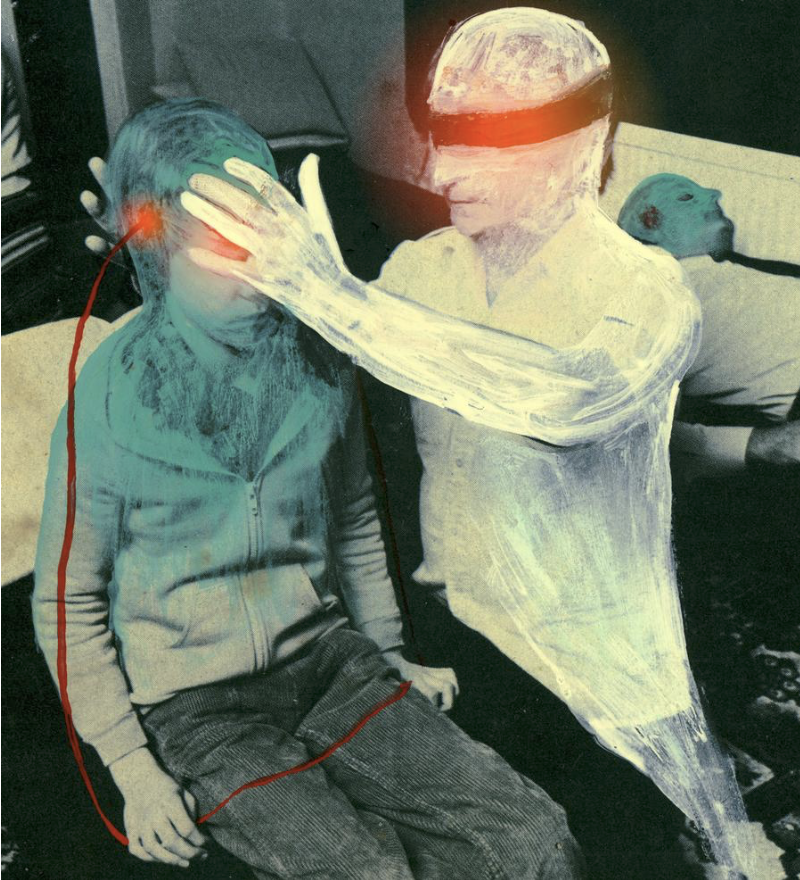
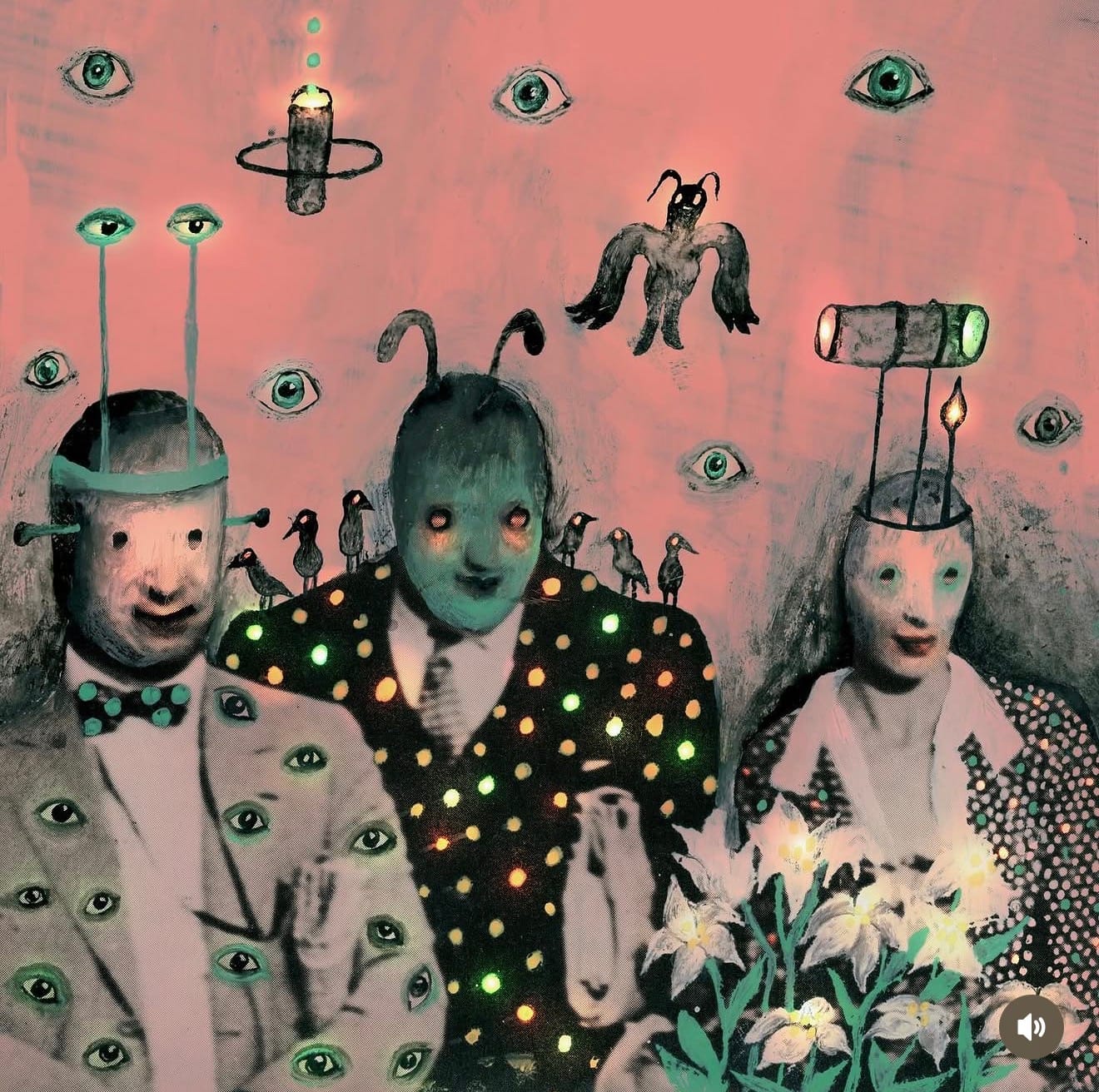
Soboleva is a trained illustrator, with a process that starts with found photographs, from flea markets and antique stores, and ends with an intuitive painting process that’s more feel than form:
"Roland Barthes said each photograph is loaded evidence. It’s like a caricature of not a thing of what it represents but of its very existence. Photography is a very strange medium, like hallucination. ‘False on the level of perception, true on the level of time’.
So the photograph itself is like a ghost, like a fingerprint of an occurrence. It especially applies to old abandoned imagery. It’s not moving, it’s not telling a story, it’s not personified (our minds make it so). The photograph itself is just this mad image, pulsating with the evidence of ‘something happening somewhere sometime’. So I use this image as a portal to get to another possibility of an occurrence. The image itself leads the way and helps me to navigate the direction of how it wants to manifest. It’s like traveling in the multiverse.
It’s a purely intuitive process. Sometimes a glitch occurs and it abrupts halfway through. Sometimes it’s astonishing how freely it flows on its own and the whole artwork can be done within 30 minutes. Some pieces are more technically advanced and take a few weeks to accomplish."
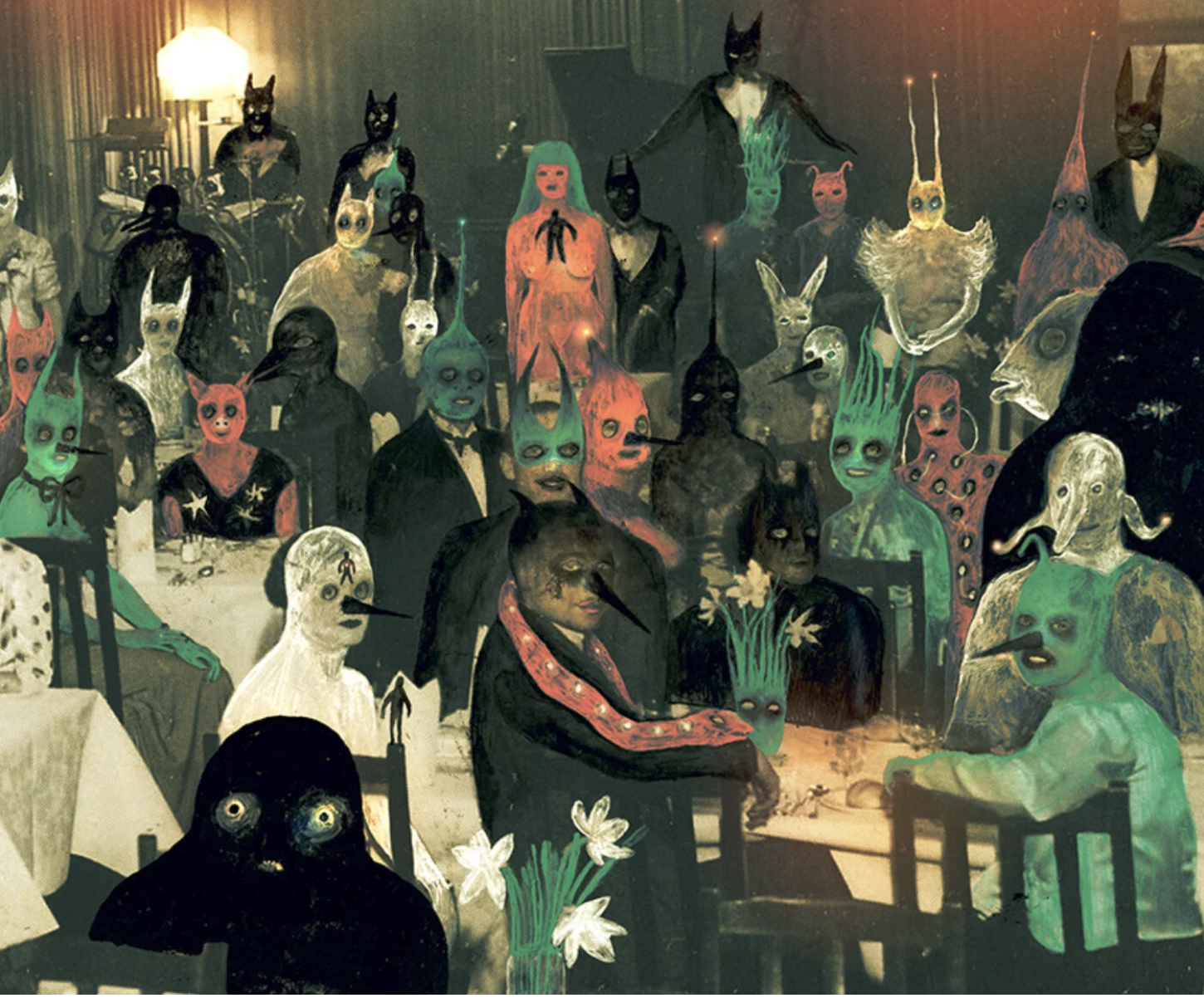
What entrances me with each viewing of her art is the gentility of the evil, and the violence of the good. Somehow, to me, her work captures the human paradox, the interplay of light and dark, and the ways we exist in the morally grey. It is as if by bearing witness to the subjects of these photographs, Soboleva is then able to transmute their essence into a more complex, rich story of the human varied existence.
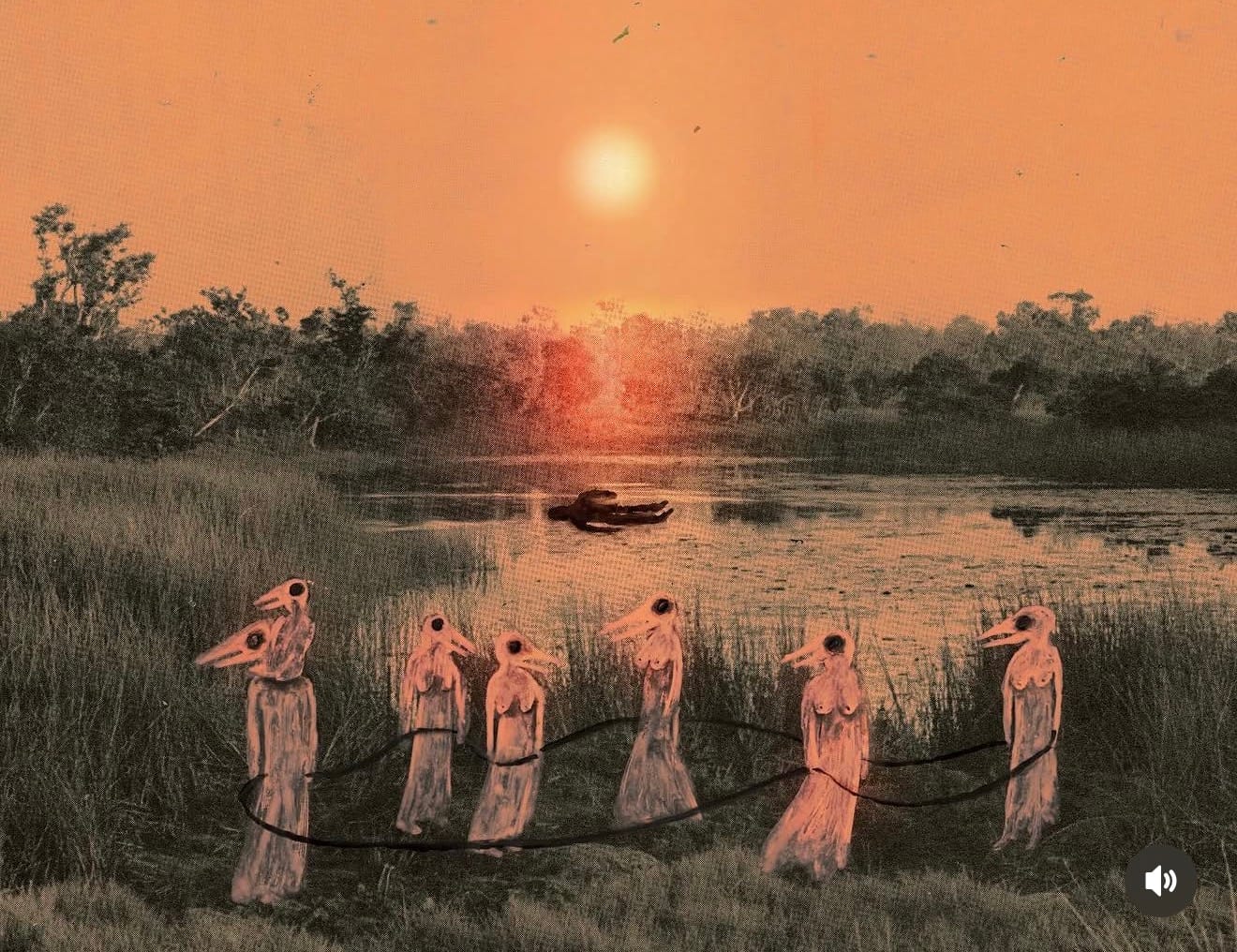
Her work has been called “eerie,”[1] “strange and sinister,”[2] with an “incredibly distinctive visual style.”[3] To me, it is sublime. Although, maybe I’m biased, as I, too, happen to feel the most creative under the following circumstances:
"It might sound banal, but I feel most creative when I am well rested; either when I’ve had a good night’s sleep or after I’ve practised meditation. It’s all about having a neutral mind, with emotions and thoughts being processed and balanced. Maintaining mental hygiene is an absolute necessity for me, as it means I can stay creative. And since I’m a full time artist, taking care of my mental and emotional health is my professional responsibility. I think the relationship between an artist and their mind is a bit like being a gardener – you constantly monitor the health of your plants, you trim them, you fertilise the soil and then, bham! Everything’s in blossom."
https://fadmagazine.com/2023/05/16/julia-soboleva-talks-to-phillip-edward-spradley/ ↩︎
https://apollo-magazine.com/julia-soboleva-monograph-reviewed/?amp=1&fbclid=IwAR17iREviAxkje1KaA0Yj9lM7FH0GsPPiJiqLPzAE1nZ2PpZI7jq5xurMIY&ref=artshelp.com ↩︎
https://everpress.com/blog/julia-soboleva-makes-portals-to-another-world/ ↩︎
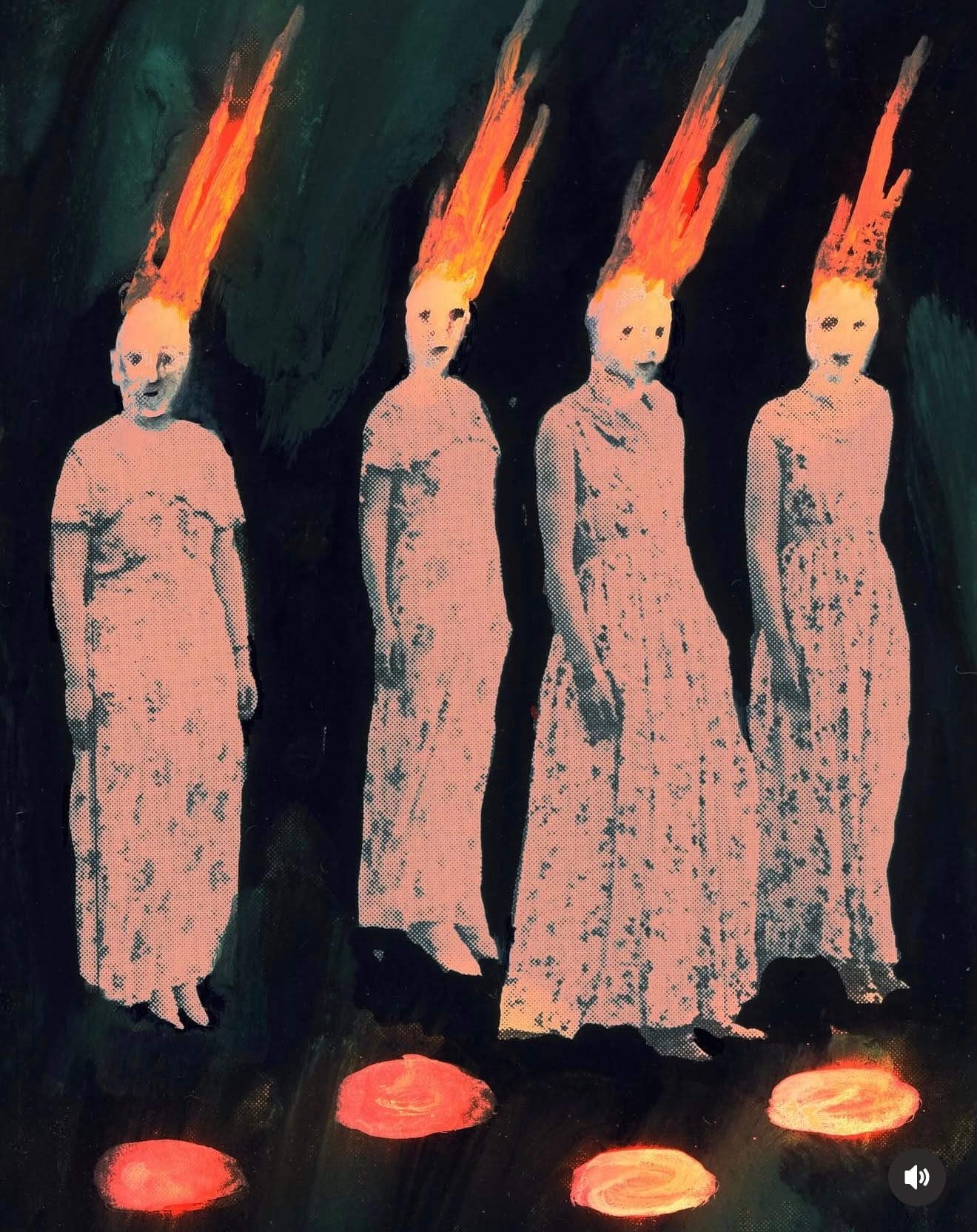
You can purchase Julia’s newest book, The First That Drank the Shadow here, as well as In the Dark Times, the Eye Begins to See here
You can purchase I have found light in the darkness here
You can purchase prints of her paintings here
(TV) The Bloody Pursuit of Jade

The abnormally strong, orphaned daughter of a butcher encounters a mysterious stranger injured and buried beneath the snow on her walk home. It takes Fan Changyu until nightfall to carry Xie Zheng on her back to her home, half-frozen and at death’s door. His injuries are gory and deep, what Changyu thinks is the calling card of a brutal mountain bandit attack, something that also happened to claim the lives of her parents some time ago. She nurses him back to health at the expense of her already dwindling funds, and in the process finds a solution to both of their problems: a fake, matrilocal marriage. The arrangement will stave off Changyu’s gambling uncle who serves to gain from the male inheritance laws of Qingping County and claim the home her parents left her and her little sister, Ning. It also gives the paperless and oddly taciturn Zheng an identity and safety of passage when he travels through the war-torn countryside back to where he supposedly came from. A simple marriage of convenience, right?

Directed by Zeng Quingjie (known for directing the stunning 2024 TV series Blossom), Pursuit of Jade is a gorgeous historical romance, 40 episodes long, each episode more visually lush than the last. It’s also pretty bloody, as remember: Changyu is a poor butcher’s daughter, and offal, after all, is edible…

Changyu’s unflinching strength is what makes her such a refreshing heroine. (Though there are plenty of jokes about her being a gentle, meek girl who definitely does not kill pigs with a single punch to the head, absolutely not! That’s so crazy! Why would you tell eligible men that she’s a butcher?)

If you loved Story of Yanxi Palace like I did, then you’ll love Pursuit of Jade.
You can watch Pursuit of Jade on Netflix or WeTV
That's it for now!
If you need me, I'll be sneaking up on Earth...
...crawling from the dark side of the moon...
...thinking about men who name craters after their deceased wives.
See you (hah!) next month,
XOXO Lauren