The May 2026 Lurid Things
If we shadows have offended, think but this, and all is mended...

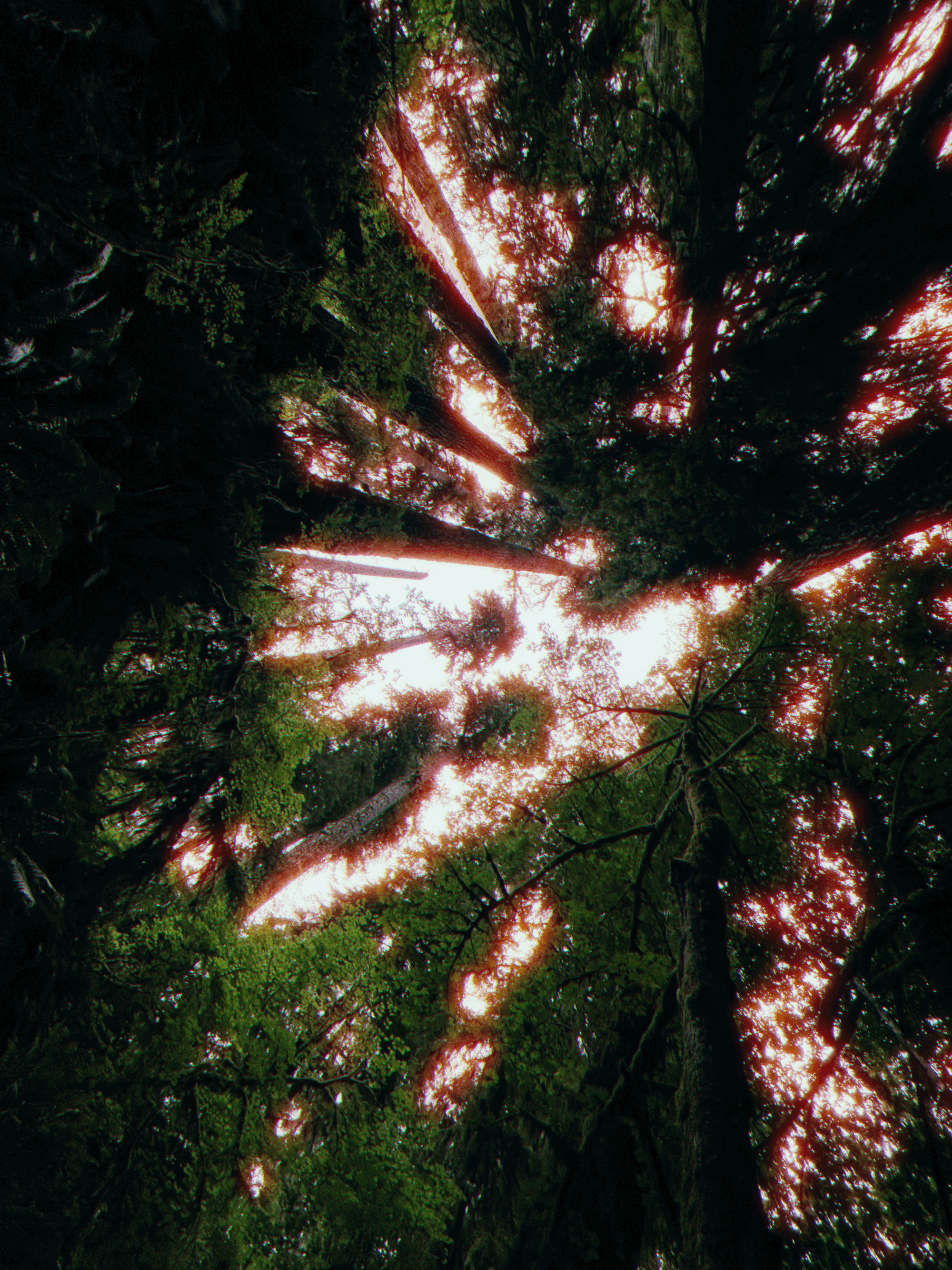
Greetings!
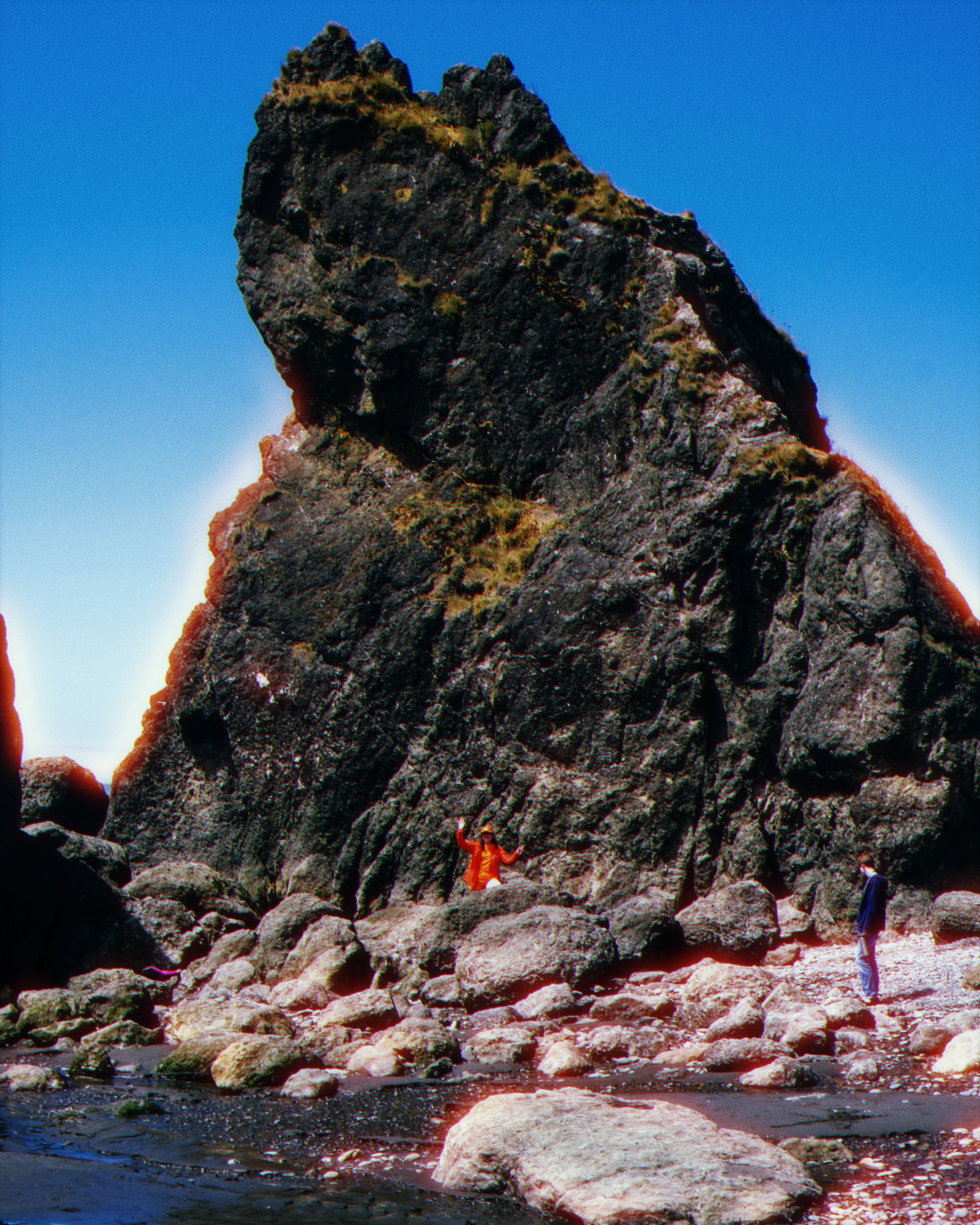
Are you yearning for outside? Are you craving the salt splash of a beach? Are you hesitating because, like most of the East Coast, it’s dropped down to 40 and 60 degrees at night and you’re not sure if you need to turn the heat back on? If so, you’re not alone! The temperatures have become so wild, my body thinks it’s simultaneously July AND November!
So here’s to all the places where you can have it all! Both beach AND cold!
This month, I had the pleasure of meeting the legendary fiber artist Sam Barsky at the Maryland Sheep and Wool Festival. I’ve been a fan of his whimsical sweaters for a couple of years now, and it was really cool to talk about the use of color in fiber art. I’ve worked on and off with crochet, knitting, and weaving since I was eight, and so understandably that weekend spent roughly the entirety of my life savings on merino, alpaca, and Bluefaced Leicester wool. Whoops!
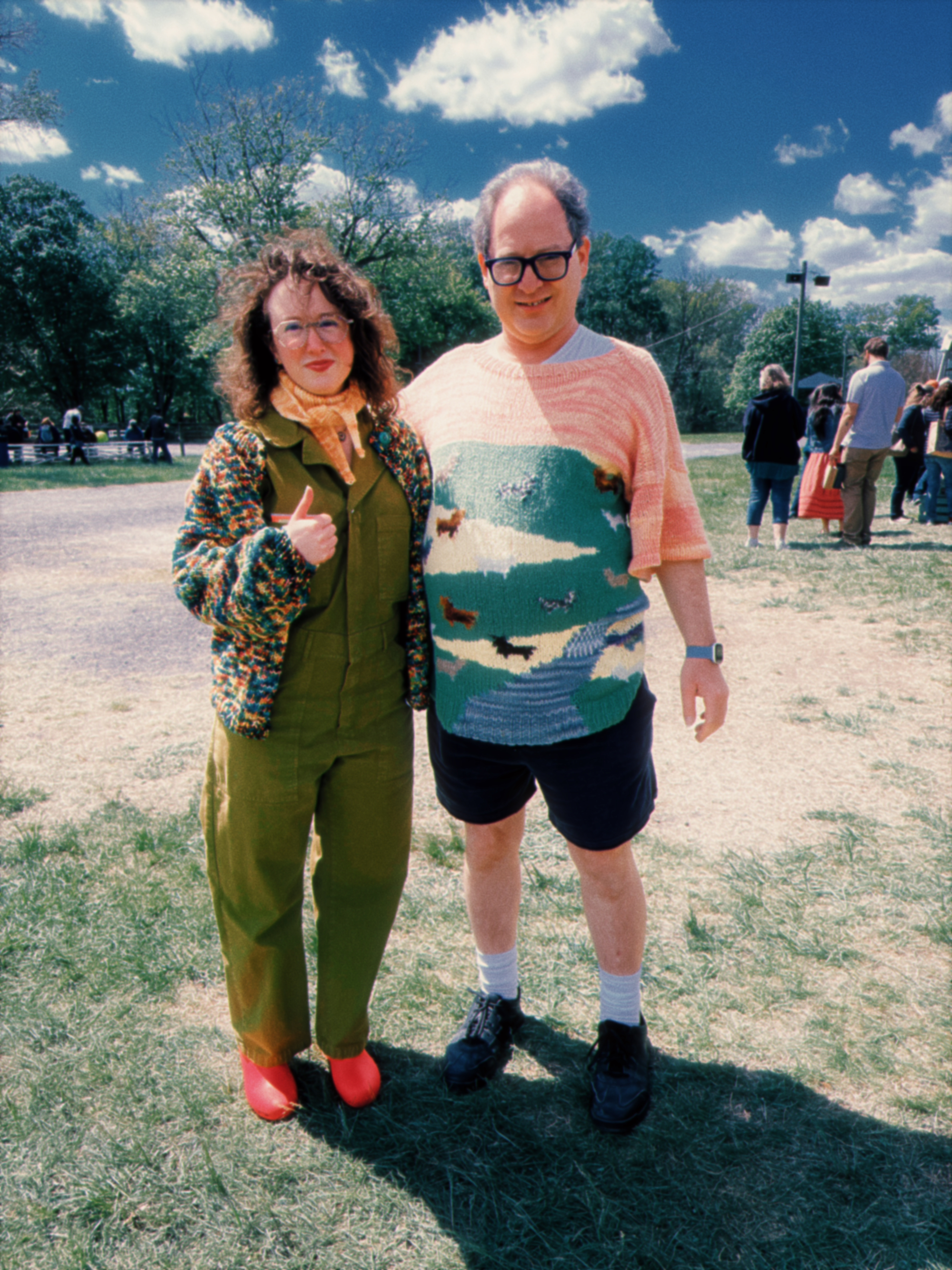
If you’re into slow fashion or fiber art, you can follow my fiber arts account, LaLa’s Penderie, here
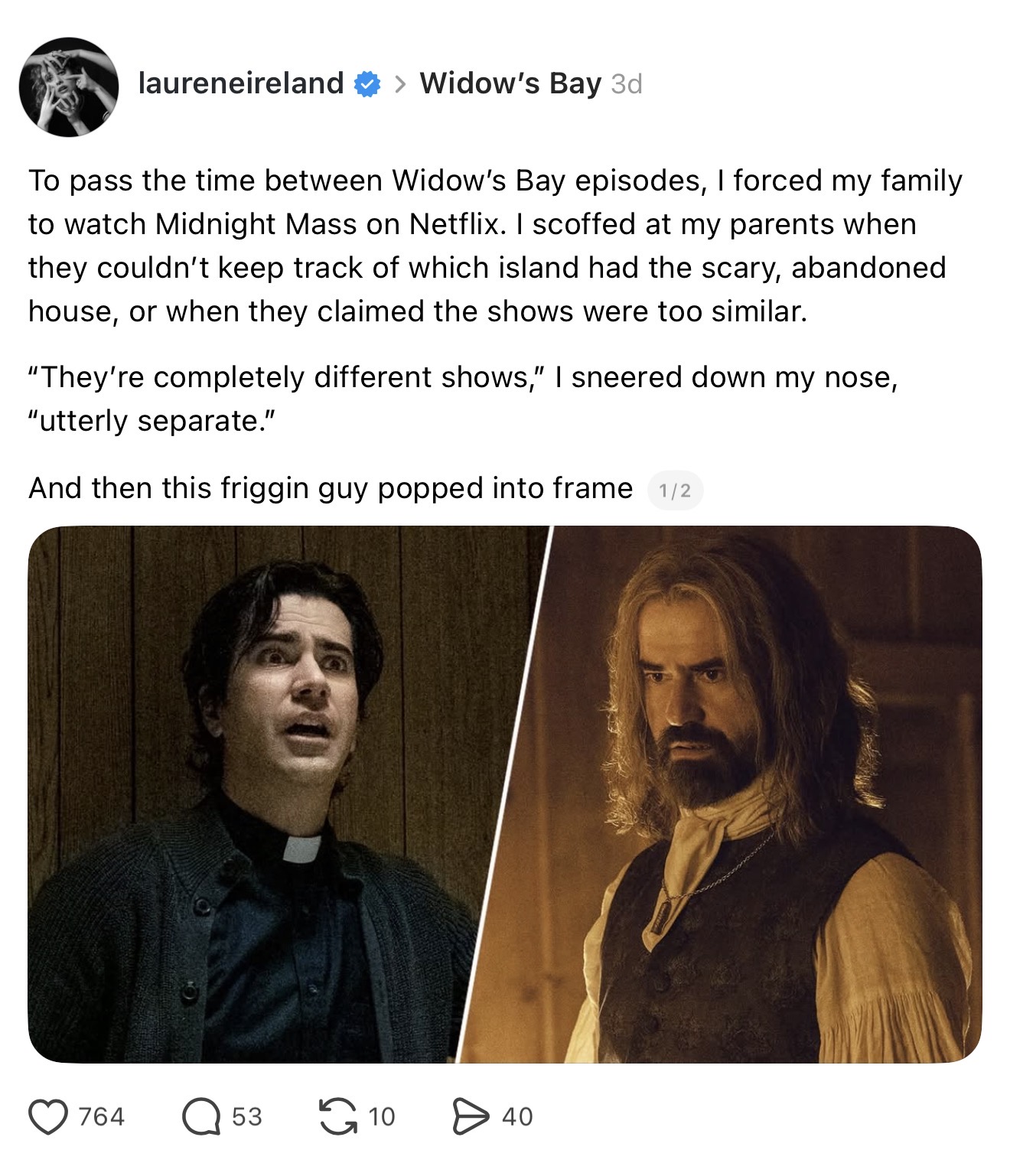
Thanks to everyone who engaged with my joke on Threads this past week about Widow’s Bay! The world may be burning, then exploding on Cape Canaveral’s old launch pads (and then burning again,) but at least we’re laughing! Maybe it’s building laughter that helps us turn things around? Maybe?!?
Without further ado…
Merriam-Webster defines ‘lurid’ as:
Lurid: adjective (lu· rid) ˈlu̇r-əd1 a: causing horror or revolution b: melodramatic, sensational2 a: wan and ghastly pale in appearance b: of any of several light or medium grayish colors ranging from yellow to orange3 shining with the red glow of fire seen through smoke or clouds
May’s Lurid Things:
(Book) A Fractal Fun House of Bloodied Ghosts: Japanese Gothic by Kylie Lee Baker
(TV) Balancing on the Knife: The Comedic Horror Widow’s Bay
(Music) Normalizing the “Madwoman”: Laufey’s New Hit
(Science) You’ve Got Me in an Eggy Daze: Exoplanet L 98-59 d and Clinging to Environmental Optimism
(Sensation): The Trouble With Borders
(Object) Doth the Cloth Maketh the Whore? The Moral Panic Behind Babydoll Dresses
(Book) A Fractal Fun House of Bloodied Ghosts: Japanese Gothic by Kylie Lee Baker

Is Lee Turner a murderer? The fractured memories he has of that night in the stairwell of his NYU dorm are pretty damning. Damning enough to flee the scene of the crime, board a plane, and join his father and his father’s girlfriend, Hina, in their new house in Chiran, Japan.
In his self-medicated, Benadryl-induced haze, Lee stumbles upon the historic oddities of his new home, namely, a closet door that opens to a brick wall at high tide, and at low, a rice-paper screen to the house’s samurai past.
Japanese Gothic is a blood-soaked, mind-twisting prism of a tale that begs the question: If all that is happening has come before, are we truly ever alone? With all our modern horrors and incessant tragedies, I found the notion a tremendous comfort.
You can purchase Japanese Gothic at Bookshop.org
(TV) Balancing on the Knife: The Comedic Horror Widow’s Bay

Widow’s Bay is quickly becoming my favorite show on television. It’s the perfect blend of humor and creep that makes the innocuous, sunny-day summer activity in a fictional New England island town heart-pounding.
Created by Katie Dippold (Parks and Recreation, Haunted Mansion), the series follows Tom Loftis, played by Matthew Rhys, the mayor (“I ran uncontested”) who just wants to yank his stodgy island hometown out of drunk, moldy (literally) bar lore into the next Martha’s Vineyard (“Fuck Martha’s Vineyard”). What ensues is a sea hag’s knife’s balance of comedy and horror, or for fans of Parks and Recreation: if Leslie Knope and Ron Swanson got drop-kicked into a horror movie.
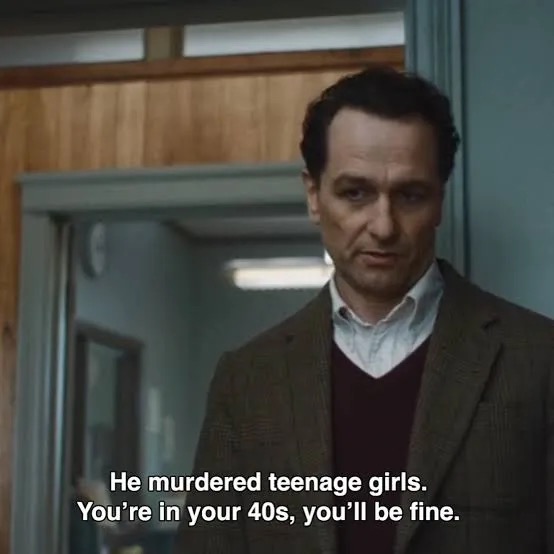
My favorite episode thus far is episode 2, “Lodging,” with one of the scariest jump scares (I feel) of the series. It also has the second-best, with Neil Casey’s character barking, “FILL OUT THE FORM.” And of course, the best board game of all time: Daddy’s Home. Second only to—
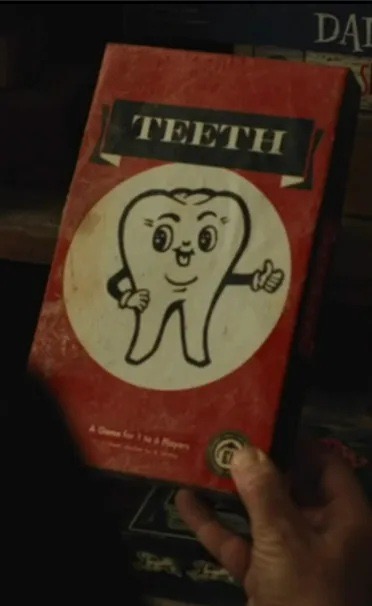
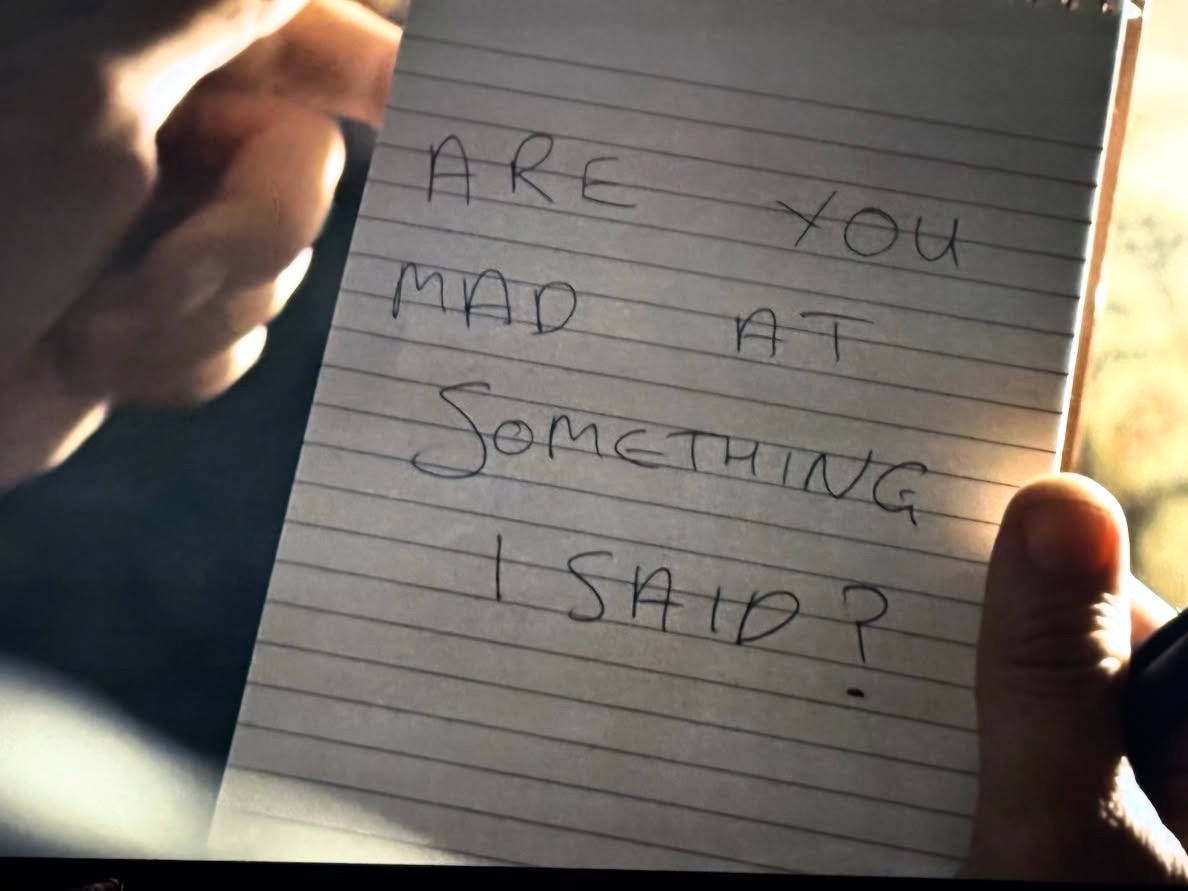
I think the success of the series lies in Dippold’s deconstruction of horror tropes, stripping each episode bare with humor and self-awareness so that we’re left with the basics: alone late at night, in the basement, tripping around in the dark and asking, “Who’s there?” when we feel a hand suddenly on our back.
Or the door opens and it’s—
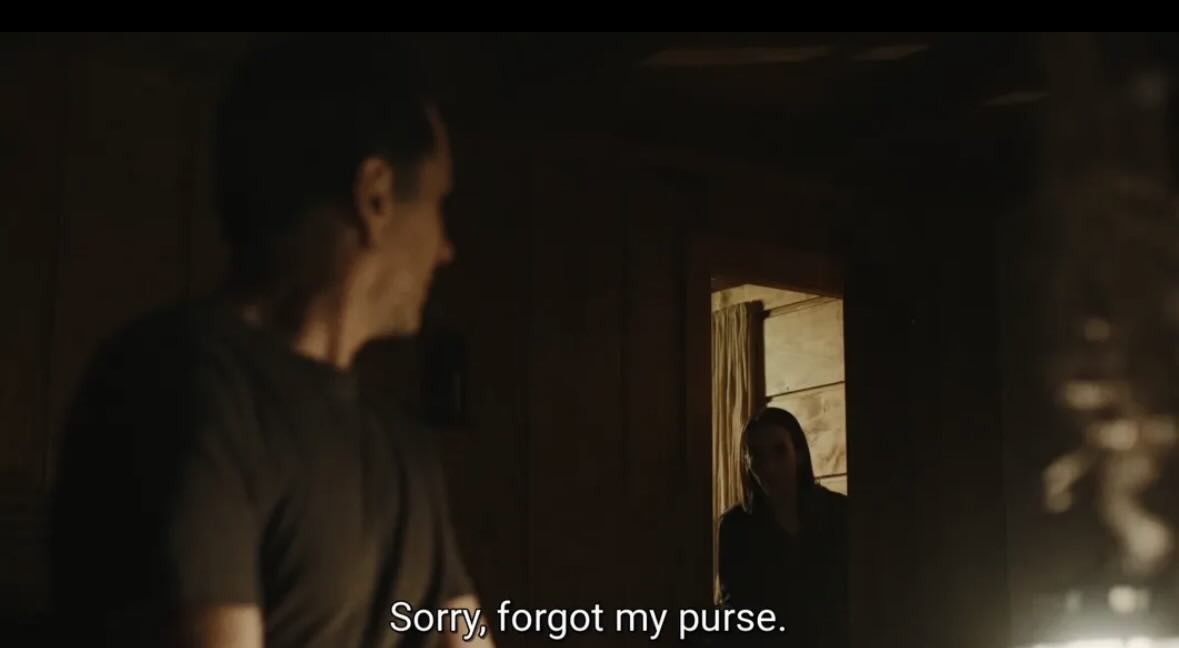
Watch the final episodes of Widow’s Bay Wednesdays until June 17th on Apple TV
(Music) Normalizing the “Madwoman”: Laufey’s New Hit
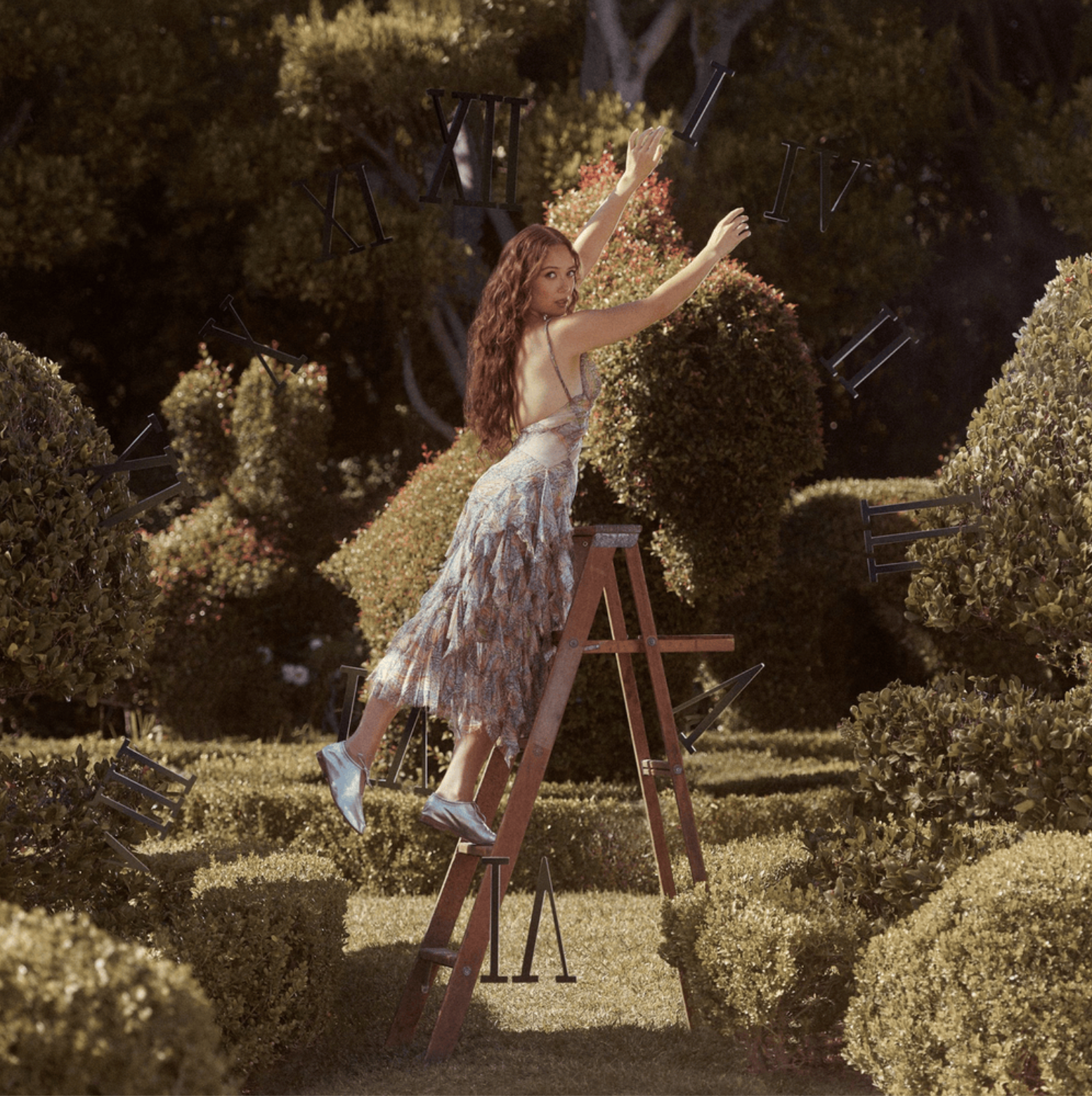
Laufey Lín Bing Jónsdóttir (Laufey) is an Icelandic-Chinese classical jazz artist. A graduate of Berklee College of Music, Laufey went on to win Best Traditional Pop Vocal Album Grammys for her 2024 album Bewitched, and again in 2026 for her album A Matter of Time: The Final Hour. It is “Madwoman” from her newest album, A Matter of Time: The Final Hour, that I wanted to cover for this month’s lurid things. Why?
Because I think she does such a damn good job of taking “sensational” states and feelings (heteronormative female experiences that are often labeled crazy, e.g., desire or anger) and transmuting them into catchy, utterly rational and understandable sonic experiences.
“Madwoman” is no different. Like most of Laufey’s music, there’s a dip and a nod to ’60s jazz, evoking a subconscious parallel to "classical” expressions of femininity, serving as a reminder that, actually, at different points in history, women were actually celebrated for having human experiences, rather than demonized, restricted, bound, or excluded from the public narrative.
In “Madwoman,” Laufey tackles unwanted desire:
Such a terrible idea, worst one I've had all this year
But I can't ignore our obvious attraction
I imagine how it ends, up in flames, we'll go againSeeking chaos, can't help giving in to passion
But there's something so vexing 'bout you
It's like the gods above us don't approveWe've been through this before, fell in and out, I said, "No more"But still I want you like a mad, mad woman
My other favorite on her new album is “Tough Luck” (also on A Matter of Time), which speaks of a ‘tortured’ lover who’s rightfully getting kicked to the curb:
Tough luck, my boy, your time is up
I’ll break it first, I've had enoughOf waiting 'til you lie and cheat
Just like you did to the actress before meOops, she doesn't even know
You won't be missed, I'm glad to see you go
Tough luck, tough, tough luck
Since we're spilling secrets
Does your mothеr even know?
You demoralized, effaced me
Just to feed your frail ego (Oh)
When you're screaming at the TVCussing out opposing football teams
You said I’d never understand
The things that make a man a man
You can watch the music video for “Madwoman” in all its ’60s throwback glory (with an Alyssa Liu cameo!) on YouTube:
You listen to Laufey’s album A Matter of Time: The Final Hour on Spotify
You can support the Laufey Foundation (Empowering Young Musicians With Exceptional Education and Instruments) here
(Science) You’ve Got Me in an Eggy Daze: Exoplanet L 98-59 d and Clinging to Environmental Optimism
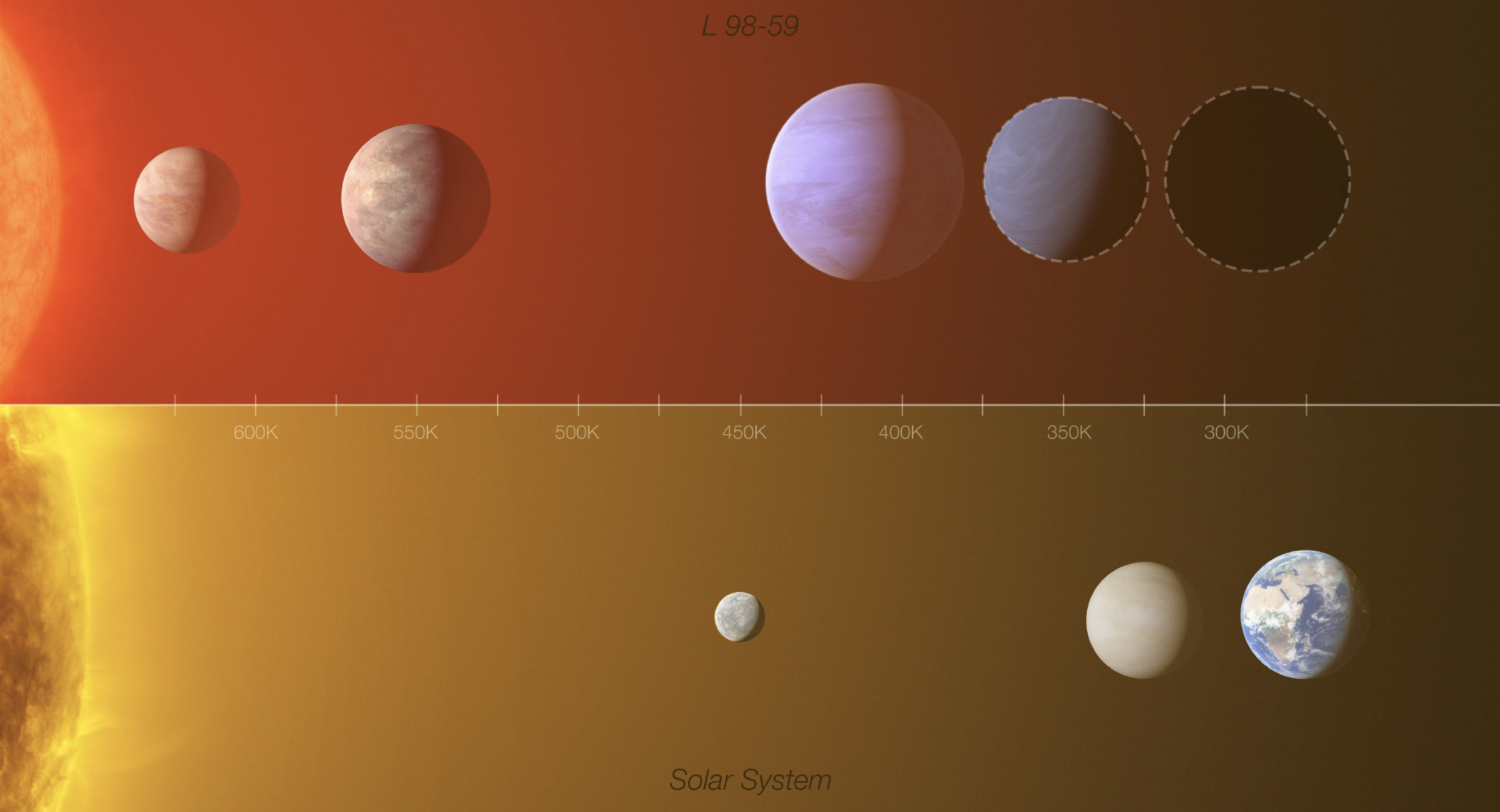
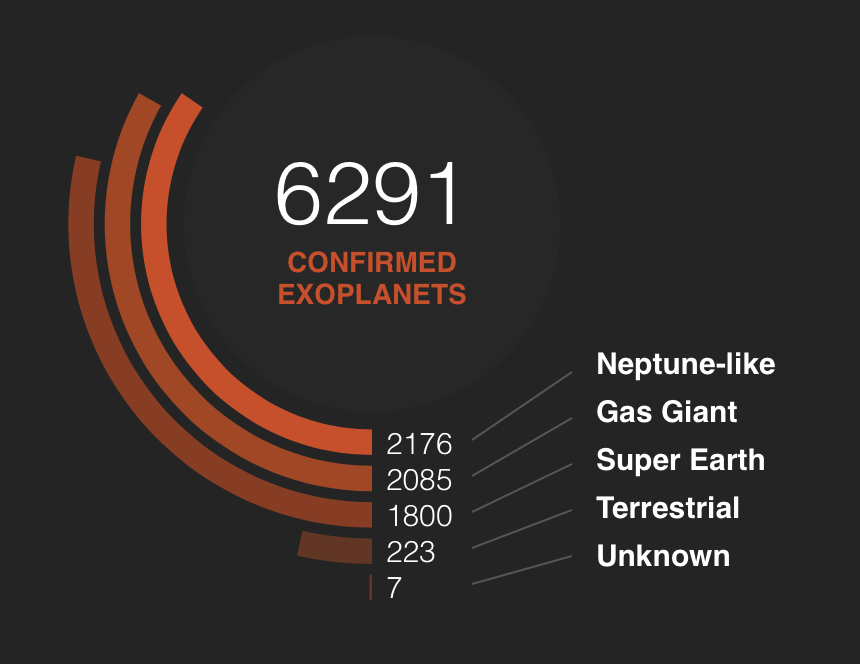
The concept of exoplanets has always lit me up like, well, a shrimp on a Christmas tree. There are hundreds of thousands of planets outside our known universe, in a multitude of chemistries, colors, and gravities, and I’m just supposed to be…chill about a planet that rains diamonds?! (The actual number of detected exoplanets, as of May 31, 2026, is much closer to 6,291.)
The first exoplanet was discovered by Adriaan van Maanen in 1917, who spotted a wobble in the particular star he was studying, later shattering the accretion disk model that had been widely accepted for the past hundred years. In layman’s terms: a star’s photosphere (visible surface) should remain unchanged unless something blocks the blinding view, like a large interstellar object, e.g., a planet. Measuring the dips in luminosity is called the transit method (tracking a planet’s radius), or transit photometry. Tracking the color changes in wobbling stars is called the radial velocity method (tracking a planet’s mass), because planets and their suns affect each other gravitationally, which in turn affects the perceived color of the star (Doppler shift). The microlensing method involves studying a star against another star in the distance; as mass bends light, so, too, does the mass of the star in the foreground, bending the light so that the star in the background appears brighter as well as any of its planets. The astrometry method is the opposite of the radial velocity method, and also the oldest of the methods, as it measures a star's stellar position in the sky, and subsequently the wobble a star’s mass has on a planet’s orbit. Lastly, the direct imaging method takes photos of exoplanets using a coronagraph, which blocks the light of a star in order to image its surroundings. There are other notable methods and verification methods that I won’t get into here, but I will say that much of exoplanet discovery now lies within a combination of various methods, technologies, and imaging instruments. (I highly recommend astronomer Chris Impey’s book for background— Worlds Without End: Exoplanets, Habitability, and the Future of Humanity.) It’s why the James Webb Space Telescope was such a huge deal: For the first time, we were able to not only image distant worlds, but also capture their atmospheric spectra. (Here’s a more in-depth overview of the James Webb Telescope on exoplanet detection from NASA.) It’s a metaphoric and literal spyglass, peering into the distance to forbidden shores, like an ancient mariner, viewing uncharted lands.
And here is where I have to stop myself, at the warning sign of uncharted territory and all its underlying implications. This frisson of unease came into my head when I started reading Scientific American’s recent article on L 98-59 d, a sulfuric Super Earth of molten proportions. K.R. Callaway reported that its discovery is sparking a new debate in the exoplanet classification system, one which exoplanet astronomers hope will “construct a classification scheme that…doesn’t just describe the universe; it tells you something new about the universe.” It gave me hope in a future of Earth-regenerative science, one that uses classification not to control or restrict, but to learn and evolve alongside. It’s something that I’ve thought a lot about in the years since I read botanist and author Robin Wall Kimmerer’s treatise on reciprocal environmental science, Braiding Sweetgrass. My hope is that when we eventually have the technology to reach these new worlds, we’ll have learned enough from the mistakes of the past and the present, and not, say, spend billions of dollars building unnecessary data centers, wiping out local wildlife and human life alike in the misguided belief that progress comes at the expense of the vulnerable.
Or who knows, maybe the avarice of those descendants will get them swallowed up in hydrogen sulfide, toast for an eggy, reciprocal breakfast.
Explore NASA’s exoplanet catalog here
Learn more about the sulfur world here and here
Learn more about Traditional Ecological Knowledge (TEK) here, here, and here
(Sensation): The Trouble With Borders

I was on a plane recently, on the way to visit family. As I stared out the oval windows, looking down at the fractured segments of brown and very little green, I thought of borders. I thought of how, as a child one summer night on the Ocean City Boardwalk, my father bent down and raised a finger aimed at a point in the distance, where the lights went abruptly dark. It was a drop-off in light, where the carnival stopped and unaltered beach began.
“That’s Delaware.”
I squinted. There was no fence or wall.
“How can you tell?” I looked up at him, swinging shoulders and arms, relishing the feeling of air. Whip, slap, whip of my hands hitting my sides and back. I saw no line where he pointed, nothing etched into the dark and sand.
But he had turned back to my brother, running wild behind us on soft-serve. My father is an engineer (and former marine biologist) and would have had an explanation had he heard me. I stared off into that dark, thinking of how arbitrary states were. A sense of unease came over me. If there were no real borders to show where a state ends, did it matter that much if there were states at all? Why, then, did we insist on having them?
I often think about this concept now when I travel on planes, when the light is bright enough (but not too much) so that I can comfortably peer down into the haphazard shapes below me. How desperate these land groupings are, I often think, groping for an order that hardly ever (if ever) aligns. And even if it does, it feels violent. A violation of quantum possibility, as if the planners thought they could fight the will of entropy, yanking us with their godlike fingers from tumbling over the edge into a faded future insignificance. I think of that with the emergence of spring weeds, too; green, lush, and greedy, spring weeds are strong in their self-assertions. It makes me wonder: What exactly are we fighting? Order against a greater, stronger, wilder plan? Why do we ban these weeds from our sterile lawns, where non-native plants have been given the ordained right to suck water sources dry? Why can’t we move in tandem with these weeds, nurture them instead of destroy, instead of rape?
On my flight, I looked down at all those houses and those square plots of dead, dull, brown land and saw only end, not great might. I wondered, what shades of green would this land shimmer with if we gave as much as we took? How black and rich would the waters look like from above? There was a video that went viral this past week of two women swimming in the Amazon, shocked to swim in waters that were black. It would be shocking to be confronted with the tea-stained truth after a lifetime of being taught all technological progress comes at some expense. To run your hands through tannin-rich water that soften your palms, and understand that what we see outside our homes is not normal, and not morally superior, either.
On my flight back, as if my earlier musings had been heard, we flew straight through a huge, humbling might: a large storm that would come to linger for six rainy days. The water out my window ran sideways, sharp and angled like bullets from a gun. I found myself grinning, despite the great pain that thunders always bring me, to be reminded of my own fleeting insignificance. It never lasts, though, neither will I. Even the concrete one day will crack, and things will go back to the way they were, or maybe something different, but similar to what came before.
(Object) Doth the Cloth Maketh the Whore? The Moral Panic Behind Babydoll Dresses

The internet exploded some weeks ago into a debate over Olivia Rodrigo’s recent penchant for wearing babydoll dresses. One section of the internet rushed in to justify her choices, some explaining the history of the garment:
“The babydoll dress is hardly new, and Rodrigo isn’t the only music or fashion star to adopt it for its charm. Originally created in 1942 in the United States during World War II—as a response to fabric shortages—the silhouette gained traction in the late ’50s and ’60s among stars like Brigitte Bardot, Twiggy, and Jane Birkin…Even Cristóbal Balenciaga created a high-fashion lineup of babydoll dresses in 1958.
The dress continued to prosper in the ’90s, popping up on the likes of Courtney Love and Kim Gordon. It’s grunge icons like them who inspire Rodrigo today.”
-Elle Magazine, May 2026
(For more background, Vintage Katie on Substack did a great rundown.)
Others rushed in to say that she’s sexualizing herself, or worse, playing into pedophilia:
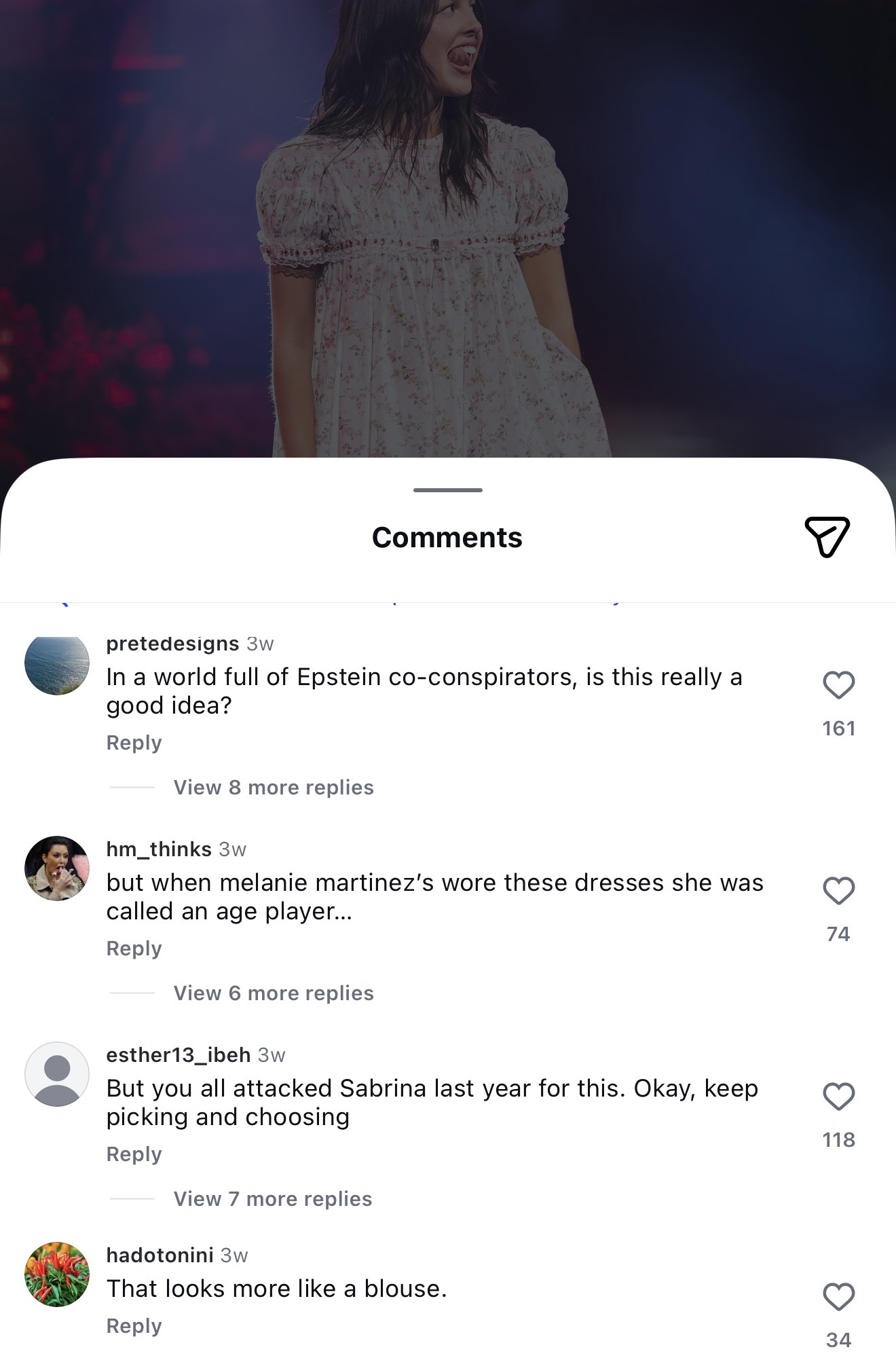
It was the same thing all over Threads and this particular Deuxmoi post: Should a woman’s choice of dress be centered around the male gaze?
Olivia Rodrigo was able to speak about the matter in the recent New York Times Popcast, saying how she’d worn far less onstage in the years prior, and how surprising it was to find out that wearing a dress that’s deemed childlike meant she was pandering to pedophilia.
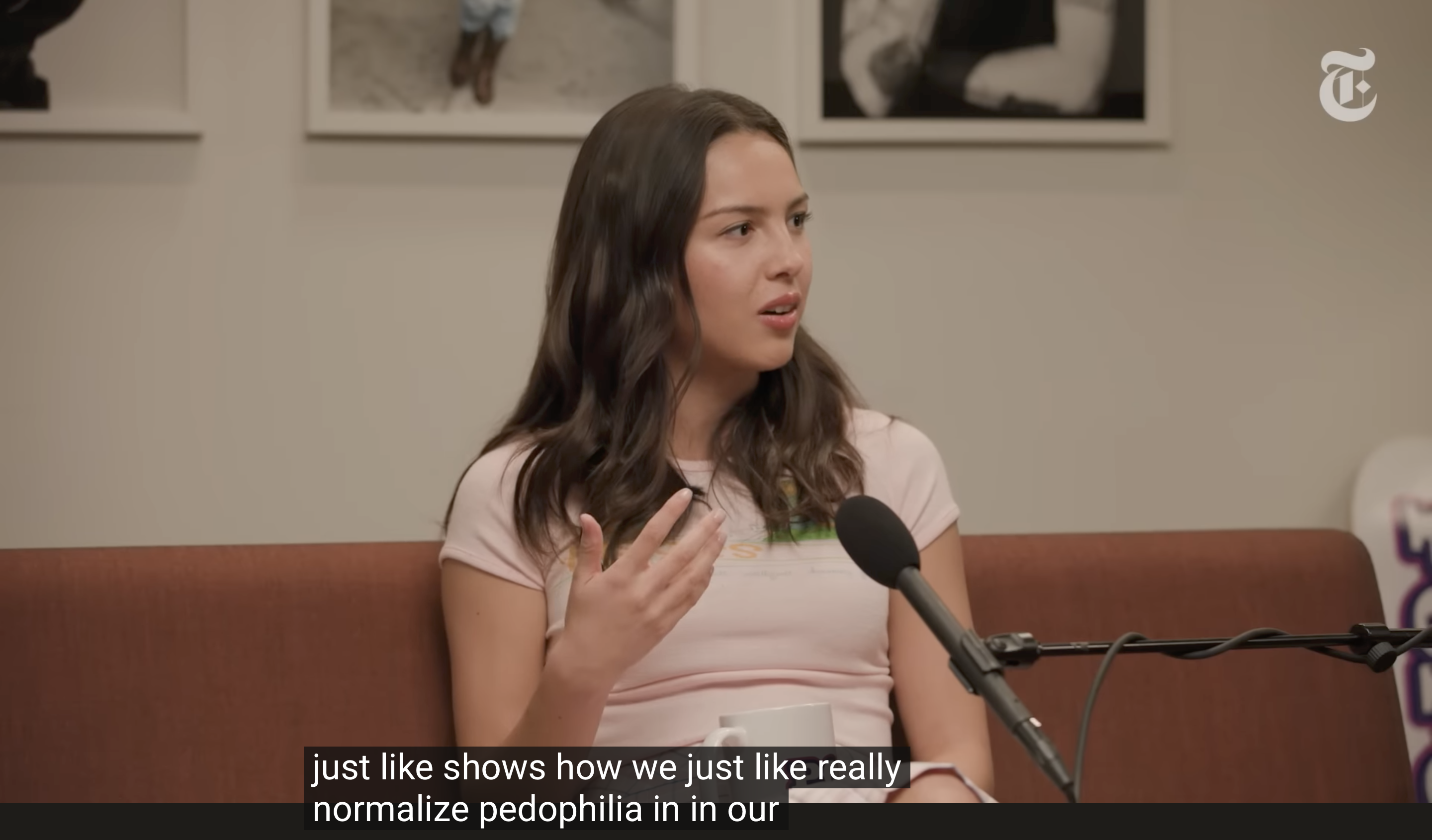
Rodrigo went on to say how she never wants young women to think the way men sexualize them is their fault—an argument in favor of decentralizing men. I paused the YouTube video shortly after (I’m a fan but I can only handle so many minutes of an interview) and stared at the screen, blinking several times in millennial. People were really clutching their pearls about this so much so that Rodrigo had to speak out?! I shared the same sense of indignant disbelief that Rodrigo had at the start of this interview segment. I remembered the Riot Grrrls, Courtney Love and her dresses. It made me wonder: Has modern feminism devolved so much that we’ve become stuck in this Gen Z, Gen Alpha literalism, where a dress can’t contain the multitudes of a symbol, or where intent must be watered and stripped and then watered down again to a single, simplistic explanation? I let my forehead thud onto my laptop keys, realizing that I hadn’t streamlined my entire life into an aesthetic.
But I remember the third (?) wave of babydoll dresses, before I trusted my iPhone lens to take legitimate photos. I came to find them the way most art students did in the Indie Sleaze era: thrifting, because everything else was too expensive. I came to find that wearing a babydoll dress was an excuse to wear bike shorts and an opportunity to do my impression of the twins from The Shining in public…so multiple wins all around in my book. In the vein of Olivia Rodrigo’s video, there was nothing inherently sexual in her decision (or mine) to wear a babydoll dress. It’s fun to cosplay in clothes from another era, and play around with a different fashion look. Unless a garment is tied to a dark history, I think that maybe we should…mind our own business? Enough of women’s bodies are still hoisted up into the marketplace of public male discussion (like Mark Zuckerberg’s book and threads of faces), analyzed, and prodded, and when the topic has been beaten to a pulp, the woman and her body are pushed off the edge into the bin of worthless.
Context, out of this context, is always important. Context in this context, however, is another thing entirely: a double-edged weapon to drag women of all identities and races, kicking and screaming, back into the line of patriarchy. Even the discussion of tradwife influencers managed to swirl and then get sucked down the drain of classiqué heteronormative values. Babydoll dresses are no different. We shouldn’t have to interrogate the intention of a woman’s fashion choice, we should be living in a society where it shouldn’t matter.
I remember when I was younger, rapidly approaching my societal age of retirement (27), and my boyfriend at the time asked me if I was wearing makeup for him. It was a sweet question, one that I laughed rudely in his face for, because no, sorry! I just happen to like makeup the way I like painting watercolors on heavyweight paper. Makeup is art, no different from photography or sculpture or haircutting or performance or dance, and if I’m wearing it and wearing it well, it has nothing to do with you, unfortunately: It’s for myself. So I explained (more briefly than this). A week or so passed, and the question shifted to my clothes. Then it quickly turned to why I felt the need to bathe sometimes twice a day, clean my apartment, decorate my apartment, eat so many vegetables and fruits, on and on until the questions started to wear me down into questioning myself and my choices and wondering if maybe I was wearing makeup and fashion and hygiene and art like a mask, carefully curated and packaged and set out for the male gaze, for male approval, for him or the someone male else that he suspected me of also pandering to. That maybe I was this silly, stupid thing that he said I was that just wanted attention, and soon (as you’re probably predicting), it turned into how selfish and untrusting I was for not sharing my bank account PIN with him (he was unemployed, but wiser than me), how crazy I was for getting angry at his active OkCupid account (he had asked me for monogamy), and how abusive and controlling I was for not wanting to watch movies containing suicide or hangings (as it had been two years since my best friend had passed in that manner). I became quivering and bowed, flinching for a while after that relationship ended and defensive of things that I’d never given a second thought to before. It had all started with an innocent-enough-sounding question, but it was the different framework of where that question existed and aimed that revealed its insidiousness. It took me years afterward to understand that that brief interlude in my life couldn’t have been avoided or altered in any way by my actions. (Sadly, it hadn’t been the first, or the worst.) The only thing I could have done was what I’d done: walked away, then dusted myself off later when I was safer and on higher, more stable ground.
I’d learned a lesson the hard way that there is no working alongside a framework that’s hell-bent to cull and then obliterate. There is no reasoning with the unreasonable. And there was no imagining an alternate perspective that I liked the things I liked and did the things I did just because, with no consideration for the male gaze whatsoever. Perhaps the same logic should be applied to Olivia Rodrigo and her dresses, like she had insisted upon in her interview, so that the greater conversation is not why Rodrigo wearing babydoll dresses is harmful, but instead why society is still supporting pedophilloic content. Why are algorithms spreading certain types of misogyny and violence, and who are the men that have created these places of public access for us to bicker on? Why do we think they matter? Why are they in charge? How do we, whether or not we intend to, help them stay in charge?
I bought a babydoll dress and the makeup to match. Who cares? But I know the world sees things in a different light than I do, so I’ll give you my personal explanation, if you care to listen: It’s going to be a scorcher of a summer, and I’d rather not have heatstroke while I go about my life, minding my own business, and also, it’s pretty. (It’s so pretty.) If I happen to garner a few stares, I’ve got this really wonderful impression that the years have helped me to hone…

Maybe it’ll make them stop and think.
That’s it for now!
If you need me, I’ll be in the Hoh Rain Forest,
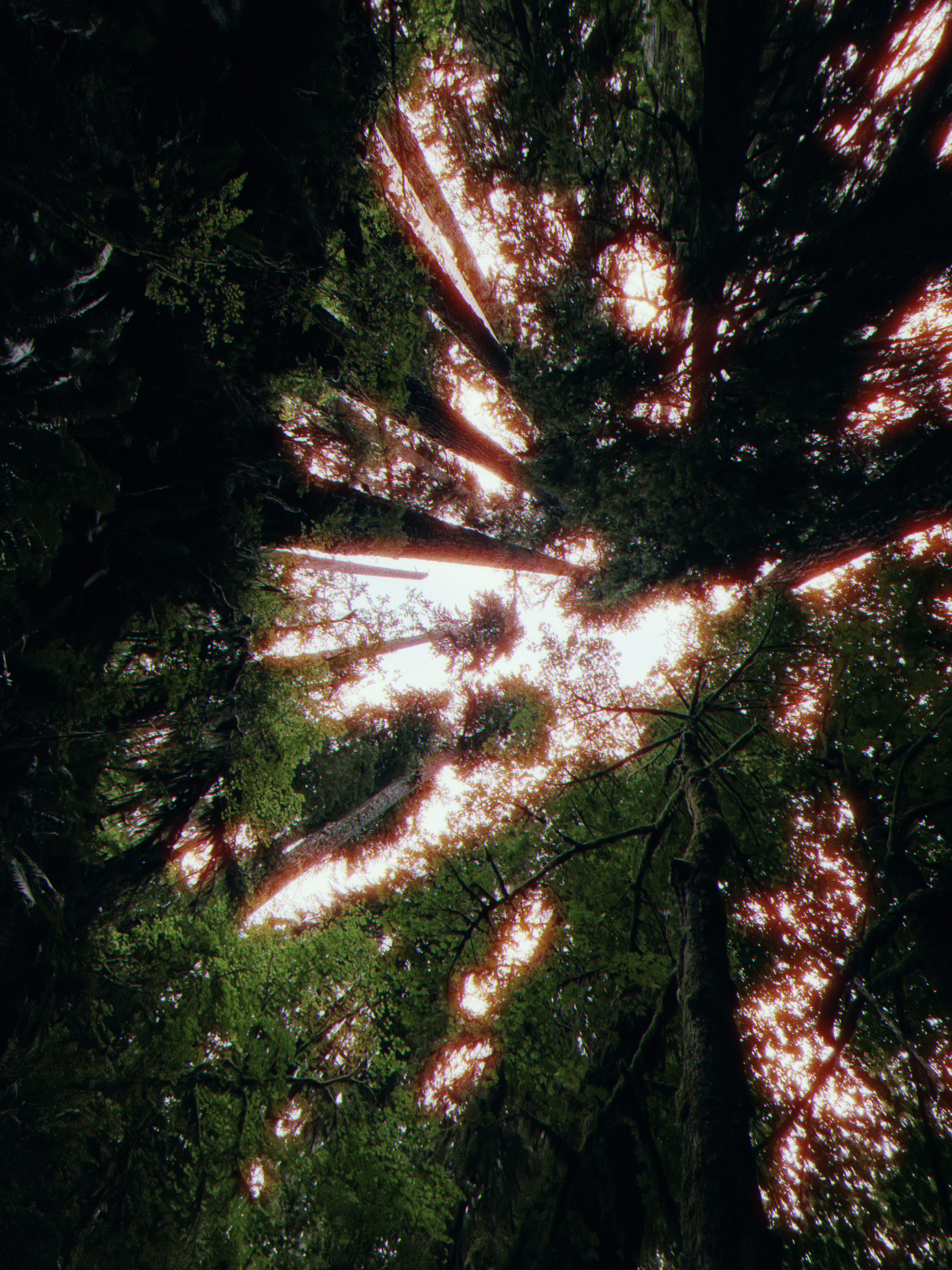
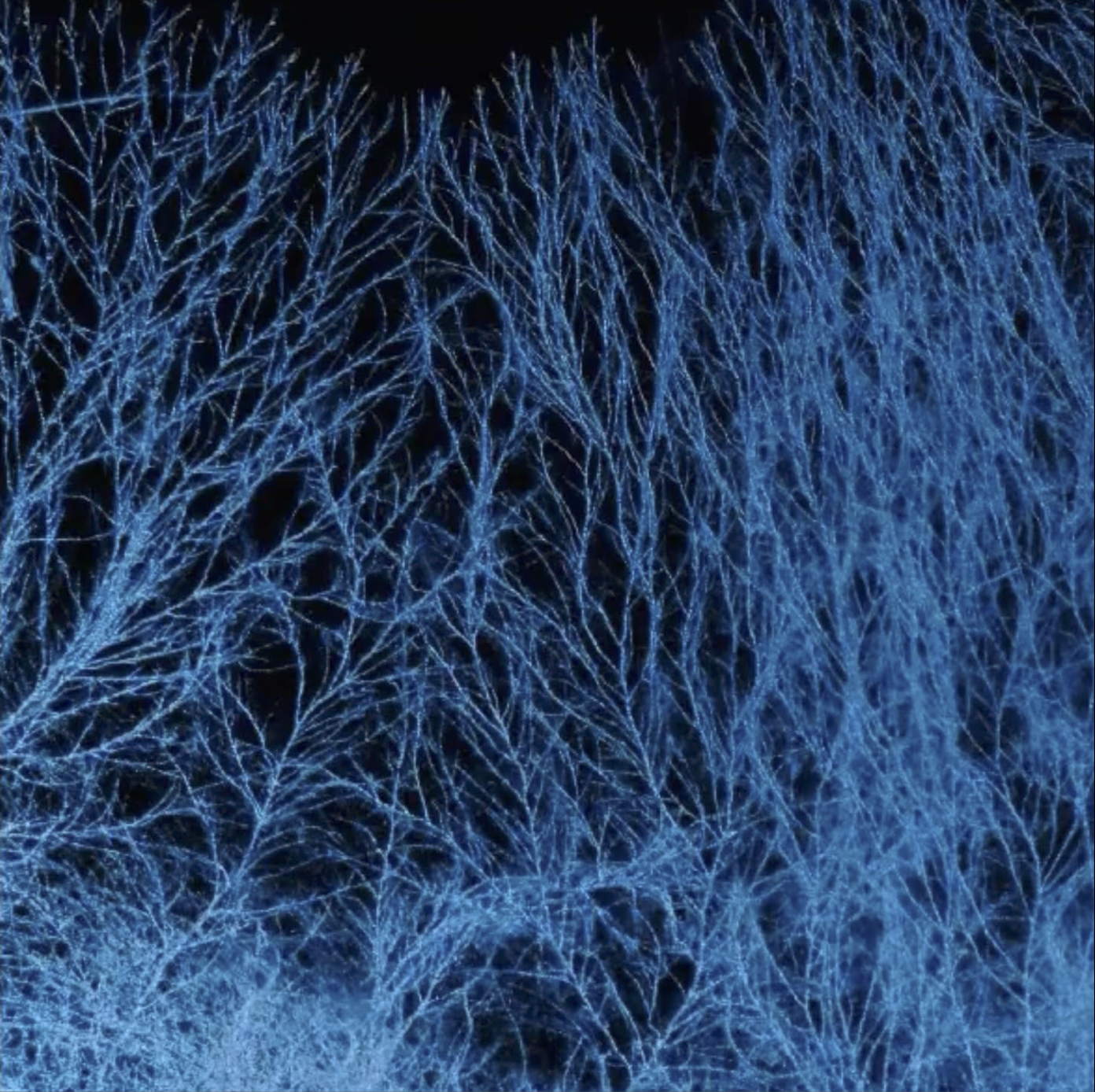
shrinking and squeezing and squatting until I’m down deep in the dirt, one with the fungal hyphae of the Olympic micorrhizal network,
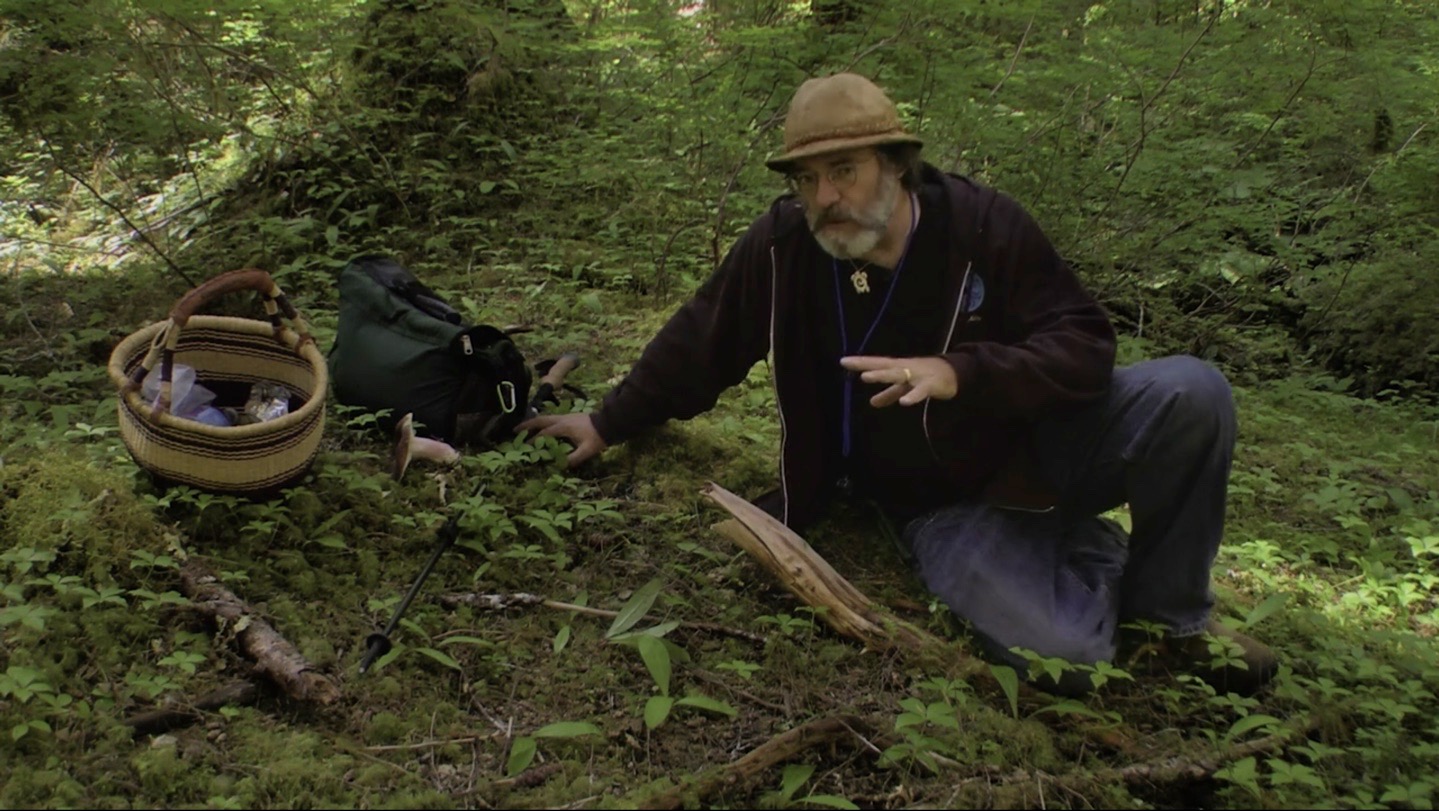
thinking about the varied types of information transfer, like how I purchased the same baskets as Paul Stamets had right before I watched his documentary:
Until next month, lurid freaks!
XOXO Lauren