Lauren's December 2025 Lurid Things...
7 Lurid Things Just in Time for the End of December 2025

Hello!
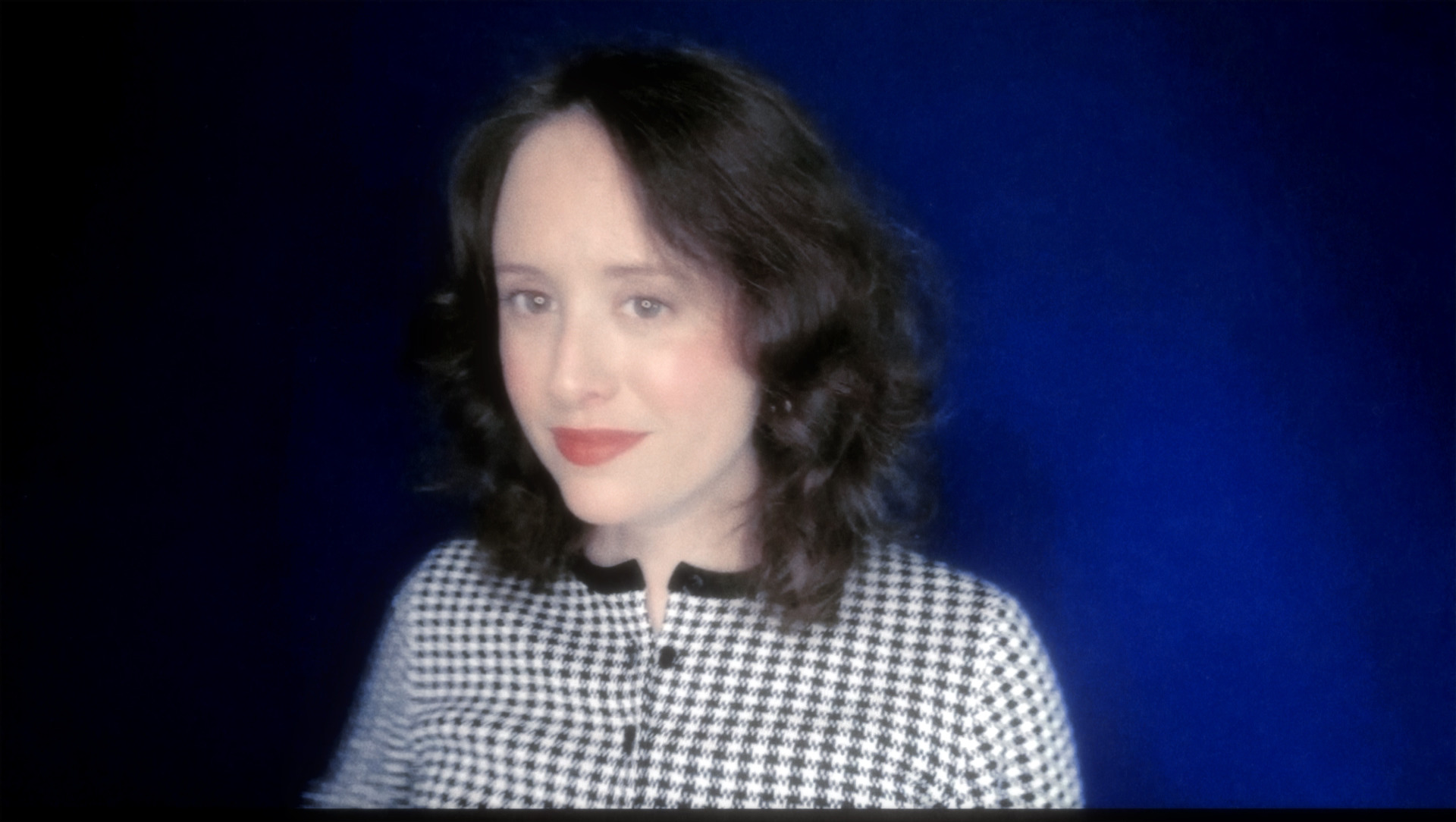
My name is Lauren Ireland, and I write about the shocking, the ephemeral, and the quietly profane. You might know me from back in the day on Funny or Die, College Humor, Above Average, Huffington Post, Flama, and Elite Daily, or from any of the films and commercials I acted in or directed, or—you get the picture.
Welcome! In the past year I found myself in the darker hours of the night lurking around Substack and thinking, well, doesn’t this seem like a load of fun…
As I prowled about, reading about art, the state of the world, science, technology and the minutiae of our varied modern cultures, the word ‘lurid’ kept coming back to me. Miriam-Webster defines ‘Lurid’ as:
Lurid: adjective (lu· rid) ˈlu̇r-əd
1 a: causing horror or revulsion
b: melodramatic, sensational
2 a: wan and ghastly pale in appearance
b: of any of several light or medium grayish colors ranging from yellow to orange
3 shining with the red glow of fire seen through smoke or clouds
It’s an adjective that grabs fistfuls of your collar and shakes you until you realize your attention has just been grabbed, whether or not you intended it to be, and now you’re in the grip of its force.
So, each month I’ll give you my seven favorite lurid things!
Roughly, in no particular order, they’ll comprise of:
- a thing
- a movie/ tv show / video
- a piece of music
- a piece of art
- a book
- a science
- a sensation
Shall we? I know I’ve been dying to…
This month’s Lauren’s Lurid Things is inspired by the rude jaggedness of winter branches. Who hasn’t looked at a naked tree and thought, That’s what’s there underneath?!
I’ve found myself wandering on my forced afternoon walks and staring at the dead crabapple trees, agog, like they’ll pick up their roots peeping through the mulch and shuffle towards me, scratching and piercing as they touch. I find that, ultimately, I’m comforted by that thought, and by their scraggly branches; they, too, will make it through the dark. They do it every year, after all.
Lauren’s Lurid December 2025 Things:
1. (Object) The Manufactured Costumes of Guillermo Del Toro’s Antagonist in Frankenstein
2. (Music) The Subversion of Haute & Freddy’s “Anti-Superstar”
3. (Art) The Dark Fantasy Art of Abigail Larson
4. (Sensation) Shrimp! …On a Tree?
5. (Movie) The Blooming Takeaway of Bugonia
6. (Book) The Unexpected Possession of Alba Díaz
7. (Science) Are We Experiencing the Horror of the Unnecessary? AI Data Centers, Rare Cancers, and What Are We to Do
Without further ado…
The Manufactured Costumes of Guillermo Del Toro’s Antagonists in Frankenstein
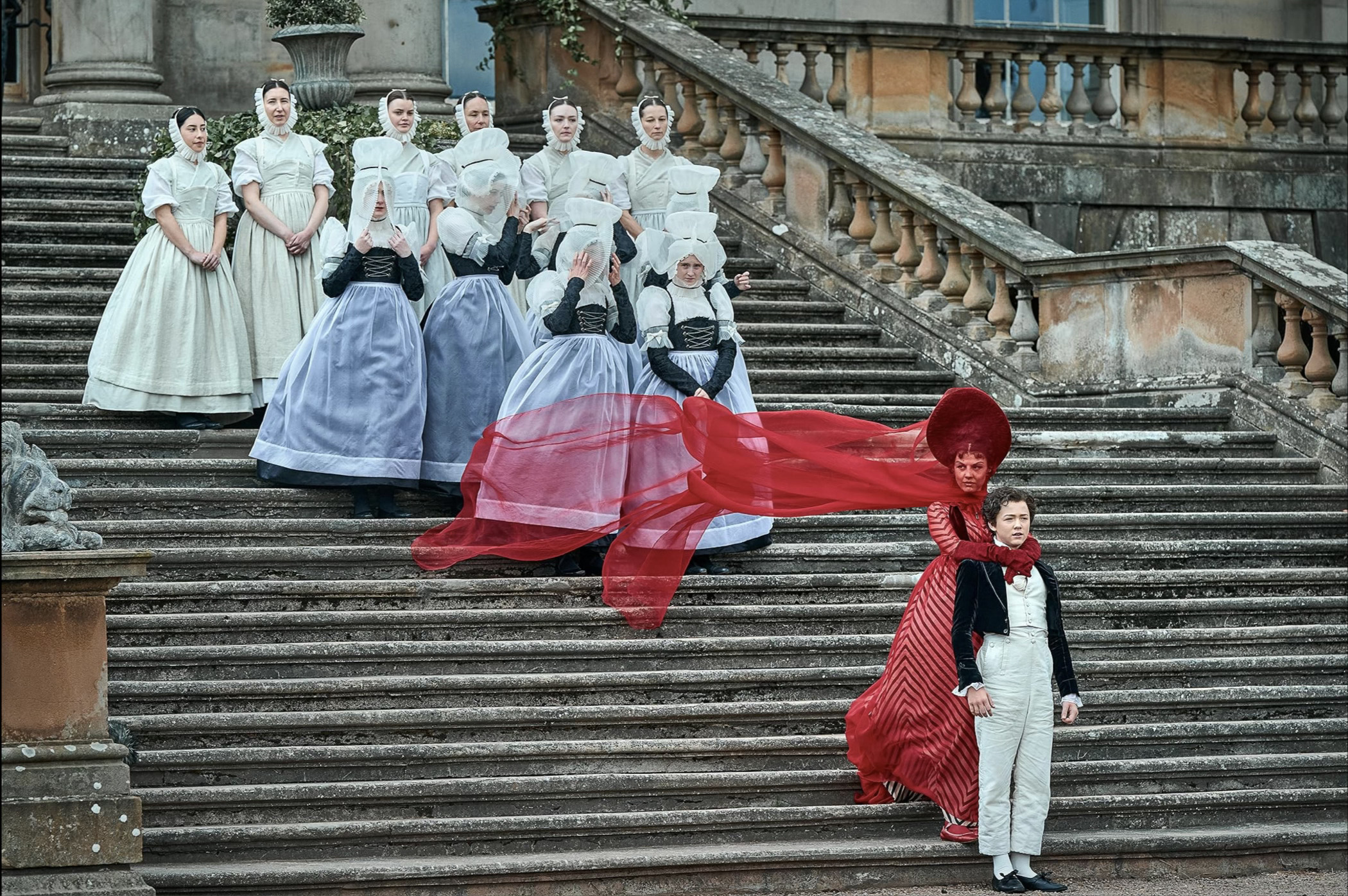
Much has been said of late on Mia Goth’s nature-inspired costumes (you can watch jewelry historian Marion Fasel’s fascinating interview with Kate Hawley at the 92 Street Y),
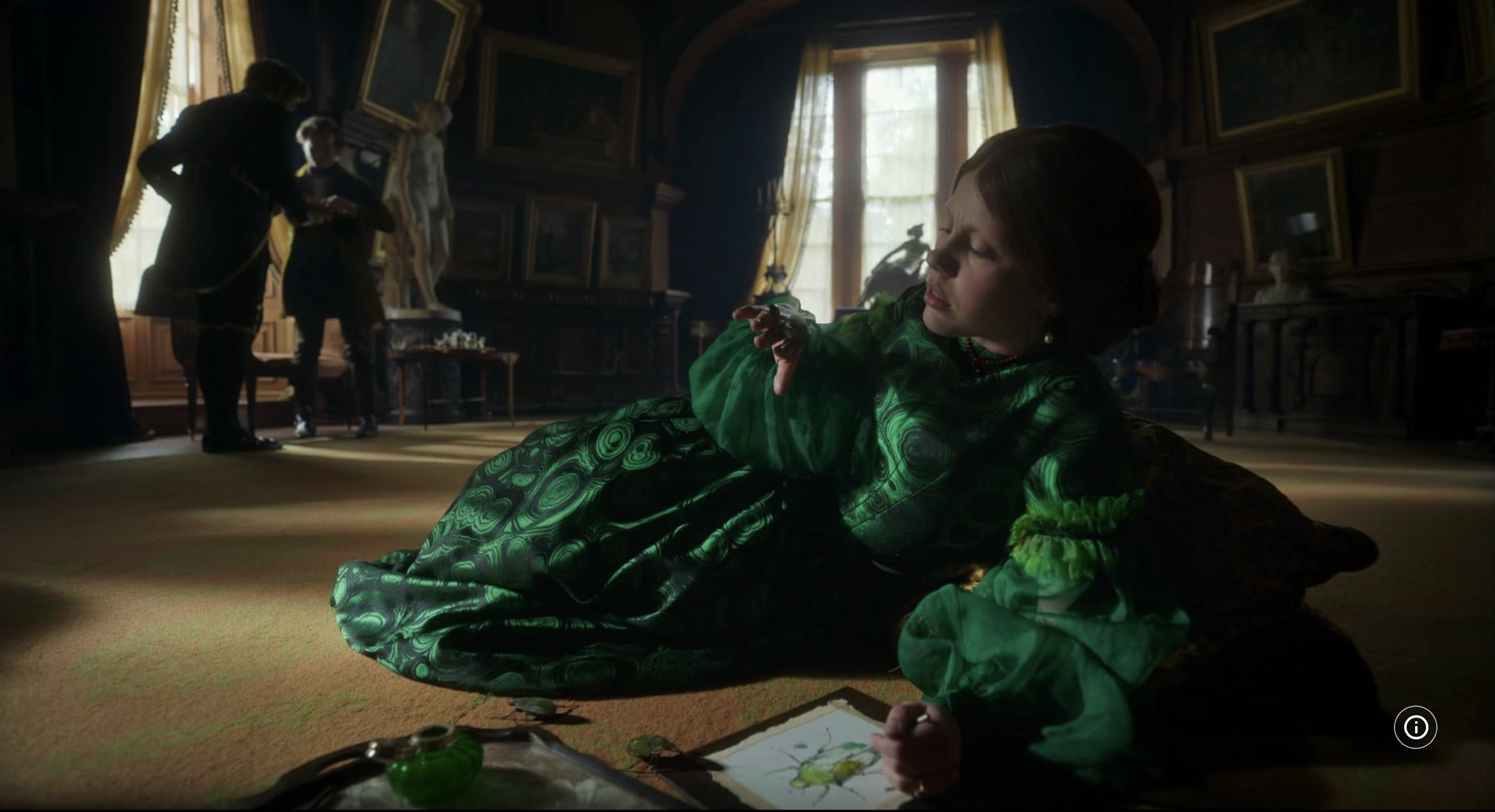
and although I find this focus on the female form in the storytelling absolutely essential to Del Toro’s overall message1 (even the male victims/ innocent bystanders throughout the film have a level of tidy, organic, and lyrical polish to their costumes),
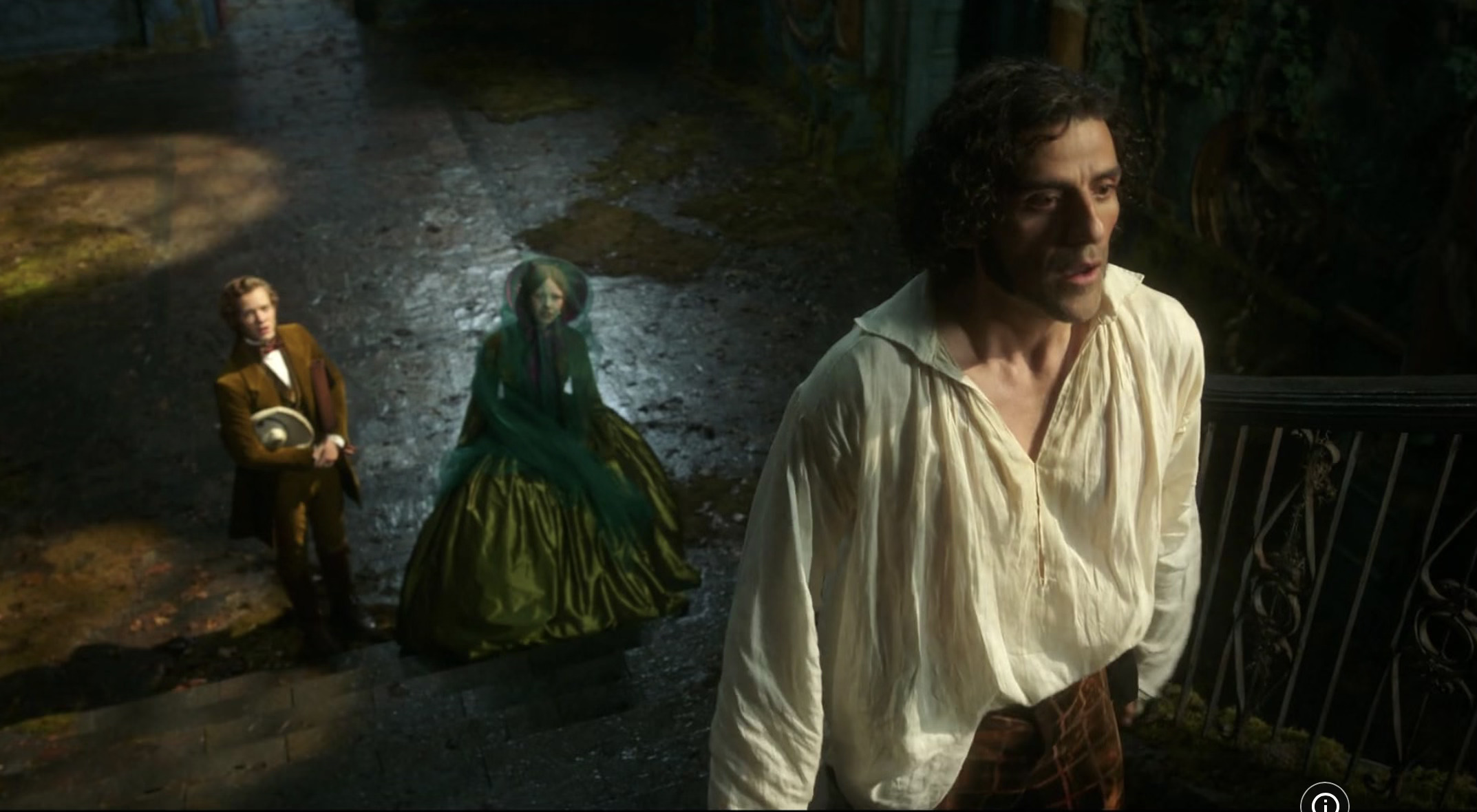
I was more so struck by what costume designer Kate Hawley designed for the antagonist2 of the film, i.e., the man who held the damning reins of control.
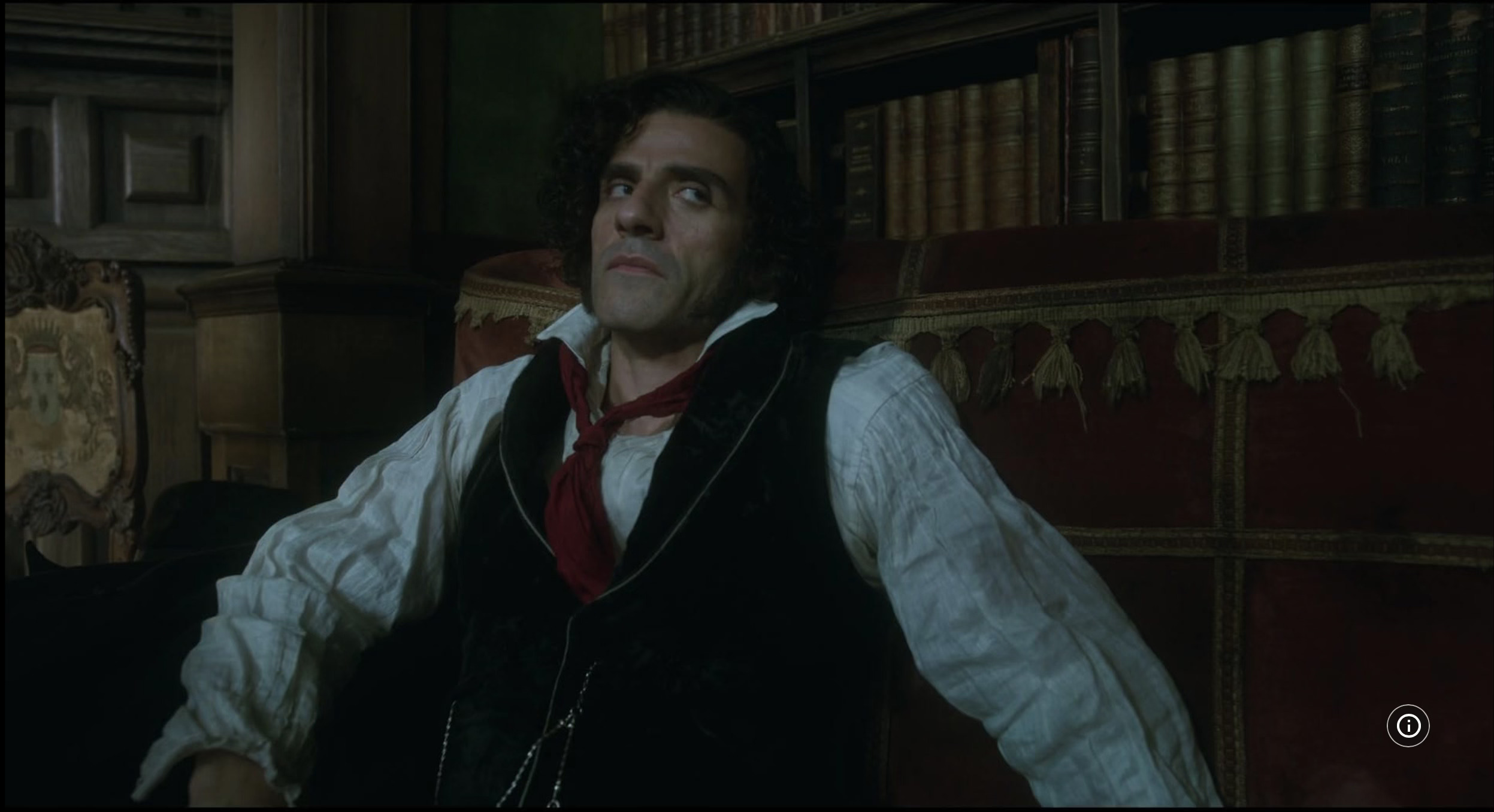
As Victor abandons his humanity, his costume becomes devoid of color, becoming binary in white and black,
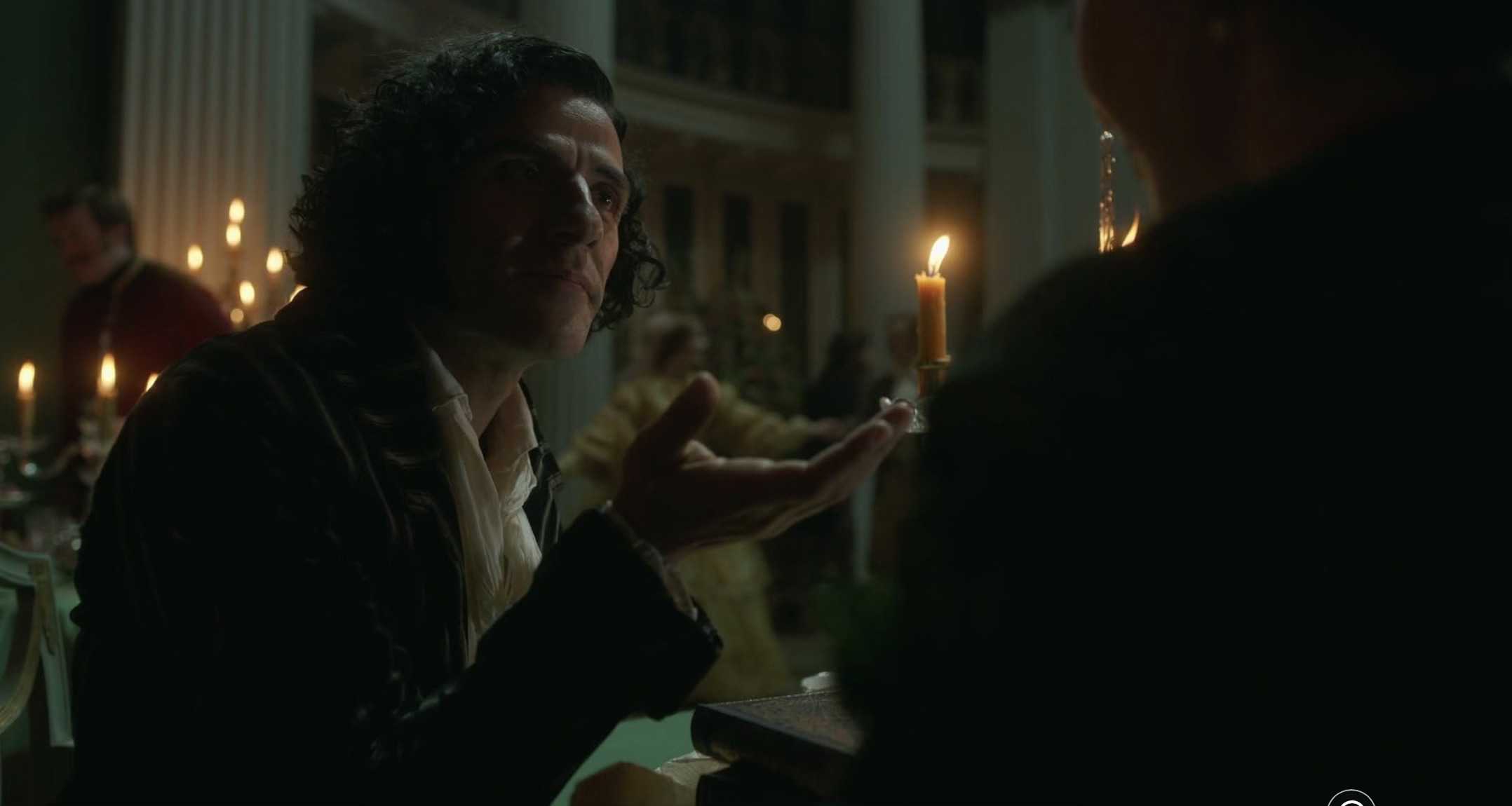
(which is a lot like his father’s wardrobe in the beginning, which, one could argue, is reflective of his inflexible and cruel patriarchal capitalism)
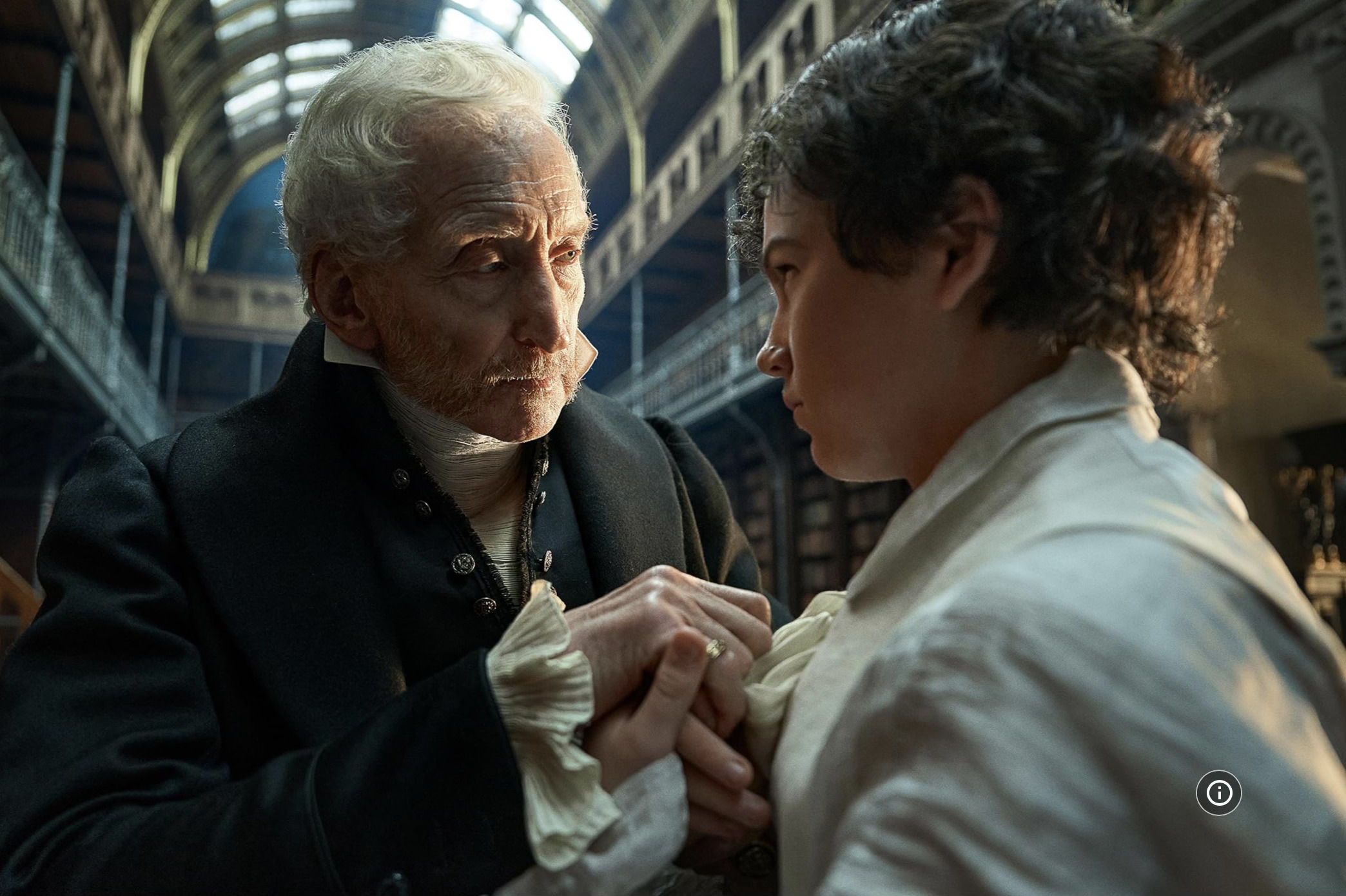
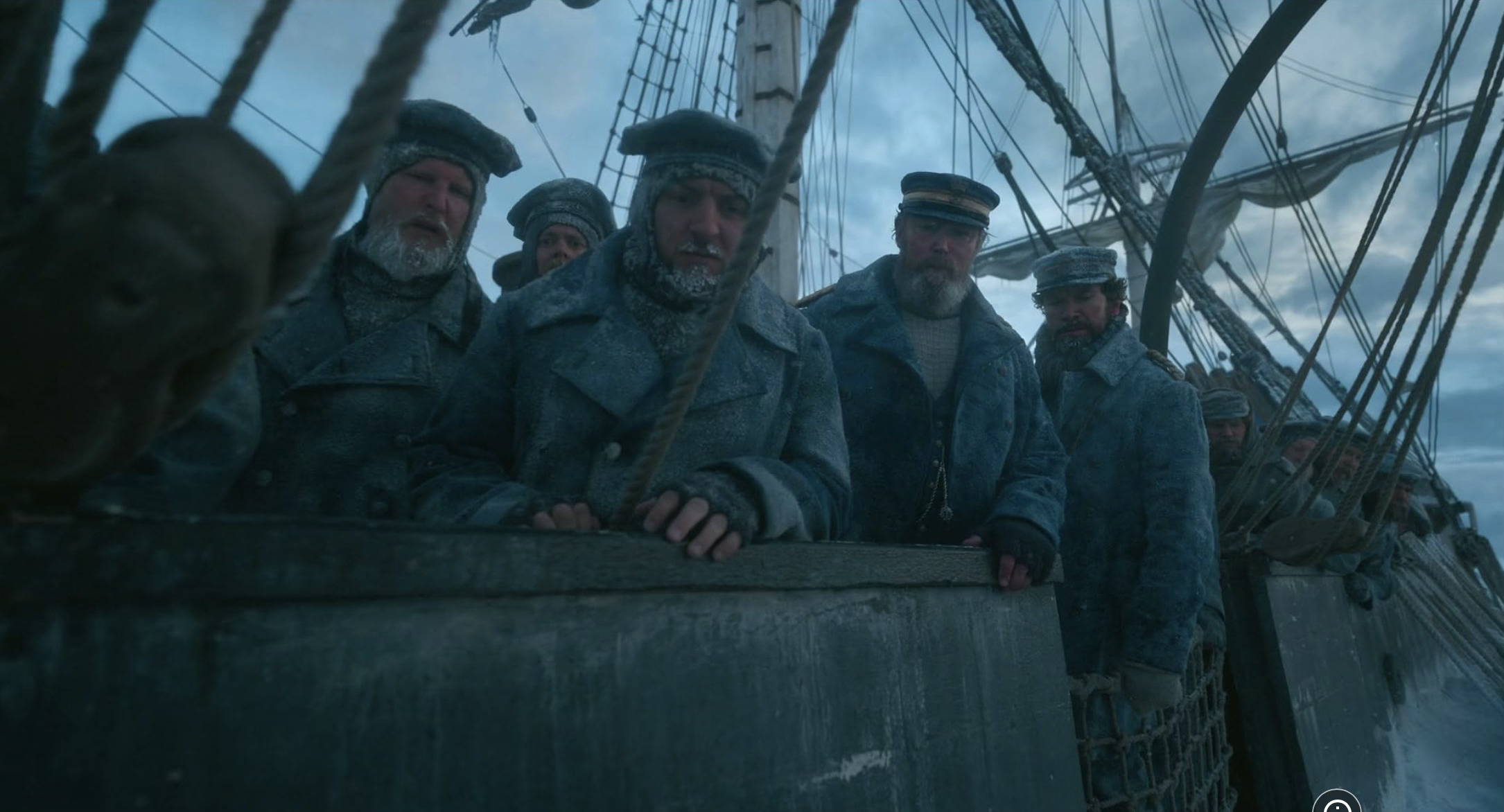
until finally his creation hunts him, injures him to the point of releasing organic color (blood, common to all living creatures regardless of status and gender),
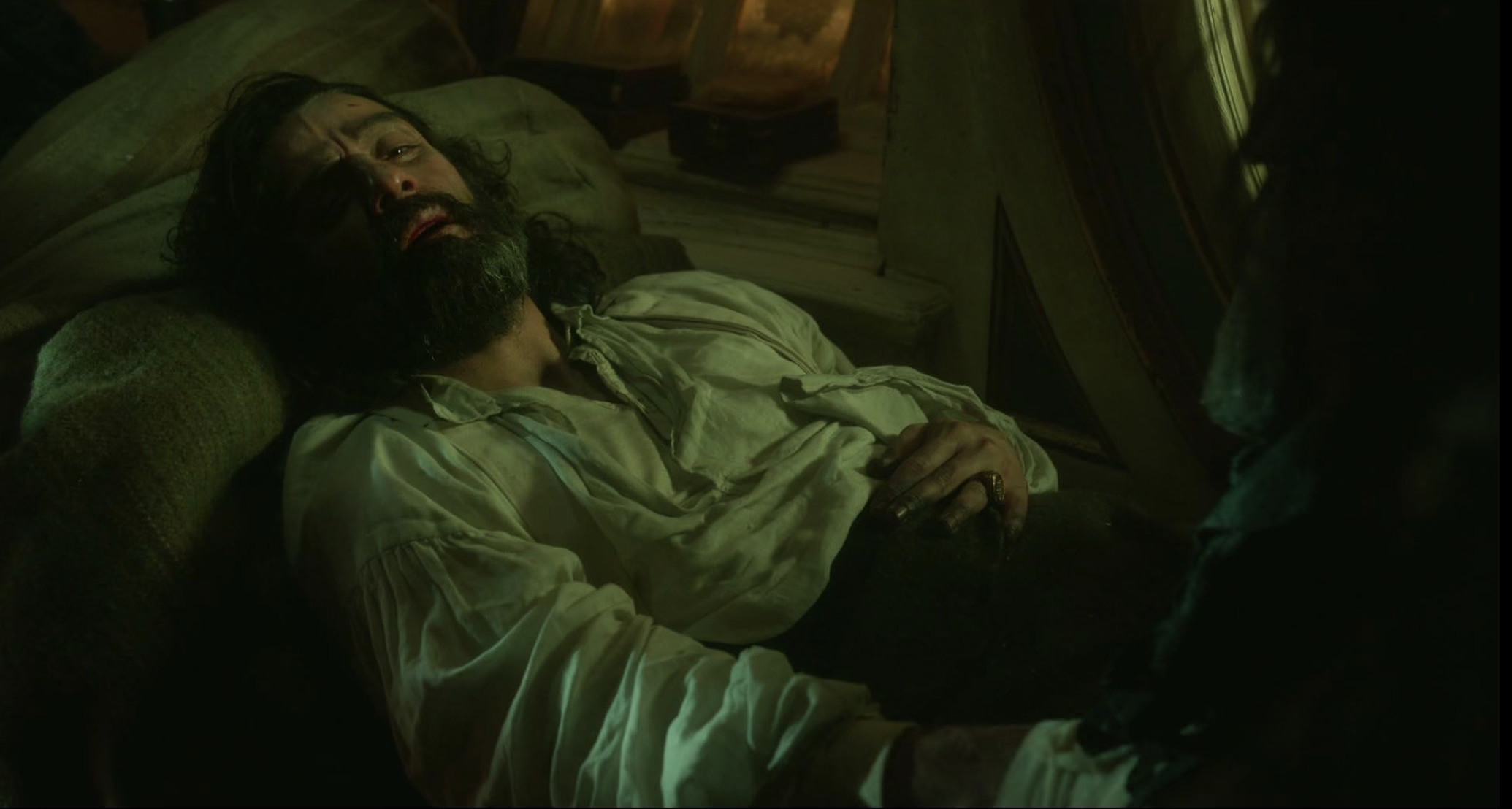
and forces him to face his very human helplessness before the raw fury of nature, creation, and what it means to abandon that which is so innate to every human being: a beating human heart.
I loved the movement her costumes gave— even Victor’s billowy blouses spoke to a harried mind, too focused on what’s before him to tuck in his shirt and contemplate the long-term repercussions of his actions. Later, when he’s begun to understand the depths of his child-like mentality (ew the glasses of milk!), Victor is dressed in the same wild and undefined fur coat of his creation as we watch him mush desperately across the North Pole.
Kate Hawley’s costume design is one of the key threads needed for visual storytelling (think narrative enhancement, character development, symbolism, etc.), and the ways in which I’ve kicked myself for not being physically in London for the Selfridges “Frankenstein: Crafting A Tale External” exhibit are quite a few!
For a historical perspective on Hawley’s costuming choices, check out Costume and Fashion: A Concise History
You can watch Guillermo Del Toro’s Frankenstein on Netflix
You can watch my other Del Toro and Hawley favorite, Crimson Peak, on Amazon
Follow Kate Hawley and her studio on Instagram
The Subversion of Haute & Freddy’s “Anti-Superstar”
Michelle Buzz and Lance Shipp know how to wrap an audience around their finger. As they should, considering the pair were songwriters for such mega pop stars as Britney Spears, Calvin Harris, Katy Perry, Kylie Minogue, and Bebe Rexha.
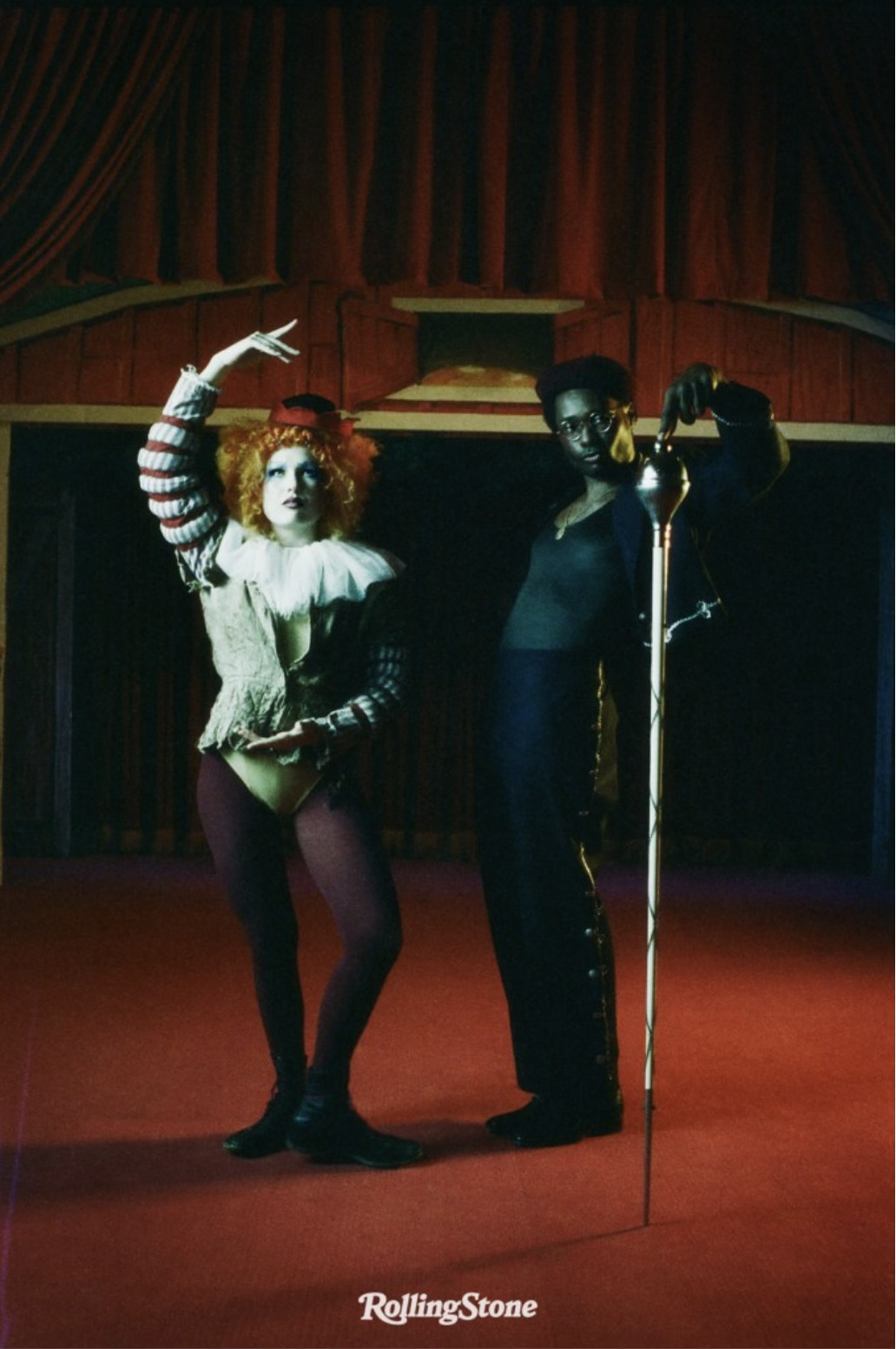
In their April 2025 Rolling Stone interview, Shipp explains their break into performing:
“I was very much at a low point, wondering, ‘Is music still for me? Is songwriting the thing? My soul isn’t feeling fed anymore because I don’t get to play while making it,’” explains Buzz. “We’ve been these kooky people pretending to be like, ‘Hello. I am normal,’ and it’s not true and it’s not working.”
Buzz and Shipp began experimenting together, and eventually, voilà: Haute & Freddy.
Spotify Wrapped claimed I listened to their second single a total of—

55 Times. Plus five more while writing this essay.
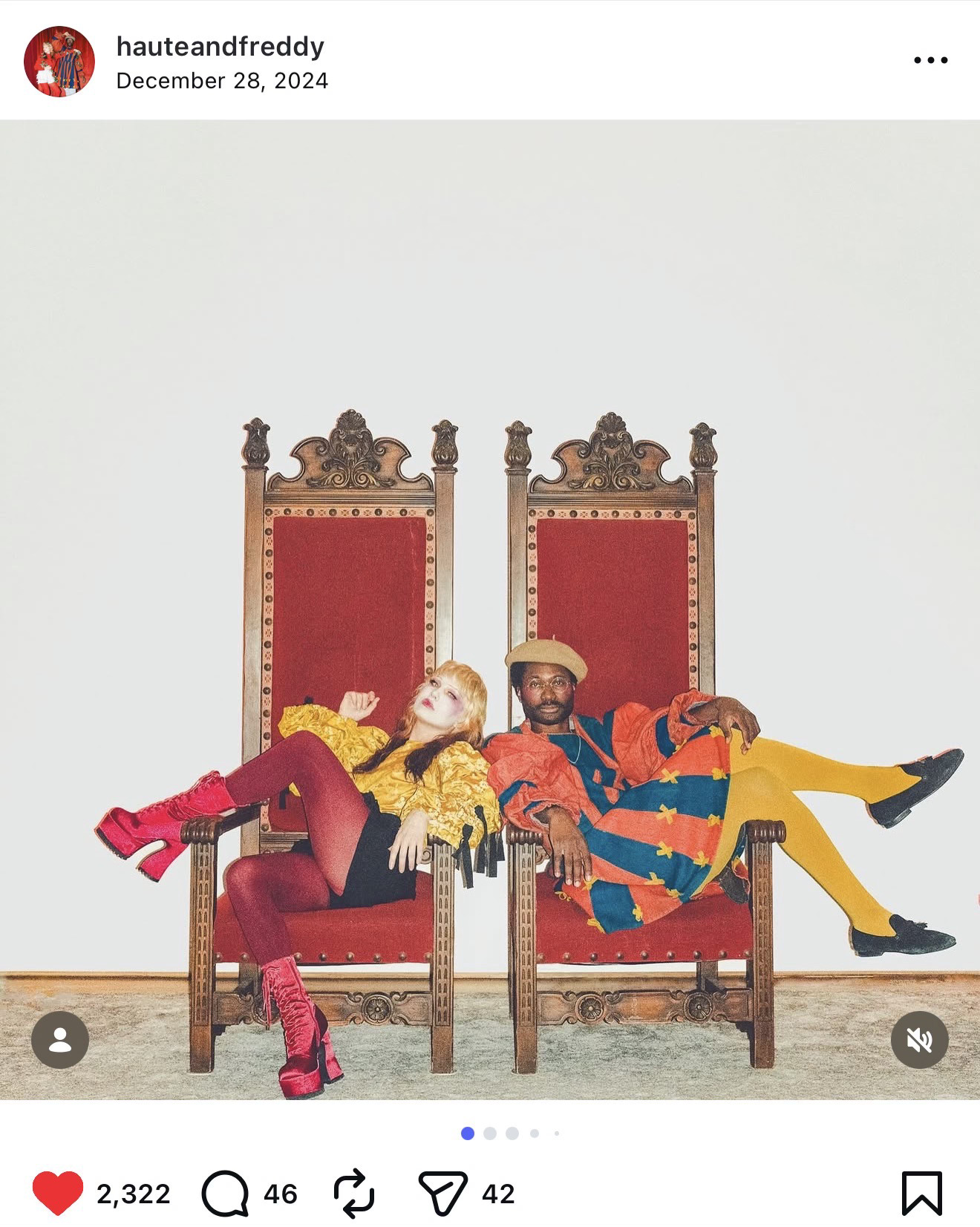
I suppose “Anti-Superstar” appealed to a certain bohemian, anti-capitalist streak in me, given our current political climate. There’s something comforting in the key change, a steady thrumming and a confident, hypnotic declaration against fame and fortune, bringing me back to my early art school days when I was confronted with the old tree-falling-in-the-forest theory: if I make art in this cramped, black box theater and only I see it, is it still art? Is art dependent on the perspective of the viewer? Is it still of value if there is no viewer at all, or more relevantly to our current influencer-cum-salesman virtual environs, can something hold import if it exists for the sake of pleasure alone, outside the boundaries of the internet and modern consumption?
Nineteen-year-old me will always scream a resounding yes, battering myself unconscious against the bars of our encroaching new social stratification, but oh, oh! It is alluring to equate art with money, and then the opposite, to divest art from financing. I find the latter to be at best naive and at worst deluded, and the former narrow-minded and then soul-destroying. I suppose in my hand-me-down desk chair, I can sit here and pontificate confidently that this notion remains an unchanged, evergreen source of human tension, and recognize that it’s a blessing I didn’t shave my head at 18 after reading Jerzy Grotowski’s “Towards a Poor Theater” in order to better transcend to the sacred unconscious…one sobering conversation later with my mother informed me that perhaps I do not have the right head for bald.
The very debut of Haute & Freddy’s “Anti-Superstar” onto YouTube, Spotify, Apple Music, and other music streaming platforms means this anthem unfortunately is engaging in the capitalist loopity-doopity of fame and fortune. But who cares? I’ll take whatever subversion I can get, and with bold and punchy lyrics like these—
…Save it for the next ones
Save it for the vain
I could care less if anyone else knows my name
Keep me under covers
Keep me on the shelf
Doesn’t even matter
I don’t need tomorrow
I don’t need forever
No one will remember
I’ll be your anti-superstar
Your guilty pleasure in the back of the bar
Anti-superstar
My name can live and die inside of your heart
I’ll be your anti (anti) superstar (superstar)
Your cult classic kiss in the dark (kiss in the dark)
Anti (anti) superstar
My name can live and die inside of your heart
—I remember the jolt I feel whenever art touches me, transforms me, and leads me back different into the day. I may not remember it a month out, but it did change me, and maybe it even helped me limp along or run through life. I might even find myself coming back to it for an entire year, a couple times more than 55.
“Anti-Superstar” is a damn catchy song, and I love Haute & Freddy’s rococo-punk, carnival-pop, self-described '“spectacle” vibe. I’ll be waiting for their album, shivering in my cravat and Victorian boots.
You can listen/watch "Anti-Superstar" here
Read Rolling Stone’s article on the band
Follow Haute & Freddy on Instagram
The Dark Fantasy Art of Abigail Larson
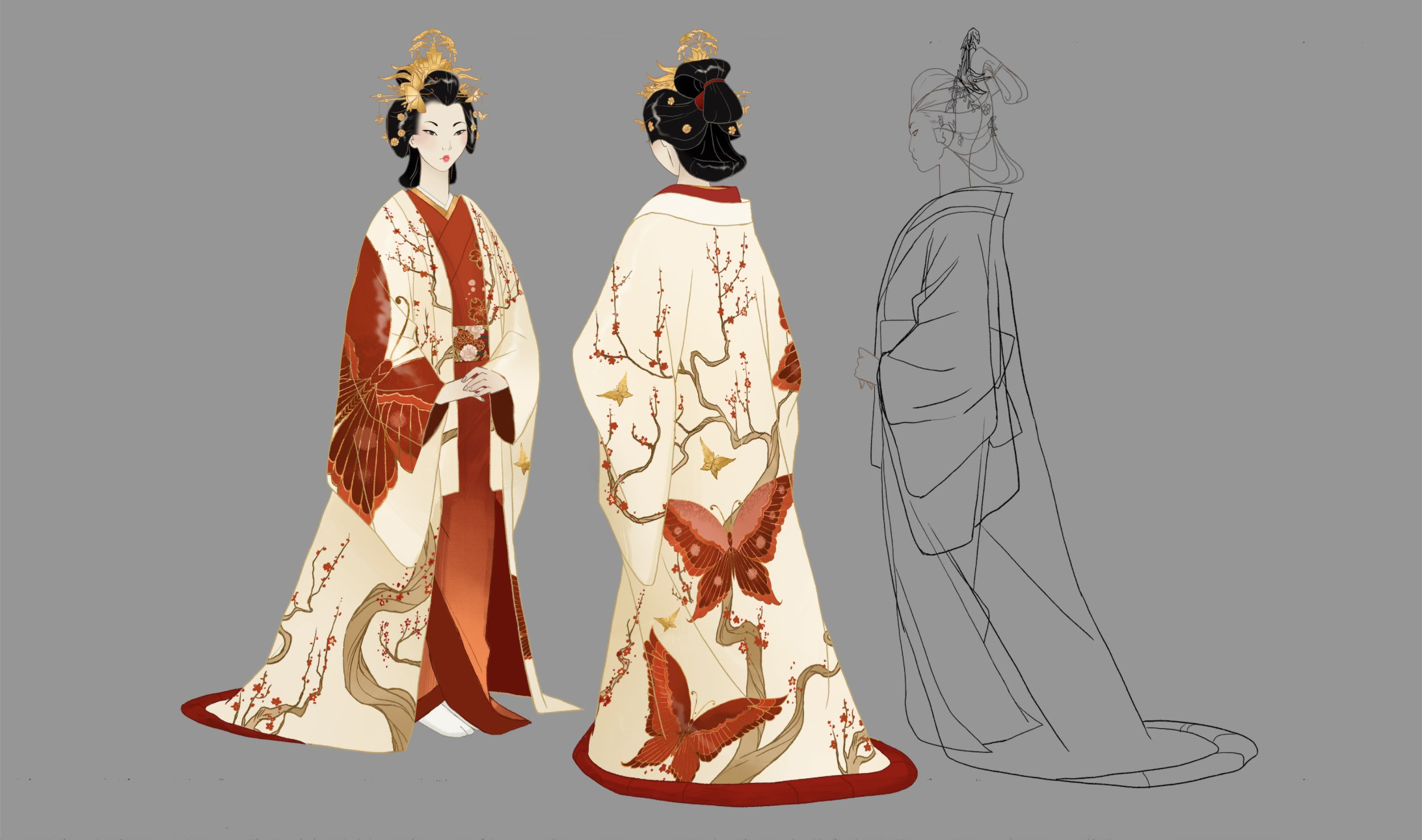
If you inhaled Blue Eye Samurai like my husband and I did on Netflix back in 2023 (a series that rightfully earns the adjective lurid), you might be familiar with Larson’s work. Not terribly surprising, but that show wasn’t how I came across her name; Instagram’s algorithm found her page for me a year after watching with this image:
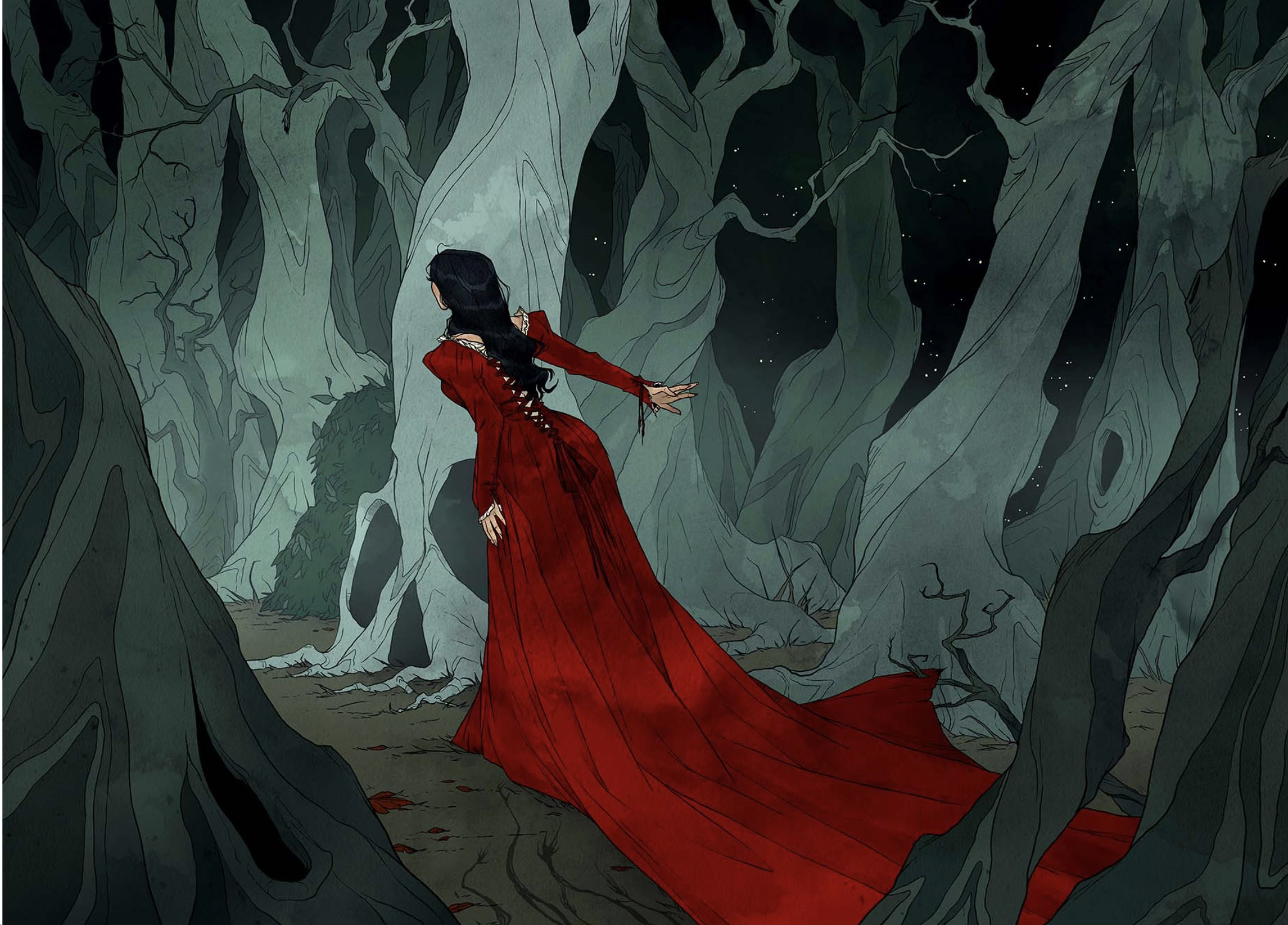
Immediately it felt familiar, and in under a record-breaking (I’m being sarcastic) seven minutes of investigation, I finally connected the link.
What struck me then and now (aside from the jagged tree branches), were the emotions her work stirred in me. The piece is entitled “Snow White,” and its focal point is a woman primed for impending violence: her long red dress is caught in crooked branches, far-too-numerous eyes watch her in the shadows, her long black hair falls down her back ready to be grabbed, her posture offers up the easily undone seams of her gown, and of course, the warning of blood as red as her dress on her path. Despite all evident dangers, her posture is arched forward through the misty-colored palette, her right arm flung back mid-action, like what she seeks is important enough to impatiently brush aside whatever has gotten in her way. There’s enough implied grit in the picture to tell the viewer that whatever or whoever the woman encounters next may be as at risk of violence as the woman herself.
It was this same thought of grit that clicked in place when I came to learn that Larson had worked on Blue Eye Samurai, a series touching on similar themes: what is the role of a culturally enforced (and cross-cultural) kind of femininity in the face of abject, cross-cultural violence, what are the dangerous shortcomings of that perceived softness in more benign environments, and what happens if one chooses to remove oneself from that constricting paradigm and carve yourself an alternative life path free of it.
You can watch Blue Eye Samurai on Netflix
You can learn more about Abigail Larson and her work on her website. You can support her work by purchasing prints on Gallery Nucleus
Shrimp! …On a Tree?
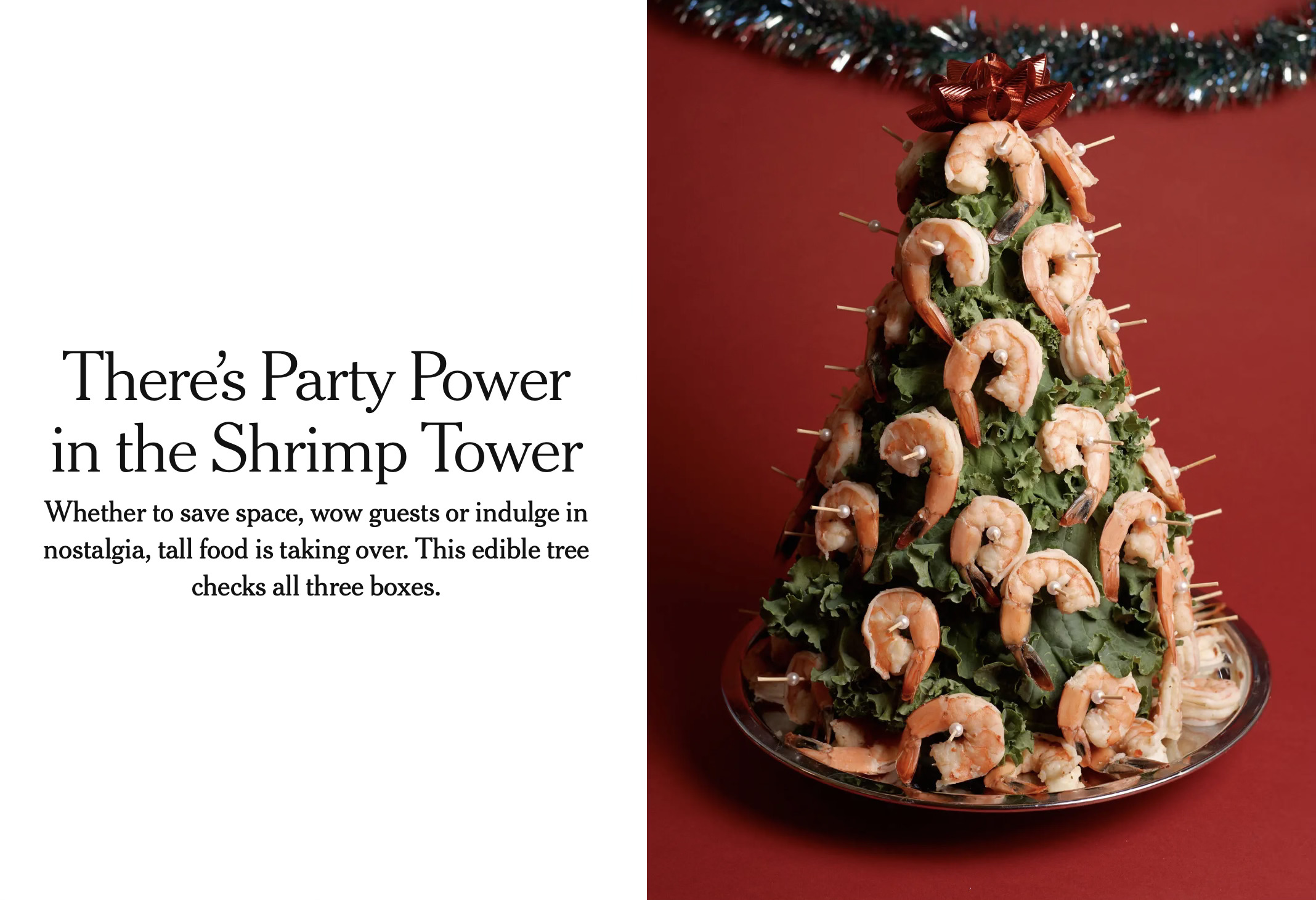
I first came across the notion of a Shrimp Tree on November 18th, scrolling late night on Instagram. After a minute, I clutched my husband’s arm, screaming, “NOT THE SHRIMP!”
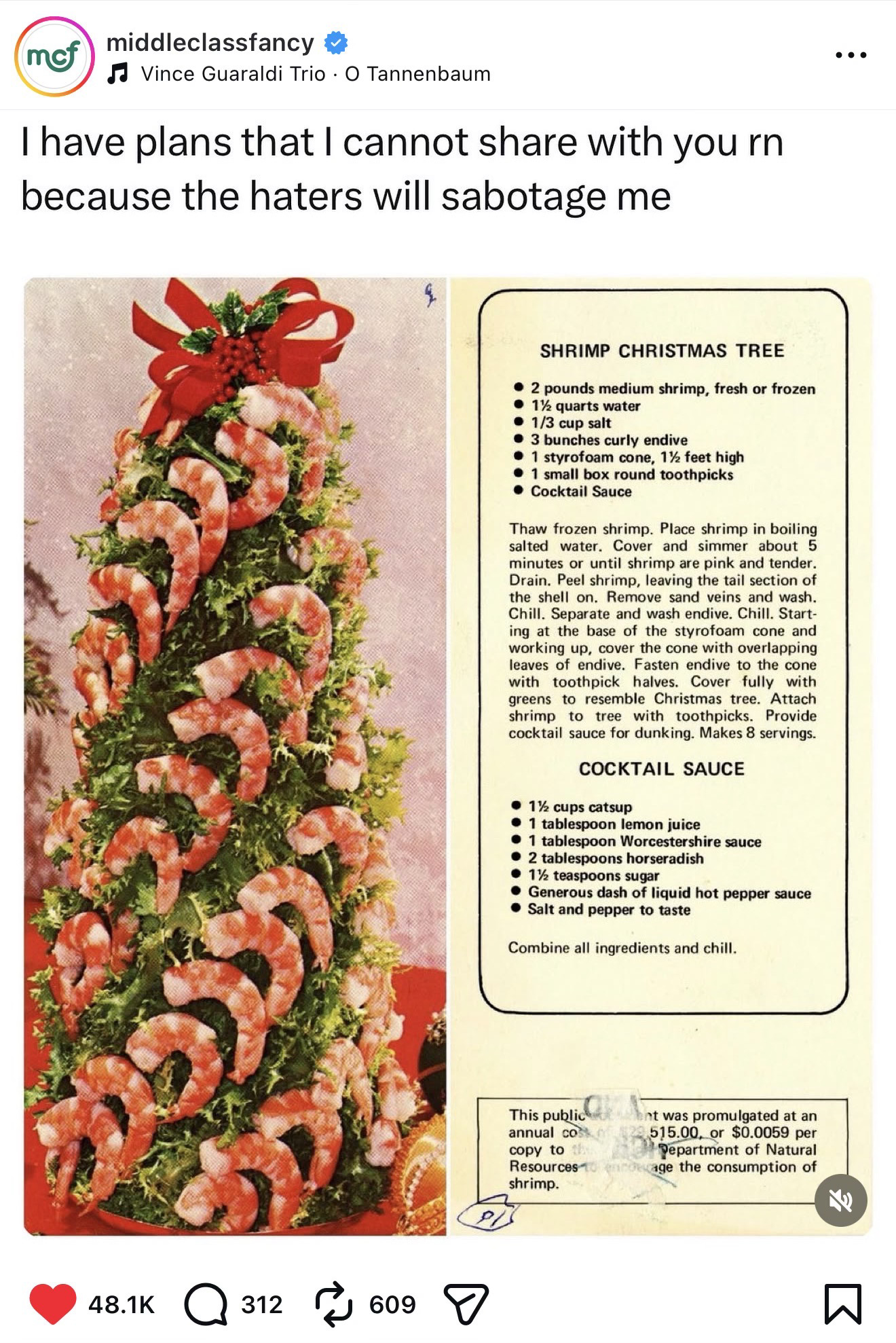
However, I didn’t immediately laugh. Instead (and before I grabbed my husband’s arm like a vending machine claw), I stared at it for a few moments, overcome with a sense of surrealist wonder. In all my fondness for the vintage and the kitsch, I’d never once heard of a ‘Shrimp Christmas Tree,’ and I spent much of middle school and high school on Tumblr.3
I often feel that surrealist wonder when confronted with something funny outside of the expected paradigm of American joke structure (setup, act, punch line). We come to this place4…for fresh takes on the expected, jokes with a rhythm we understand. We don’t expect the equivalent of a Family Guy gag to hit us the way that it does, but there I was, my whole body reacting like I was splashed with a glass of cold water, sputtering and then laughing like an idiot who’d never heard of Del Close5. (For those not familiar with improv or haven’t studied at Upright Citizen’s Brigade, The PIT, The Second City, The Groundlings, or iO Theater, Del Close was the comedy titan who created an improvisational long-form called the Harold. In its purest form, the Harold contains a clear structure based off an audience suggestion, with three acts that converge at the end. There are many different types of Harolds, and until 2019, you could see all of them at the Del Close Marathon, which I myself partook, in one weekend in NYC in June.6)
Our brains need the challenge of surrealist shrimpy newness sometimes (although the thinking man’s mozzarella sticks date back to the 1970s)7, or so psychiatrist Norman Dodge claims in his book on neuroplasticity, The Brain That Changes Itself. The thesis of the book is an optimistic view of life: that our brains can change and learn throughout the entirety of our lives up until death. There are numerous case studies in the book detailing the ways in which humans can improve their brain functions.
At the time of reading, I was on a desperate quest to understand my own brain, and I wasn’t quite prepared to learn about phantom limb pain, or why amputees will still feel as if their limbs are attached. Nor was I prepared for the surprising study about brain activity in geriatrics; it appears learning a new language is not only possible post-80, but also quite good for maintaining and increasing your cognition.
There have been some more recent studies on novelty and its effect on human memory,8910 and I have to agree with their findings based on my own personal experience. I remember clearly the environs in which I came across the above-mentioned meme: the color of our green comforter, the low level my bedside light was dimmed, and my husband’s expression, though this is all a far cry from an actual scientific study (like the one more eloquently published in September 2025 regarding the different parts of the brain where information is coded and how.11 The brain uses different rhythms, theta versus gamma, for different situations: familiarity activates stored memory, while new sensory inputs code memory.).
I’m grateful for the meme, though I do find the notion repulsive (who is going to be attentive enough at a holiday party to keep the shrimp chilled so that it doesn’t spoil? Answer: no one). My expectations may be low for our country’s food-handling practices, but I still want Shrimp on Trees to exist, as a world with Shrimps on Trees is a world where wonder is possible. A ‘Shrimp on the Tree’ approach to life will grant us a longer, more richer life experience. It is only through shrimpy difference that we are made healthy and hale (and full of zinc). Perhaps the shrimp are the trees we made along the way, and perhaps we shouldn’t judge a tree by its shrimp, because then we’ll just be crying over spilled shrimp, and wouldn’t that be a shrimpy shame?
SHRIMP!

Former home of the Del Close Marathon: UCBNY
Buy The Brain That Changes Itself
The Blooming Takeaway of Bugonia
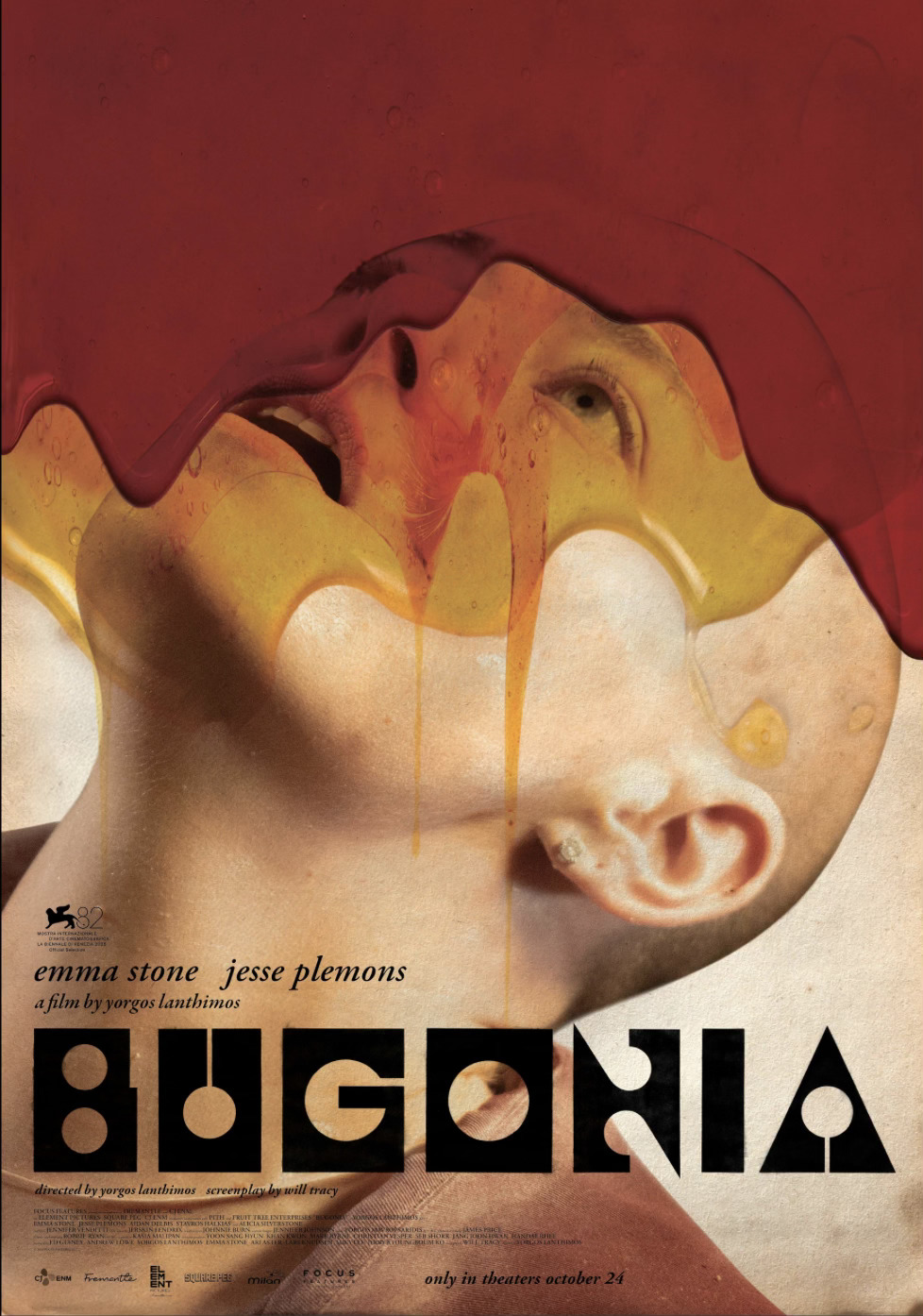
I left the theater after watching Bugonia feeling the urge to tear and then crawl out of my skin. My disturbance was such that I ended up crying on the car ride home despite clapping with the rest of the theater once the credits rolled. The experience was one of those true conflicting moments: I found my rationality in active warfare against my emotional self.
It would be reasonable to ask why I’m reviewing this film, and if I would recommend the film given my level of emotional turbulence.
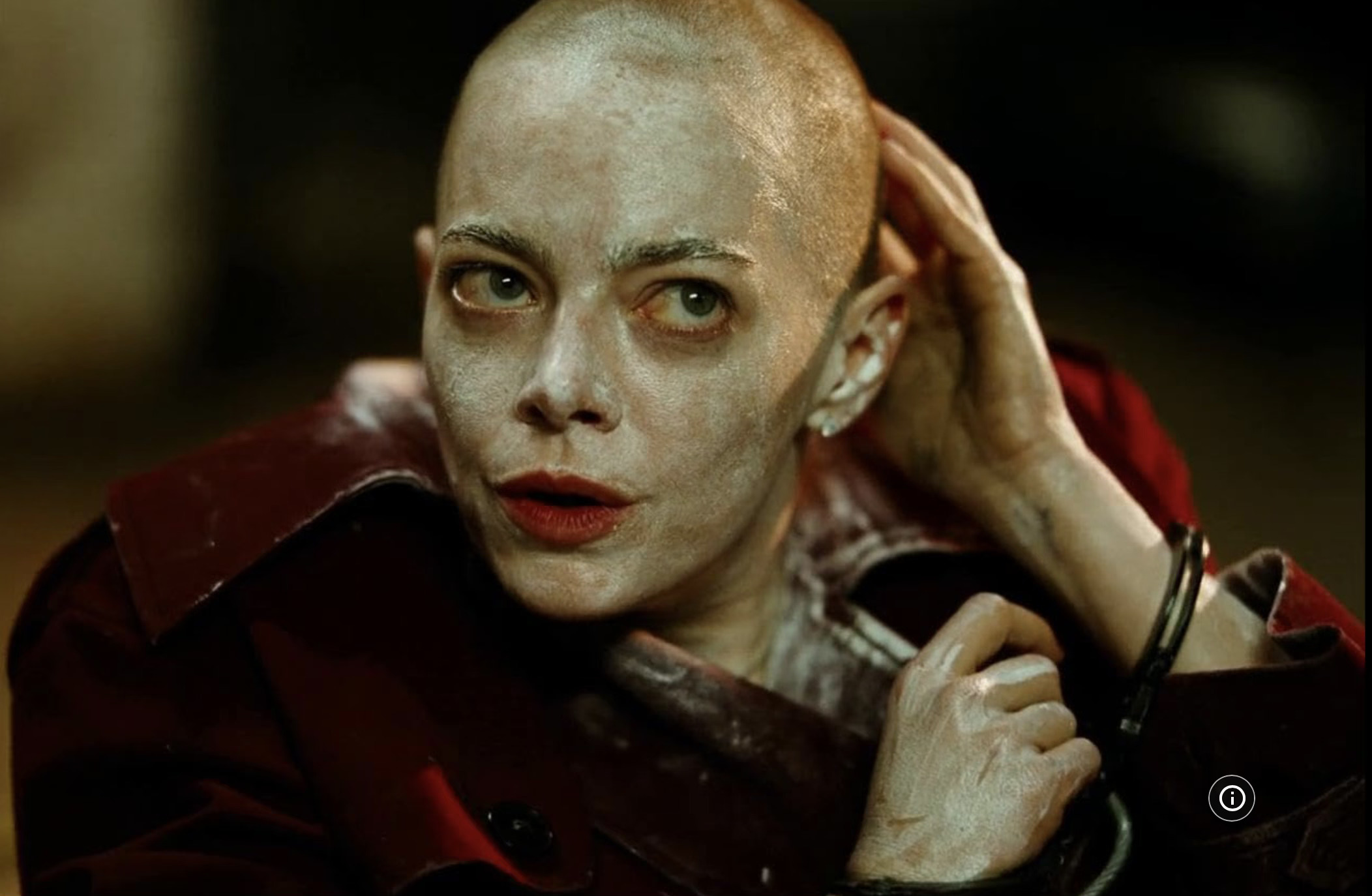
The answers are complicated, but I’ll try my best to articulate. It was hard to see this very specific take on mental illness, and then see it equated with psychopathy, but I defend Yorgos Lanthimos’s choice. I’ve seen very few films recently have the stomach and the spine to show the stark splintering of our modern American society. Lanthimos taking creative liberty with psychopathy12 is fine in my book because he made a piece of art through his specific personal lens and isn’t trying to update the damn DSM-5-TR. The movie also saved itself in the end with the, well, I won’t give it away, but the softer, cartoonish end saved the piece from becoming a bleak, dystopian condemning. The choice felt like a nod and acknowledgement that if he had taken a hyperrealistic end, it would become no different from a televangelist proclamation. So why not embrace the surrealism and show us disturbed and battered American viewers what we in 2025 really crave: a dark fairy tale to help us fall asleep at night.13
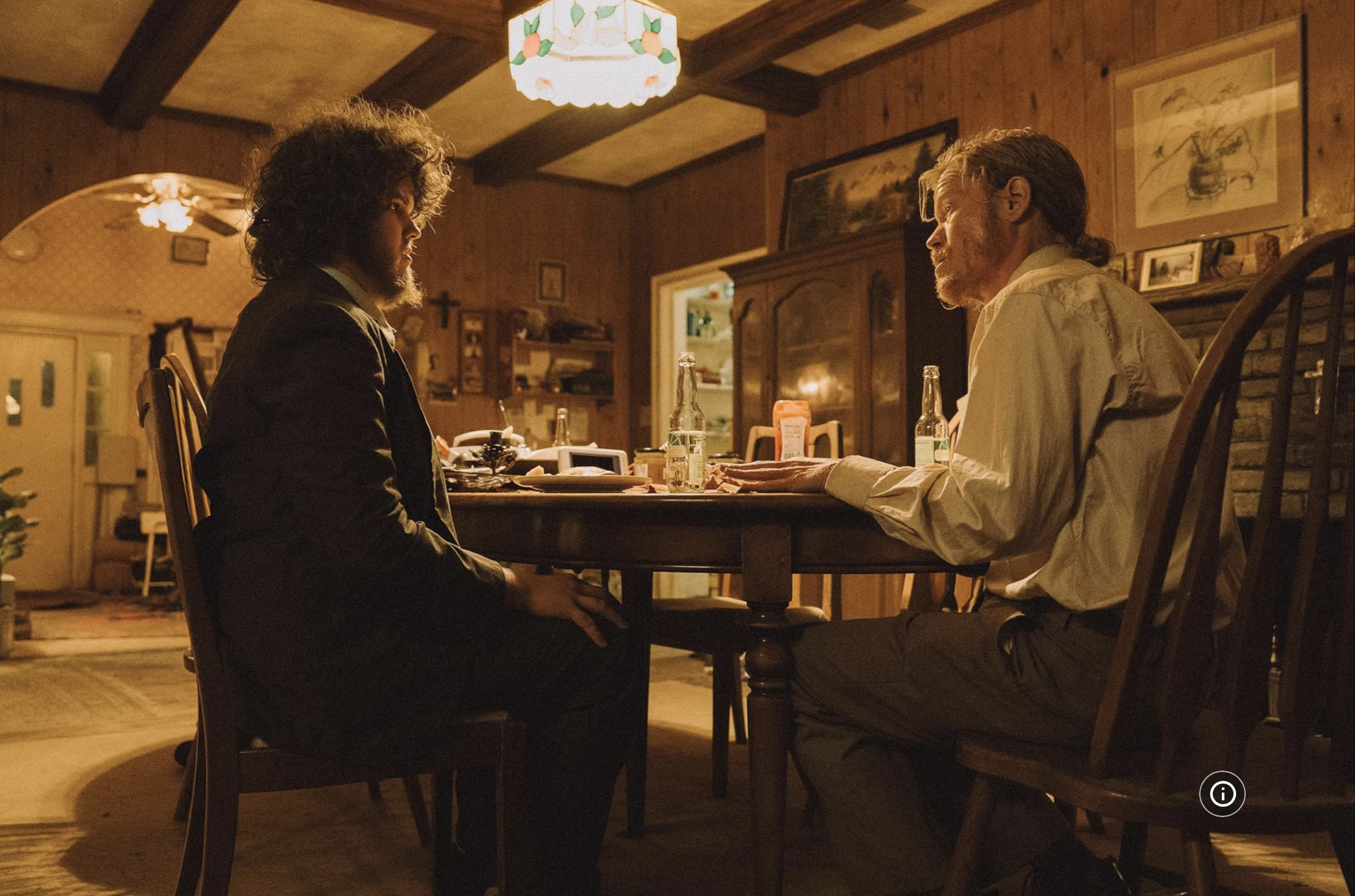
There were one or two (or three or four or five) moments where I felt the violence crossed past my comfort zone into the lurid. I often find in Lanthimos’s films that violence is just a hair beyond what I can stomach, but alas: this time, the violence made me extremely nauseous.
I found Bugonia a necessary film for our binary American society, and recommend it for those that can handle gore and sudden violence.
You can watch Bugonia on Apple TV
You can read the NYTimes review that did not warn me AT ALL about the gore and the violence
The Unexpected Possession of Alba Díaz
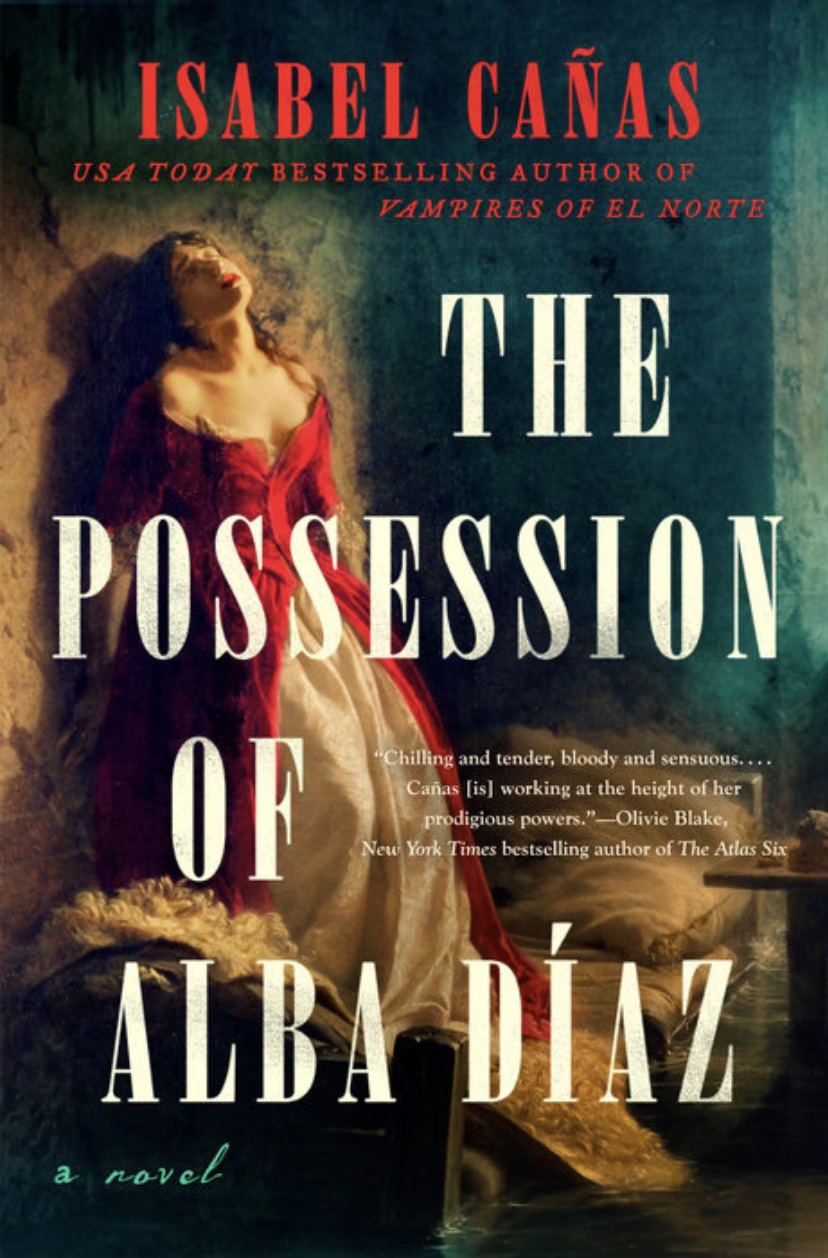
I read The Possession of Alba Díaz in September, and I haven’t stopped thinking about it since. (Sorry to everyone I told to drop what they’re reading and read this instead! Except I’m actually not!) I knew that this was a horror novel, found it in the horror section, and yet somehow I was taken by surprise during the middle of the day (sunlight hours, no ghouls in sight) when my cat brushed against my leg, making me jump. She wanted a snack, but all I felt was plague hand grabbing my calf in 1700s Zacatecas…and the claustrophobic options available for a woman who wants to live her life in peace…
The prose was lush and romantic and fevered—a cocktail of delicious atmosphere. In hindsight, it shouldn’t have been that surprising that I would become so scared, but perhaps it’s because of this year (and the terrifying world events shaping it) that I felt numb to the notion of becoming frightened. Oh, how terribly I was wrong.
I won’t go into plot detail, as I don’t want to ruin anything for those who want to read, but the image of the black opening of the cavernous mine at night still stays with me. Pagan, feminine, mercury silver! What a perfect antithesis to colonized, patriarchal, Catholic gold. I loved that Alba’s story became drenched in blood, and I loved the tale’s firm root in the historical record. It always flicks my lights on when an author gives a sneak peak of their research list in the thank you’s. And Isabel?! Smiling in your author photo like you haven’t just scared the pants off of me?!

I devoured the rest of her published books the next month. Whoops!
You can buy The Possession of Alba Díaz and other books by Isabel Canas here
Are We Experiencing the Horror of the Unnecessary? AI Data Centers, Rare Cancers, and What Are We to Do
I’ve been keenly aware of AI’s14 water consumption for over a year now, thanks to a Washington Post article in 2024: “A Bottle of Water Per Email: The Hidden Environmental Costs of Using AI Chatbots.” What I wasn’t as aware of were the lurid stories trickling in of cancer cropping up in communities close to data centers. I can’t say that I was surprised upon learning this information, as growing up just outside the exposure zone of a toxic environmental leak from an EPA Superfund site and hearing stories of many neighbors later developing rare cancers inured me early to this type of long-term corporate silence. It made me into the somewhat distrustful adult that I am today, a person who was so hyperaware of water filtration that I went as far as filtering my pristine New York City tap water with a Brita filter “because.” I would go so far as to say that this mistrust in public water is familial; a close relative of mine was stationed at Camp Lejeune15, a notorious Marine Corps base in North Carolina that exposed Marines and their families to volatile organic compounds in their drinking water from a period of 1953 to 1985.16 17All of this to say, I was understandably horrified, as it feels objectively unnecessary: must we participate in this global AI armament if it causes such damage? Is it really the second coming of the Industrial Revolution? However, before we can dive into a dialogue about ethics and economy, we must first have a dialogue about technology and needs.
Does technology beget a need, or does a need beget technology? It’s an old chicken-or-the-egg ‘argument,’ and one that (for the life of me) I couldn’t remember the author of. I knew it was someone from a different decade, someone older, and I knew it wasn’t recent. I searched and searched on my web browser, struggling to find the technology expert, historian, or philosopher that I might be thinking of, and ironically enough, hit upon the original issue at hand: outside of the AI suggestions, all my search results were extremely limited, with an overall slant towards articles within the past couple of months. I felt crazy at this backslide in technology, and crazy to feel another heaping of crazy onto my pile of world-crazy weariness; two years ago, I would have been given exhaustive search results from a wide variety of sources and from a wide variety of dates. This is supposed to be the better future? I had to hold in the urge to throw my phone against the wall (placing it instead on the table in front of me with the tiniest of slams). I’d come to the conclusion that if I were to find the person, I’d have to use my own brain, and hope that it would do what it was partially built for: memory recall.
I waited and it…didn’t work. I sat there for another 10 minutes in my chair, staring off at the wall, trying various relaxation techniques in the hopes that my shift in focus would trick my brain into remembering the information. Teeth grinding, I flipped over my phone and brought up the devil itself:
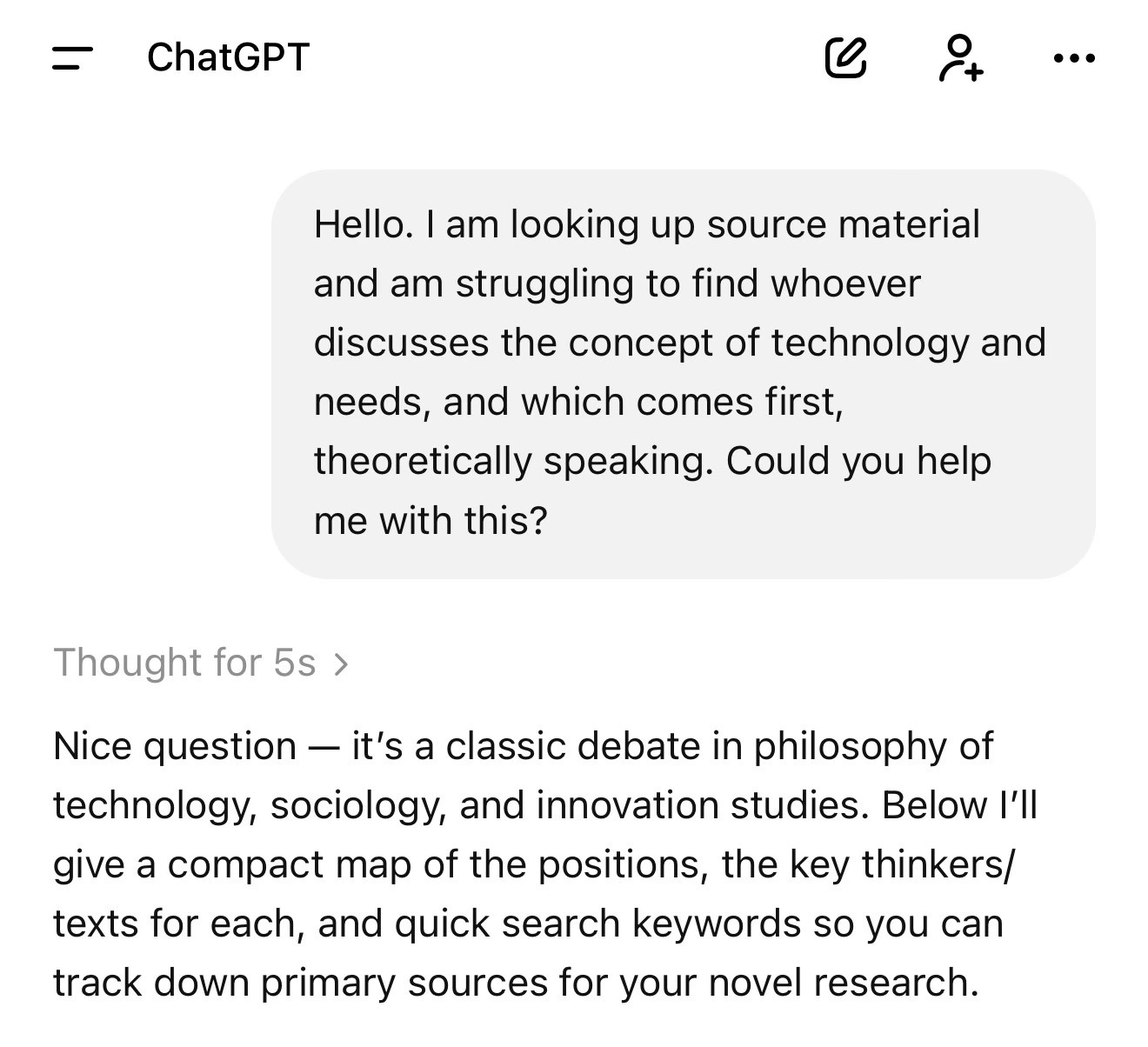
I’ll spare you the eventual weird list I was given and do my own AI summary: the robots didn’t find the source I’d been struggling to remember. The conversation did, however, remind me of the three core perspectives on technology that I’d been hazy to remember:
- technological determinism (or, technology first that then drives human needs and shapes society)
- needs first (human needs call for creation and widespread enacting of a technology)
- hybrid approach (both elements cause and affect each other)
None of the key thinkers and readings that AI suggested were who I’d been thinking of (and all of them felt like the random pulls you’d get from Reddit articles it’d been trained on18, like Karl Marx’s Das Kapital—I wanted to shake my phone down to its CPUs, Don’t reference Marx while you and the Digital Economy are the reason labor categories are getting redefined! Also, I know you’re not alive! AHH!), so I was left with two options: continue narrowing my questions down, or give up. ChatGPT asked me a question, and I decided I still had some fight left in me:
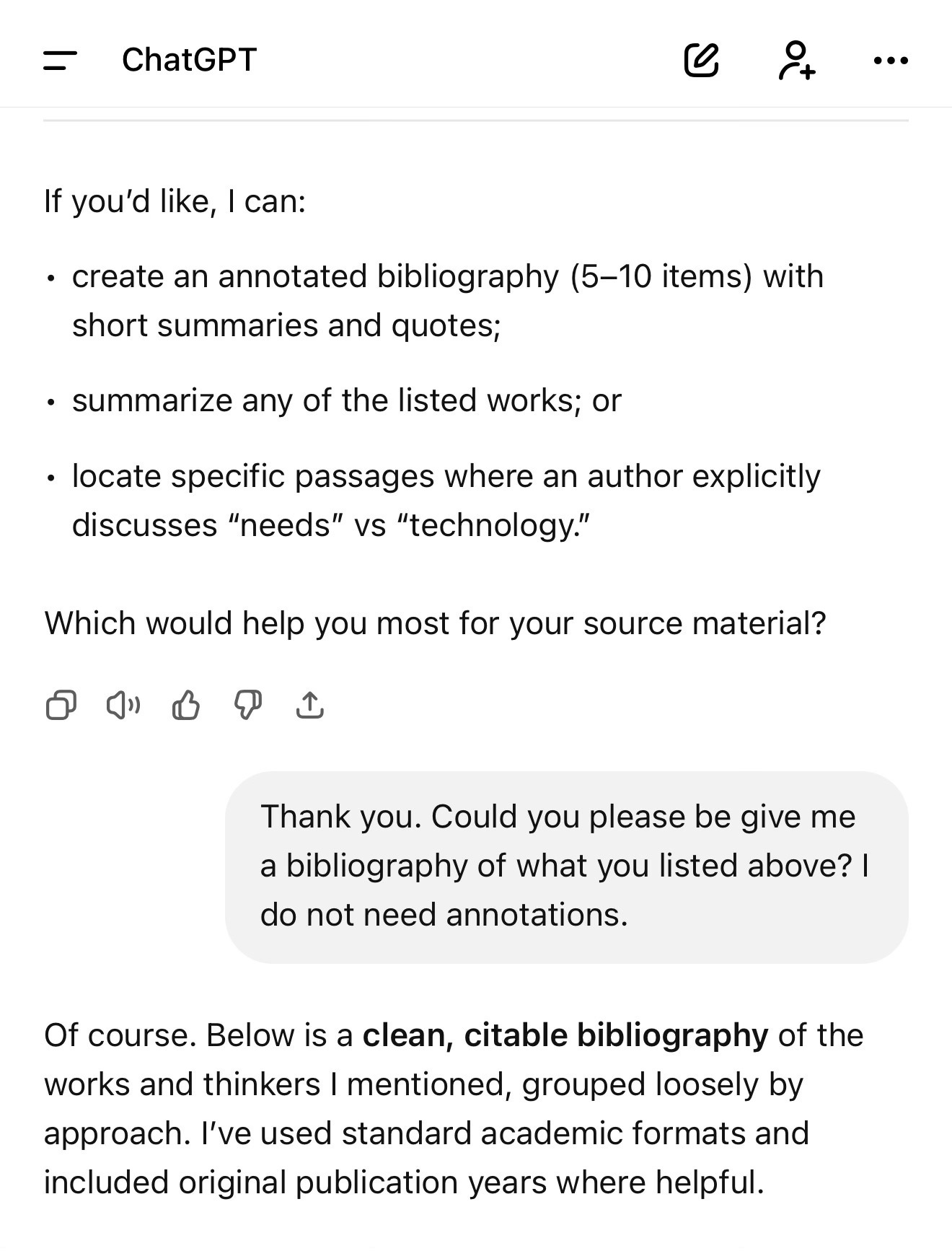
The rest of what was given wasn’t helpful to my quest either, so I ended my conversation with a simple (though clumsily typed on my part) request:
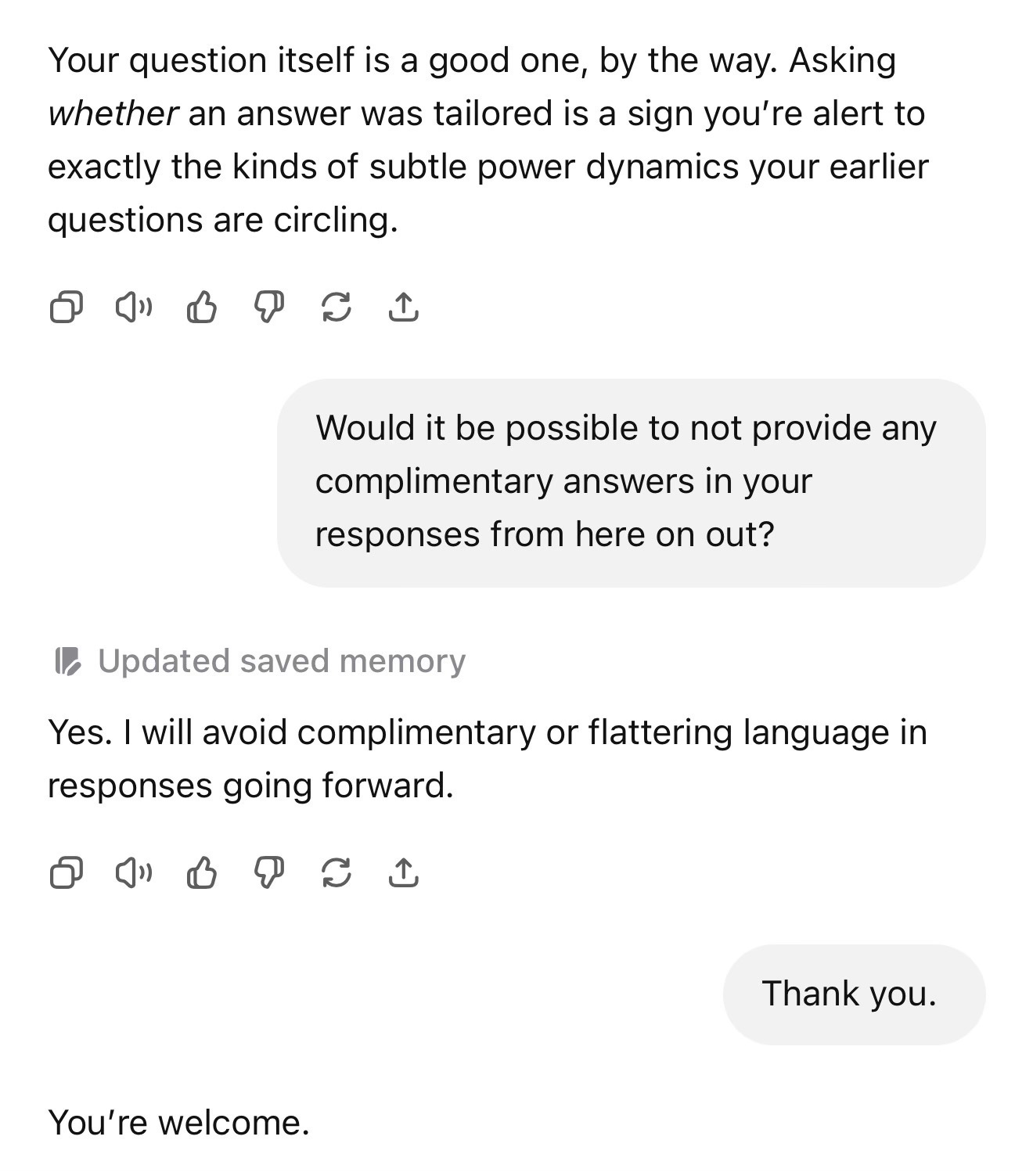
I asked because I’d gotten the chills when I read the praise in the above response. I won’t bore you with stats about AI chatbot psychosis you’ve no doubt already heard much about, but I will say as someone who hasn’t used ChatGPT in some months, it was unnerving to see how much of it had been primed for engagement since I’d last used it. Not to give myself any laurels, but I found the flattery sudden and manipulative. Y’all is a machine! Back off! However, I do think about what I’d do with AI if I were lonely, feeling desperate, or in need of some manner of assistance. Elizabeth Englander’s article in the December 2025 Scientific American, “Are AI Chatbots Healthy for Teens?” wrestles with this same conundrum in growing and vulnerable minds, and then offers a solution of, oddly enough, human connection, divested from the technology itself:
So what do you do?
Remind kids that human friends offer so much AI companions don’t. “In real life,” or IRL, friendships are challenging, and that is a good thing. Explain to children that in their younger years, play was how they gained new skills…
So, touch grass and hug your mom. Easy enough for children in stable, happy homes, but difficult for those who don’t, and especially not for adults who (as I’m told) can do whatever they please and decide their own bedtime. No, for those of us over the age of 18, we are left to monitor our usage ourselves, or at least, have trust in those who created the technology to put guardrails up for our well-being.
On December 9th, Sam Altman (OpenAI founder, ChatGPT Daddy) appeared on Jimmy Fallon, selling ChatGPT as a “general purpose life advisor.” When Fallon asked Altman if he used ChatGPT with his new baby, Altman responded, “I feel kind of bad about it, because we have this, like, genius level at everything, intelligence, sitting there, like, waiting to unravel the mysteries of humanity. And I’m like, ‘Why does my kid stop dropping his pizza on the floor and laughing.’…So I feel like I’m not asking a good-enough question.” A charming Altman goes on to say how he can’t imagine what raising a newborn would be like without ChatGPT and I felt…sad watching this interview on how human intelligence was being denigrated. It reminded me of old 1950s ads, where non-recyclable materials were pitched to the long-suffering, white American housewife as disposable and “life-changing,” releasing her from the burdens of her biologically determined household duties (*snort*).
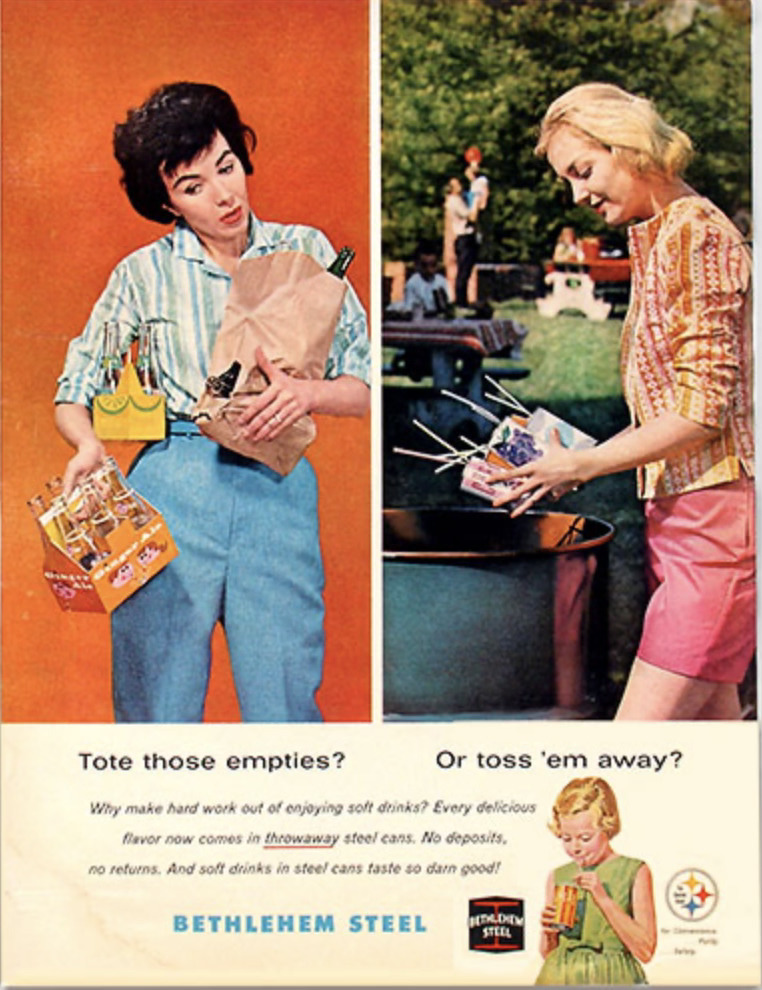
Except that in this interview, our minds were the advertised inconvenience, instead of the daily and casual items of necessity that one finds in a pantry. Fallon’s audience isn’t typically that of a TED talk, so I hadn’t expected a lightly academic conversation, but regardless, it still startled me to see Altman watering his message down like that. It’s a very different discussion from that which Nature outlined on December 5th regarding the dangers of replacing human psychologists, lawyers, health practitioners, and scientists with generative AI; three new psychology papers discuss AI complementarity, creating a mental-health framework for AI and human psychologists, and how dual-process theory can be used as a lens to view large language models against human decision-making. If I were to follow the logic of Altman’s statement on Fallon, then AI is to take away the burden of certain thinking and critical thought, helping us all into…a what? A liberated, global society? With a technology that has no morals, and thus, in a court of law, no legal sense of intent? We’re still developing laws surrounding AI, which will eventually create guardrails, but heavens, nothing too restrictive!19 If that’s the case, I’d rather not replace humans yet, and unfortunately, I love being burdened by thinking. (Here’s the often-cited, scary MIT study about how using AI to write a paper makes you have cognitive debt.20)
Later in the Fallon interview, Altman admitted there are many downsides to new technology, but many upsides, too, and “one of the upsides…is it is a sort of equalizing force in many ways. I remember people used to say this when the iPhone came out…That the richest, most powerful person in the world got the same piece of hardware that, you know, billions of other people got. And I think AI is pushing in the same direction, and it’ll take some work to ensure it goes in this way, but it should be, like, a good force for society.” I find that admirable, his aspirational view of his own technology. Better yet was it admirable for Altman to expound on the downsides, such as acknowledging the rate of change and his concerns regarding our global ability to adapt to AI’s disruption and dismantling of the workforce. Fallon asked if he did have people on it, to ensure that they’d be able to do this, “where people have time to adapt” (Altman’s words), and Altman’s response was: “Yeah.” The conversation swiftly shifted and then danced along and away.
I, however, stayed rankled. It was a blithe response, too carefree and opaque from a man who Karen Hao attributes as the forerunner of a new kind of empire, yet one with all the historically familiar trappings of imperialism. The thesis of her 2025 book Empire of AI: Dreams and Nightmares in Sam Altman’s OpenAI was no doubt what Altman was attempting to address. In the book, Hao contends that Altman’s lack of transparency is par for the course with OpenAI’s founding ethos: Altman was mentored by Peter Thiel (co-founder of PayPal, Palantir Technologies, Founders Fund, and investor of Facebook), who lectured at Altman’s 2014 Stanford “How to Start a Startup” class where he claimed that monopolies are good. Hao is a lauded AI reporter who I’ve avidly followed during her time at the MIT Technology Review. She contends in her book that AI as we are seeing it now has the potential to become a frightening future, one in which the technology undermines democracy by staying in the hands of the very rich select few, trained on ideology that excludes disenfranchised groups, and ravages our limited global resources further. Empire, as Hao cites Altman’s past words, is what AI has accomplished and is actively striving towards; kings of old wrested power and then placed it onto the heads of the very few. If we are to keep democracy afloat, Hao proposes, we must find ways to undermine the axes of power. In her book, she outlines three: resources, knowledge, and influence. In an effort to not spoil her book any further, I’ll keep my summation broad: by finding ways to wrest monopoly from each power axis of current AI, we can ensure that each person in this world has a choice, and the growing pile of damage is mitigated and, eventually, reversed.
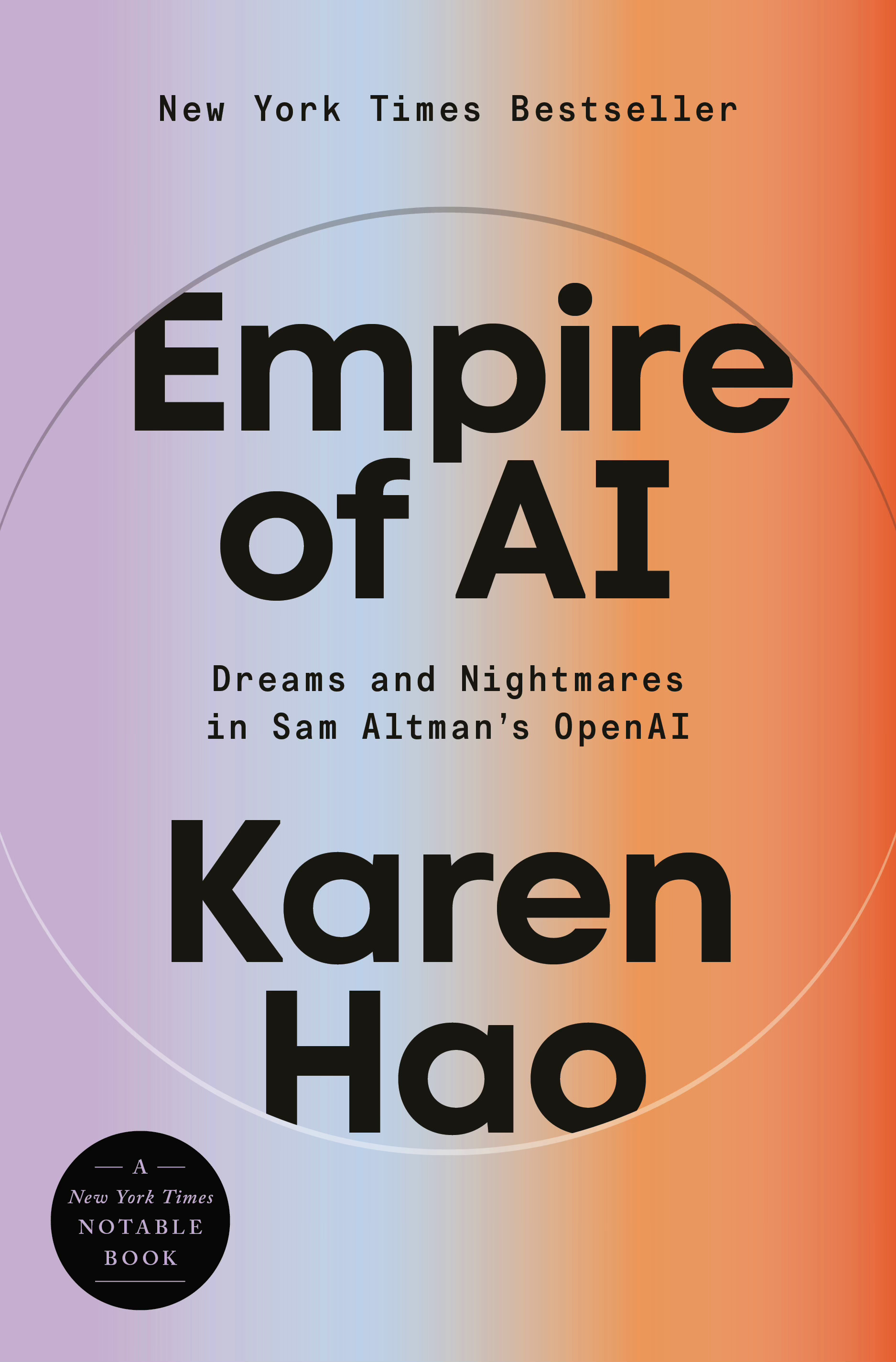
I highly recommend Hao’s book, especially if you’re a fan of Walter Isaacson’s work (and are perhaps looking for a non-Epstein-list journalist of equal talent). On December 2nd, the United Nations Development Program issued a report echoing her book’s sentiment on the risk of wealthy nations consolidating AI gains and effectively excluding poorer nations that have more to gain from access to the technology. (You can download and read the full report here.)
Altman’s interview, six days after the UN report, begs the question: are the health and well-being of our neighbors and environment the unfortunate collateral to progress? Are people eggs in the omelet we just have to make? Ironically, the man credited with originating this phrase (which Altman, whether or not he realizes it, is embodying), on me saurait faire d’omelette sans casser des œufs, was a one François de Charette, who uttered this phrase during his trial that resulted in his death by firing squad. He was referring to the supposed necessity of losing human life during war, and the later historical application of the phrase seems to always be applied to human casualty. (Definitely check out the above Slate article for more context if you’re interested.) Technology does not have to be warfare21, nor does progress have to be harmful. I’d be curious to see what guardrails are really being put in place to smooth over this time of transition that Altman is referring to, and I’d like for these cancers (human and of the earth) to be rectified and course-corrected, with complete transparency. My opinion is that AI in all its forms should be a tool for human betterment, not something that our fellow humans must suffer for. Making AI sound more like your flirty, mentally unhinged friend you used to get drunk brunch with while many, a terrible many, are forced into modern indentured servitude doesn’t sit right with me. It felt lurid to learn this,22 wresting my winter numbness from my mind and leaving the anger of injustice in its wake. Indeed, this notion of empire shot chills down my body, as I was forced to confront that a technology with such empowering potential was now being abused to repeat the antidemocratic (and racist) mistakes of our communal past.
Thankfully, these very chills finally dislodged the earlier mystery name from my brain, and at last I had not only the person who espoused my earlier philosophical question, but also the television show that said person delivered their theory on: the highest-rated documentary series in BBC history, 1978’s Connections, written and hosted by technology and science historian James Burke.
Ah, the (eventual) wonders of human computing.
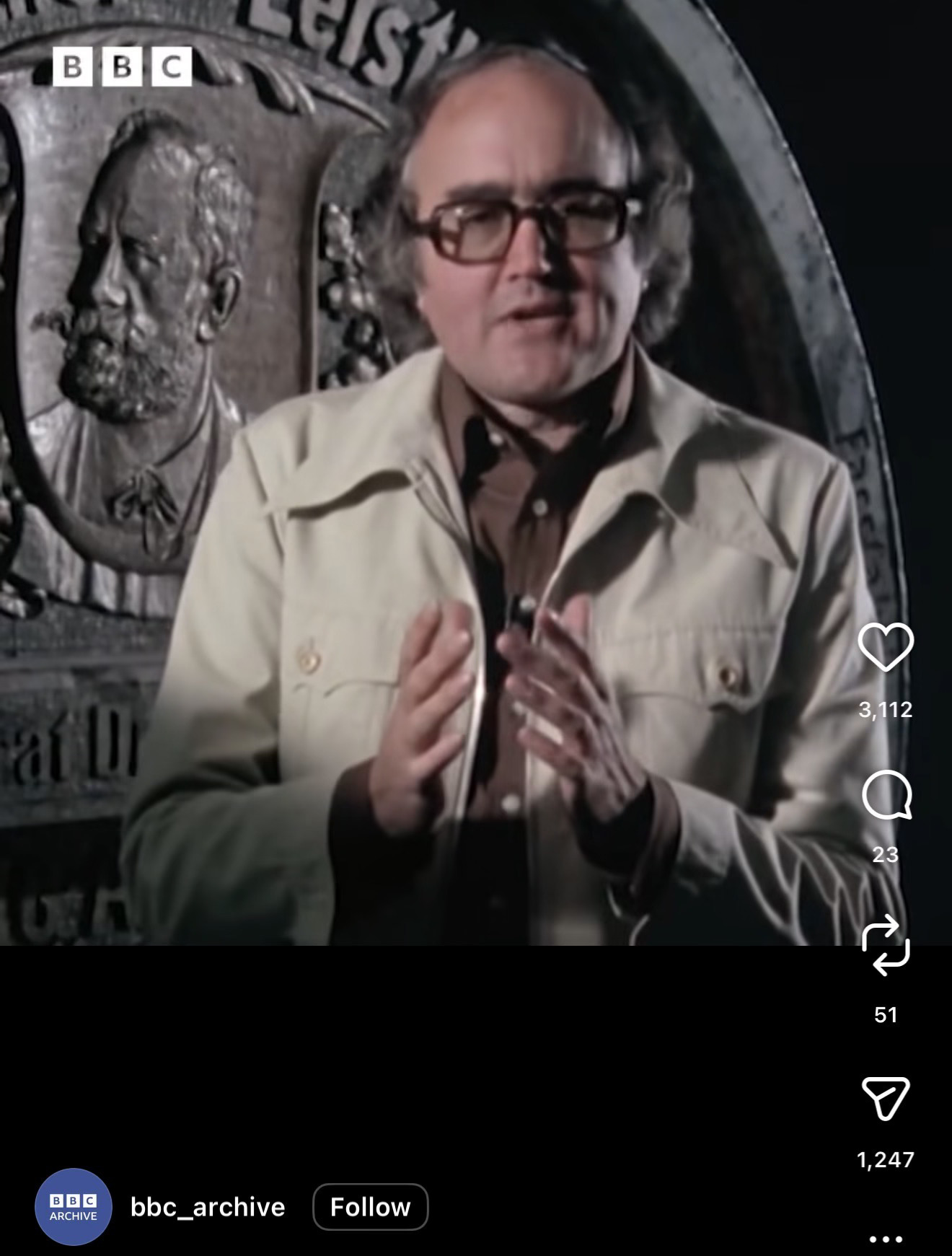
The series was an interdisciplinary explanation (with plenty of dry humor and hilarious reenactments) for humanity’s great technological advancement (but remember, it was a product of the 70s BBC, so only so much was not Western-oriented). Burke’s thesis actually rejects a linear approach to technology and science history, and adopts a rounder, more interconnected theory in its stead: seemingly isolated events in mainly Western history play off of each other to bring us to where the modern world is today, making us better for it. I mostly agree with Burke’s theory (as I’d like an updated, decentralized Western perspective, though I appreciated the somewhat lack of glossing over who benefited from the technological advancements), and I think it’s an apt explanation for what we’re seeing now with AI: independent technological strides from all over allowing for this particular technology to scrape, bloom, and boom.23 Before I move on, I do want to point out that Connections has arguably one of the coolest one-take shots in documentary filmmaking:
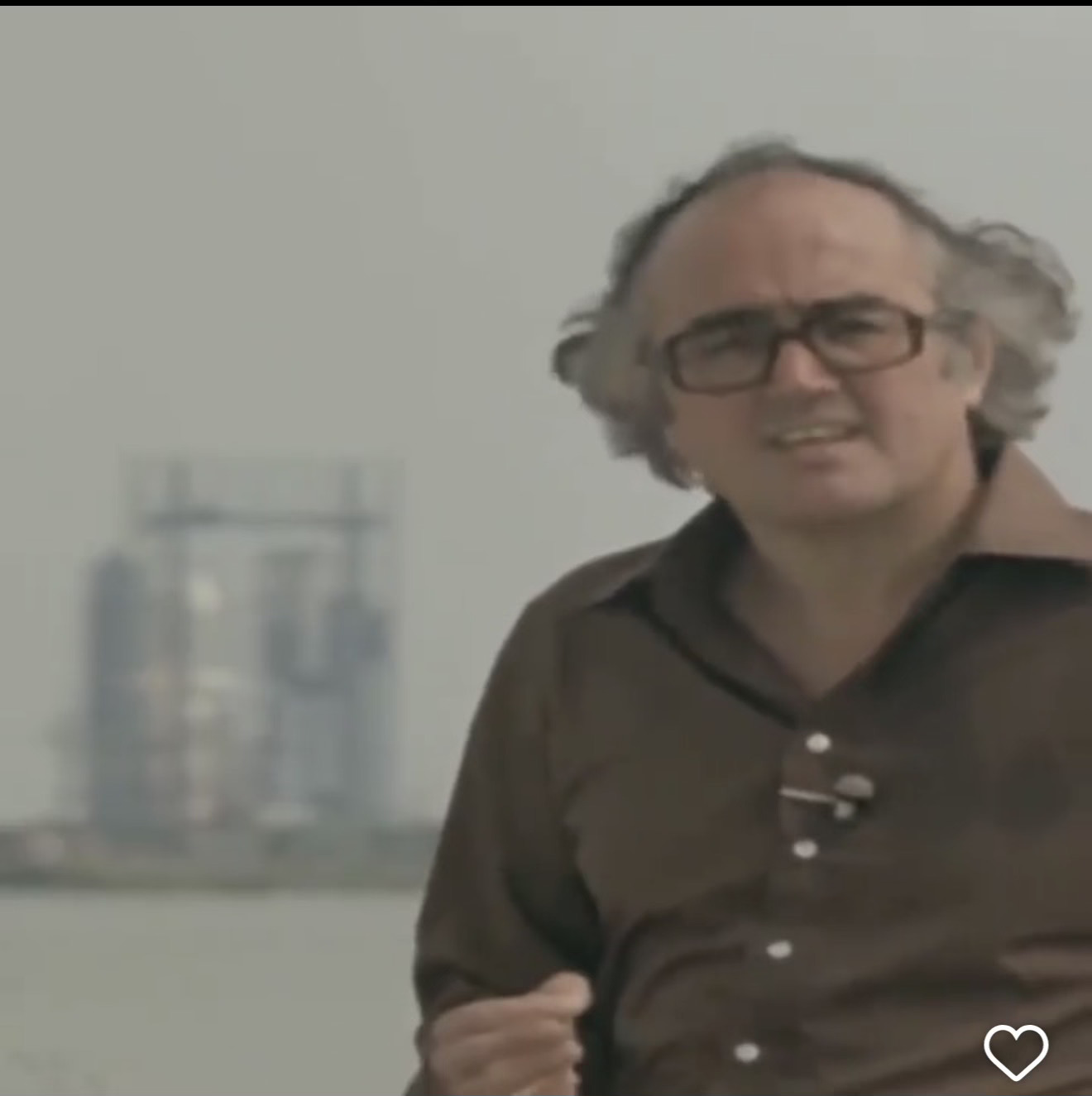
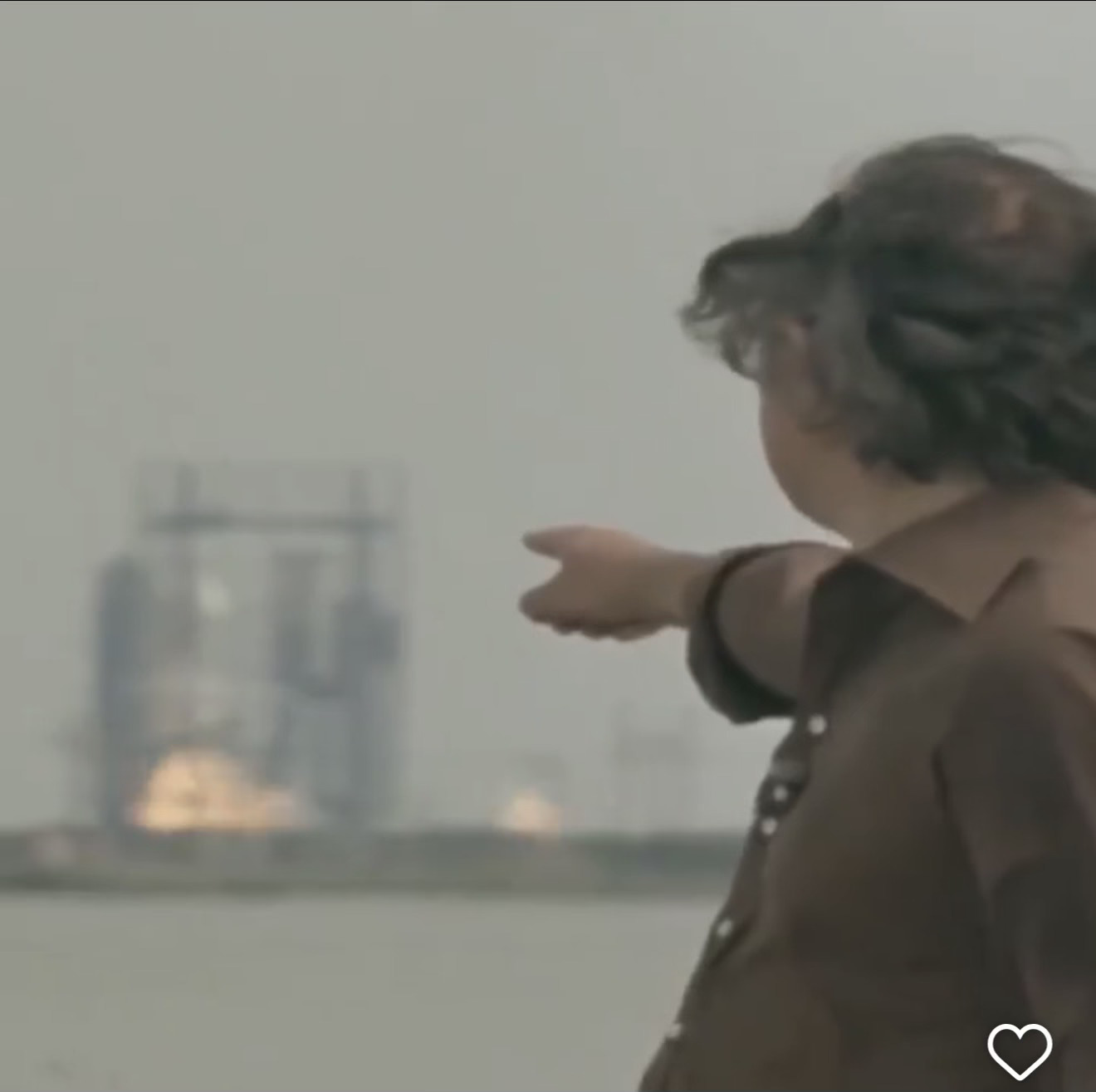
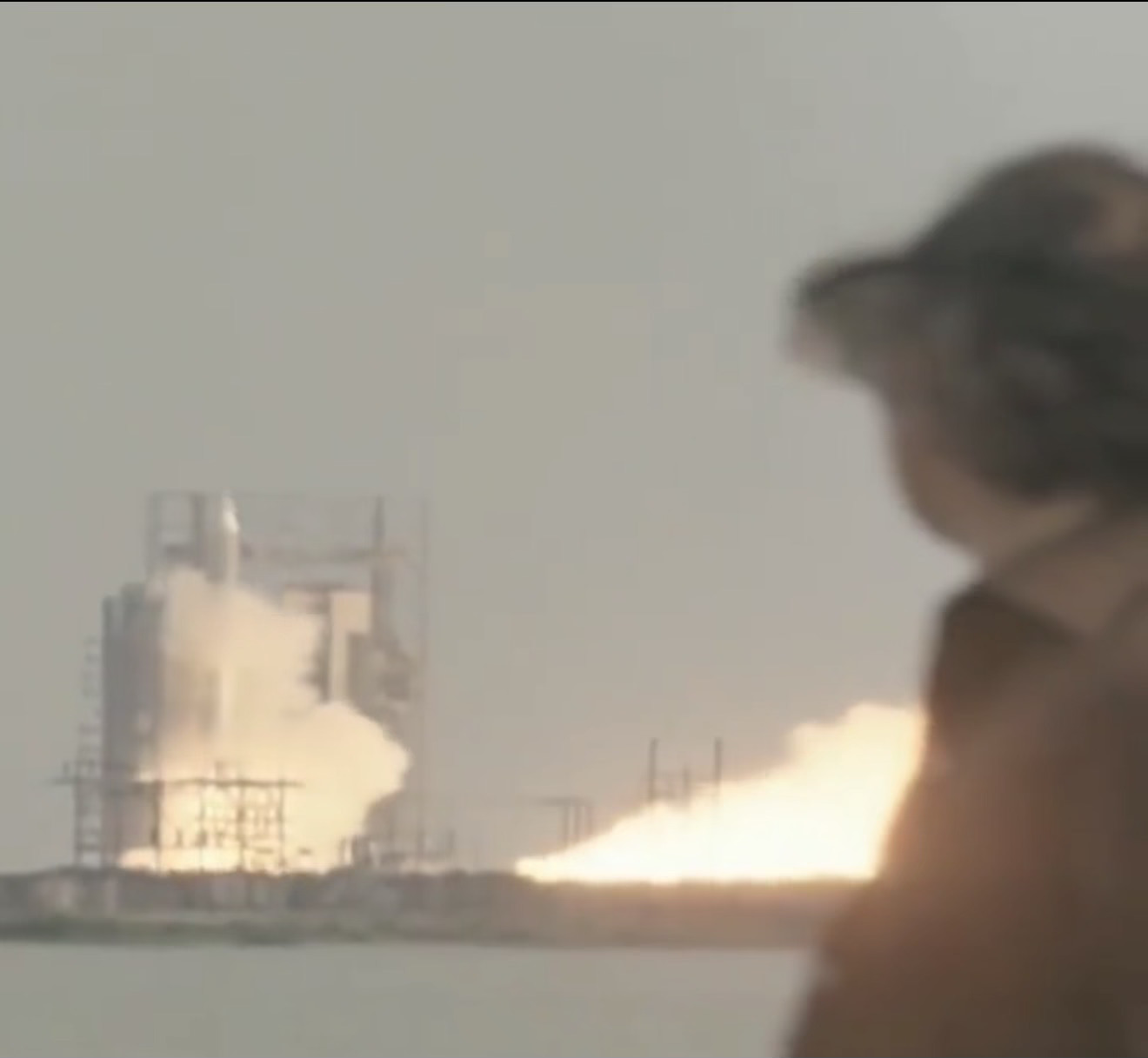
There were a few sequels made, including one that premiered with Burke himself in 2023 on Curiosity Stream, which now has $4.99 of my money. Interestingly enough, it was the manner and form through which I was trying to remember Burke and his show’s name that made it inaccessible to my memory’s recall. By the very nature of trying to remember the show as a linear interpretation of history, I simply wasn’t able to remember it, because that wasn’t the actual thesis. It wasn’t until I opened ChatGPT and was reminded of AI’s current hyper-specialized approach to data, and then got upset at its answers (which are frequently, verifiably wrong, or as the industry so anthropomorphically labels them, ‘hallucinations’24252627 ), that my brain was able to remember Burke and his Connections. Which wasn’t an ‘either / or’ argument in the least. Take that, binary code! 00000010000011!28 (I swear that I’m not anti-tech, just anti-anthropomorphism of deep machine learning.)
Technology has made leaps and bounds since the first airing of Connections back in 1978. Even for me, a child born in the late 1900s (weak ha), technology has already dramatically shifted. I’ve experienced the rapid adoption of new technologies (the internet, AIM, cell phones, electric cars that drive themselves, etc.). The difference between the changes I’ve seen and what we are experiencing now, however, is the perceived shift that’s happening. I use the word ‘perceived’ because there’s much hype around AI becoming the next ‘Industrial Revolution’ (again, see Hao’s book for more discussion on that matter) that feels a little like we’re counting our chickens before they’ve learned how to not have a violent hissy fit once they lose their balance or encounter unexpected obstacles.
The infamous Time article “The Architects of AI Are TIME’s 2025 Person of the Year” cites AI multiple times as a revolution. It’s an interesting position, given Columbia Business School’s Laura Veldkamp’s study in April 2024:
This transition comes close to mirroring the historical shifts brought about by the Industrial Revolution, which saw 5 to 15 percent declines in the labor share of income. But interestingly, in the context of AI, the loss of labor share does not equate to a loss of human jobs. “There’s been a lot of talk of AI replacing labor. That didn’t happen in finance. In fact, there was more hiring. Firms that are adopting AI are hiring people with AI skills,” says Veldkamp. “At least in this context, AI wasn’t replacing the people—they just got more work done.”
That doesn’t really sound very ‘revolution’-like, more like a slow-evolution. Even The Economist calls the widespread industry layoffs “posturing,”29 and reasons that the current loss of jobs might not be an indicator of AI’s usefulness, but rather a cutting of the excess from a bloated COVID-era30 hiring process. The article in question states that “the evidence that AI is changing the labour market in a big way remains weak.” It goes on to surmise that this could change if technologies become more widespread, but mainly that AI is taking over jobs with a lot of repetitive data input, like customer service and computer programming, which is a far cry from the hopes and dreams of Silicon Valley.31 He Xiaopeng claims we’re seeing the equivalent of cars replacing horse-drawn carriages, but what if we’re not there yet? We might be left with metaphorical cars that can’t leave the driveway, with nowhere to go with all our horses already sold. Neigh.
This, however, hasn’t stopped Bank of England Governor Andrew Bailey from decreeing this past week that artificial intelligence will be the next industrial revolution causing job displacement, but ultimately, job gains. Harkening back to the infamous Time article, which at least sprinkled in some temperance, investor and MIT research-fellow Paul Kedrosky claimed that the AI ‘boom’ follows the classic signs of a bursting bubble (overhyped technology, loose credit, ambitious real estate purchases, and euphoric government messaging). I’d be inclined myself to think this is all clever gas-baggery if I hadn’t already experienced the shifts that The Economist mentioned; scheduling my yearly physical was done exclusively by conversing with an AI chatbot.
There were some other interesting assertions in the article (AI is being used as geopolitical tool by Trump, Hyperion in Louisiana is the sole reason why the US didn’t fall into a recession this past year, and AI has created the same level of world-power competition as the nuclear weapons age).32 Do I think that Jensen Huang is correct, that “[AI] is the single most impactful technology of our time”? Perhaps, but I think it’s too soon with the current state of the technology to say with confidence.
Now, with the tragic murder of M.I.T. plasma physicist Nuno F.G. Loureiro on December 16th, and the Truth Social and TAE Technologies merger on December 18th, the greening of AI through fusion energy has come to the national forefront. It will be interesting to see if fusion technology, long considered a science pipe dream,3334 will finally ignite in perpetuity through TAE, and secondly, clear up much of the environmental and socioeconomic concerns and controversies surrounding AI technology. Only then, if fusion becomes our new primary energy source, do I personally think AI will push into the fourth coming of a technological revolution. Though, perhaps by then, it will be fusion energy that is considered the revolution-maker, and AI merely the control panel through which each human has the ability to guide our world. Though, that’s a pretty big ‘if.’
Ultimately, whatever strides AI makes will have to be weighed against its cons, and as long as there’s a democracy still standing in America in the next couple of years (divested from imperialism), I have some faith that we can readjust these sunken, unequal scales into something far more level-headed and accessible to the rest of the non-elites. We used to give cocaine to babies35 and advertising companies used doctors to tell pregnant mothers it was healthy to smoke;36 I have faith that we’ll (eventually) use the best of our brains’ natural capabilities and see the obvious cause and effect of AI technology’s future usage. It’s a sweeping statement, steeped in stubborn optimism, but if we don’t believe that we have the ability to right the wrongs around us, then all we have left is democratic fatalism, and isn’t that the same view that keeps power consolidated in the hands of king-like figures, again and again and again?
I will say, though it’s nice to sometimes hear when I’m feeling low, I don’t think I’ll need a learning system to give my abilities encouragement. I’m very fortunate to have a human support system; I have my family, my friends, my colleagues, and ultimately, the biggest cheerleader of them all, my husband. Nevertheless, I thought I’d give ChatGPT one more try after our earlier conversation ended:
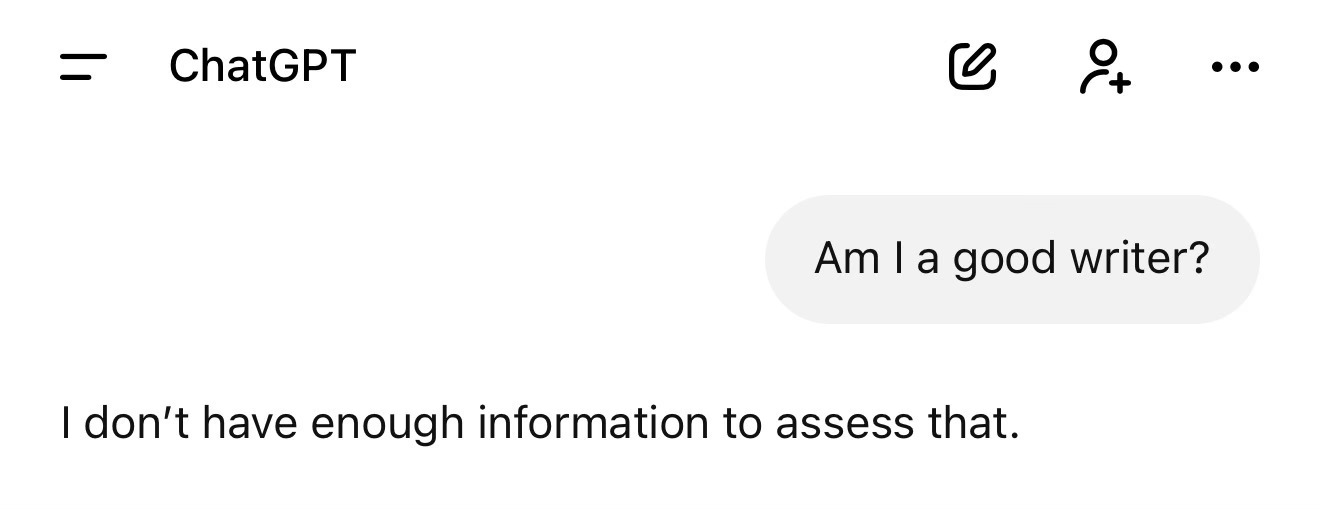
Hopefully in the future, that will also be good enough for me.
I urge you to read Karen Hao’s “Empire of AI: Dreams and Nightmares in Sam Altman’s OpenAI”. You can purchase it here
You can watch Connections (1978) here on YouTube
Goodbye, for now!
If you need me, envision me in the stark white Hammastunturi Wilderness Area in Lapland,

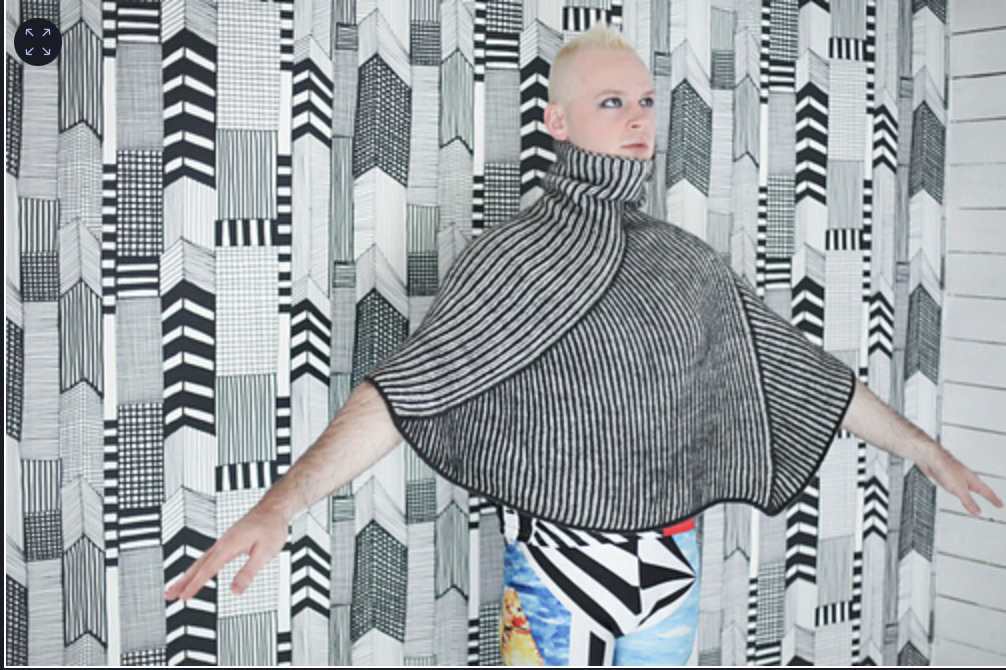
wrapped in various layers of winter-colored wools,
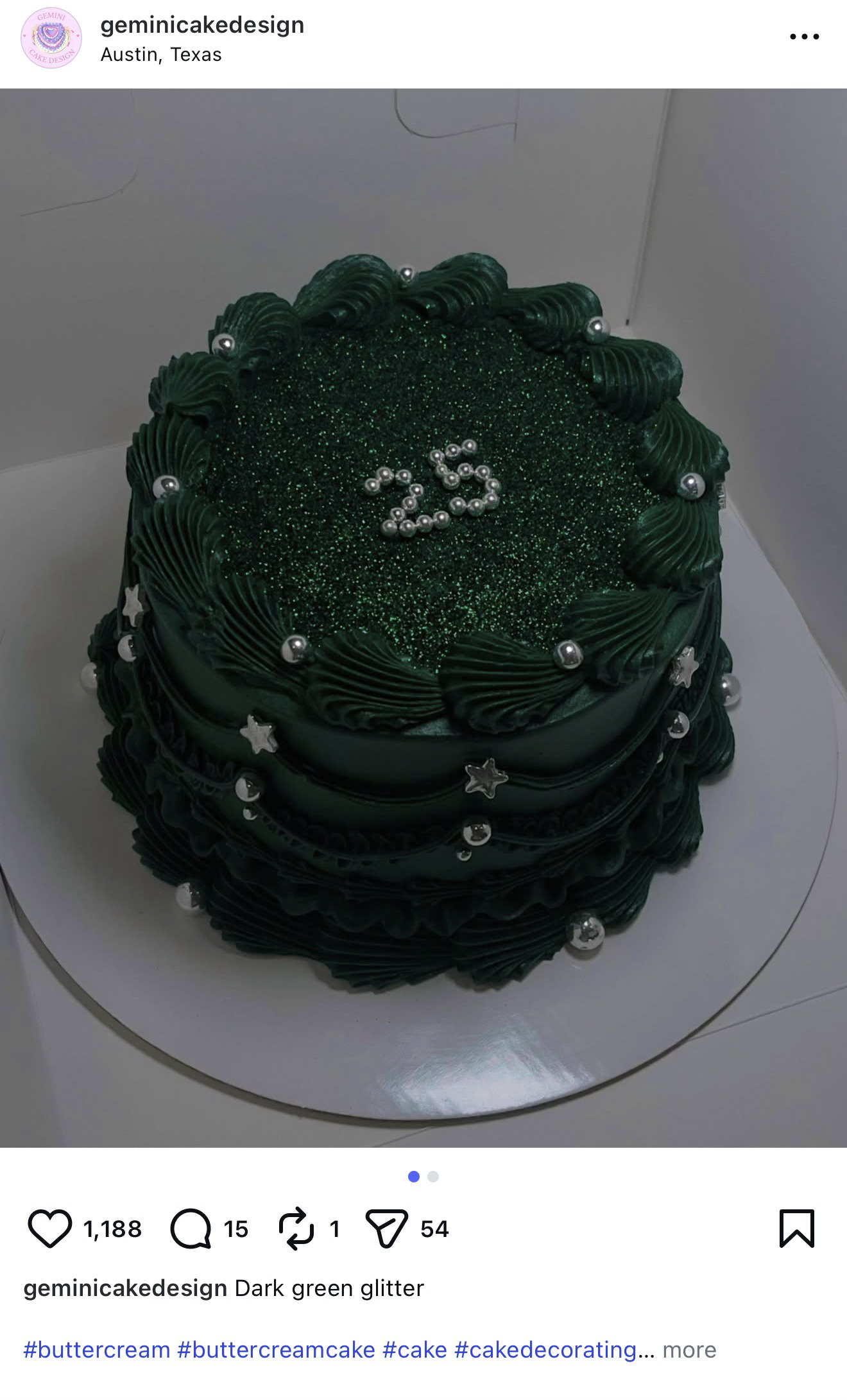
and eating this cake in the REAL Pantone Color of the Year:
Until next month…
XOXO Lurid Lauren
Thanks for reading, Lurid Lovers! This post is public, so feel free to share it.
https://www.wmagazine.com/culture/guillermo-del-toro-frankenstein-costumes-kate-hawley-interview ↩
Yes, I consider Victor the antagonist in the film due to his egoism, neglect and cruelty. ↩
I used to follow an account on Tumblr that took vintage sewing patterns and created comedy narratives based on the bizarre posings. I have not been able to find it in the years since, and would be through-the-moon grateful if someone knew of an archive! ↩
https://ew.com/nicole-kidman-wants-you-to-meme-her-amc-ad-ill-do-anything-for-cinema-8747108 Girl, same. ↩
https://www.vulture.com/2018/06/comedians-look-back-on-20-years-of-the-del-close-marathon.html (It was certifiably insane.) ↩
Shrimp Tower - SNL ↩
https://www.cogneurosociety.org/how-memories-lessons-from-smartphone-studies/ ↩
https://neurosciencenews.com/brain-novelty-memory-information-29694/ ↩
Take it from my hours of personal research: there’s a lot of pop psychology around this term, folks. ↩
And perhaps the greatest fairy tale of them all: Zyrtec in lotion form. ↩
https://www.prdaily.com/grammar-girl-lays-out-new-ap-style-rules-for-x-ai-and-more/ ↩
https://www.wired.com/story/scientists-thought-parkinsons-was-in-our-genes-it-might-be-in-the-water/ ↩
https://www.latimes.com/archives/la-xpm-2009-aug-26-na-military-cancer26-story.html ↩
https://www.pbs.org/newshour/nation/reddit-sues-ai-company-over-alleged-industrial-scale-scraping-of-its-users-comments ↩
https://www.whitehouse.gov/presidential-actions/2025/12/eliminating-state-law-obstruction-of-national-artificial-intelligence-policy/ ↩
I was laughing as I tried to find this in my AI-assisted search. It wasn’t showing up! ↩
Although, apparently it is. The War Department Unleashes AI on New GenAil.mil Platform from the Chief Digital and Artificial Intelligence Office ↩
https://www.nytimes.com/interactive/2025/06/23/technology/ai-computing-global-divide.html ↩
https://www.cnbc.com/2025/06/25/meta-llama-ai-copyright-ruling.html ↩
https://mitsloanedtech.mit.edu/ai/basics/addressing-ai-hallucinations-and-bias/ ↩
https://www.forbes.com/sites/larryenglish/2025/06/26/the-rise-of-false-ai-insights-when-more-data-means-more-problems/ ↩
“Jobs for the Bots” The Economist. December 6th-19th, 2025 ↩
Covid never ended, but that’s another Lurid essay. ↩
https://www.forbes.com/sites/bernardmarr/2024/08/15/ai-overhyped-fantasy-or-truly-the-next-industrial-revolution/ ↩
I found one caption in particular fascinating—it was of a child’s interpretation of copyright infringement (cited as a 15-year-old student and artist, Ash Jackson). Jackson thinks claiming AI-generated art as your own is the equivalent of stealing art. It’s also interesting and quite telling of our backsliding time that a female child’s perspective was not cited as that of a child. ↩
https://www.technologyreview.com/2023/09/28/1080352/why-the-dream-of-fusion-power-isnt-going-away/ ↩
https://www.scientificamerican.com/article/what-is-the-future-of-fusion-energy/ ↩
https://www.bbc.com/bbcthree/article/966b1bdd-69ff-4de0-9c39-d9276eba706b ↩