The February 2026 Lurid Things
A tall, refreshing glass of lurid for ya.

Greetings, Lurid-heads? Lurid-ers? Luridians? L-Things?
I started peeping Korean again (it’s been about 20 years since my friend taught me the alphabet, and finally watching K-Pop Demon Hunters was just the push I’d needed to revisit). I was trying to explain to my husband the frisson of excitement I felt when I understood that the shape my mouth made corresponded exactly to the shape of the consonants I was learning and found myself falling short of any kind of clarity. “Like the letters…they don’t sound like the consonants, but, like, you feel the way they sound?” I felt a bit crazy that I wasn’t able to articulate the sensation properly (it was also midnight), and I started to doubt I’d been sure in the first place.
I felt vindicated a week later (against myself?) when I encountered the term on a trivia question:
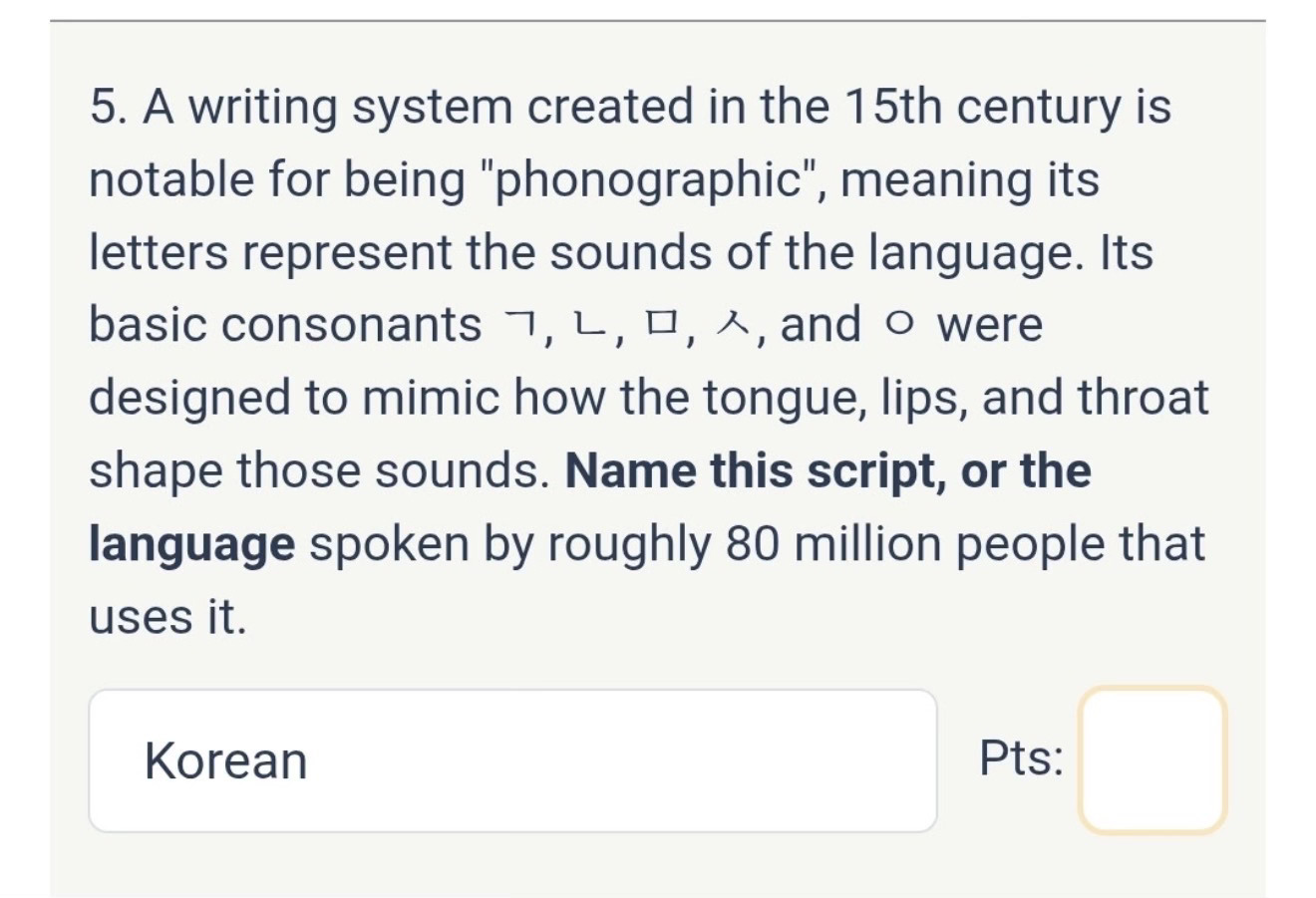
Phonogram. I’d known this instinctually (despite my apparent lack of background in academic linguistics), yet still gaslit myself. It was almost funny how quickly I’d done it, like a habit, almost, like I’d spent a lifetime habitually disregarding my own thoughts and feelings and, more often than not, my own certainty.
This month’s Lurid Things is dedicated to the dirty snow that began to pile up before the rain last week washed it all away. We all saw it, and even with the fresh snowfall, we hadn’t forgotten its grossness. I suppose that’s the thing about dirt: sometimes we forget it’s there, but then it gets everywhere and you can no longer deny it, as it’s ruined simple, innocuous things, like say, snow angels.
Without further ado…
Merriam-Webster defines ‘lurid’ as:
Lurid: adjective (lu· rid) ˈlu̇r-əd1 a: causing horror or revolutionb: melodramatic, sensational2 a: wan and ghastly pale in appearanceb: of any of several light or medium grayish colors ranging from yellow to orange3 shining with the red glow of fire seen through smoke or clouds
February’s Lurid Things:
(Music) Can We Pretty Please Let hemlocke springs’ Sophomore Album, the apple tree under the sea, Be Nothing but Itself?
(Science) Give That Girl Some Flowers! Or, Einstein’s Right Again: Finally Photographing the Terrell-Penrose Effect
(Book) “He Chose You, Honey! From All the Women in the World”: Bethany C. Morrow’s Supernatural Horror, The Body
(Art) Thundering, Effectual Simplicity: The Art Direction of Retirement Plan and Two People Exchanging Saliva
(Sensation) The Peacock With Its Head in the Sand: Sanity During Polycrisis
(Movie) Were There Leeches on the Baseboards?: Emerald Fennell’s Horrifying “Wuthering Heights”
(Object) The Epstein Files
Sip. Sip. Sip.
(Music) Can We Pretty Please Let hemlocke springs’ Sophomore Album, the apple tree under the sea, Be Nothing but Itself?
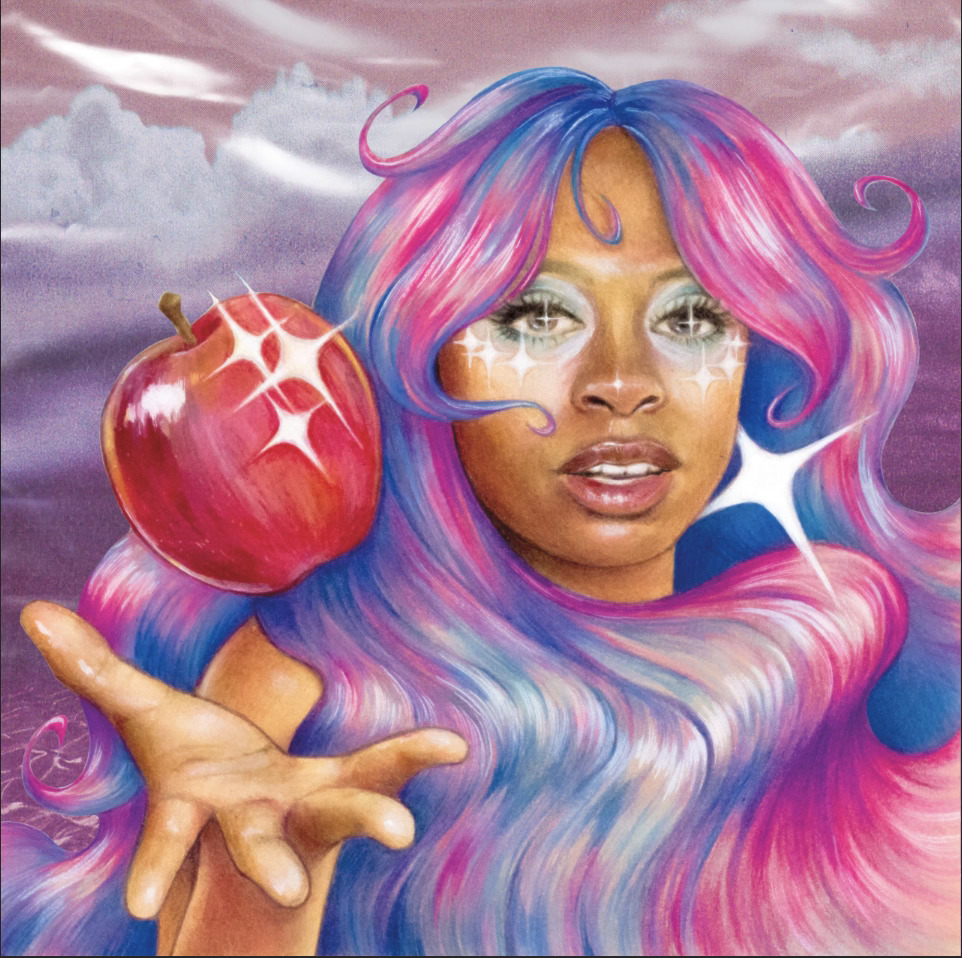
I remember when I first heard hemlocke springs’ (Naomi Udu) “girlfriend” on Instagram back in 2022. The song was overlaid over some unrelated visual nonsense, but my jaw nonetheless dropped. The song was so fun and fearless, and I thought, “Who is THIS?!”
If I had to classify the track, I’d say it has a stylistic semblance to Santogold, Janet Jackson, Marina and the Diamonds, Cyndi Lauper, Kate Bush, Enya, Architecture in Helsinki, and this glorious, experimental dynamism all its own. I think it was that very same experimental dynamism that led me back to hemlocke springs four years later on February 13 for the release of her second album, the apple tree under the sea.
“I grew up very religiously — Christianity is very pertinent in Nigerian culture and the Black community — and I was also obedient to my elders,” hemlocke says about her childhood in Concord, North Carolina. “This album starts with a character going through the desert who says, ‘I’m going to do your will.’ They could be saying it to God or a man, but then they come across the apple. It’s about me being in this bubble, and realizing that being in that bubble was tougher than I thought, and then finally getting out and exploring who I really am.”
-hemlocke springs, in an interview with Alternative Press, October 2025
hemlocke went on to Dartmouth College for her masters, and it was during this time period that she began releasing music onto SoundCloud that would later appear on her current album.
Now that she’s not a grad student procrastinating her way into viral hits, hemlocke springs is a pop phenom-in-waiting. She’s taking crumbs of Prince, CHVRCHES, Timbaland, Depeche Mode, and Kate Bush and cooking full meals with them. What I’m getting at here is: the apple tree under the sea could have been a simple, by-the-numbers debut, but with Udu in the driver’s seat, we get sugar plums colored outside the lines by breakbeats, punk streaks, and timeless, playful pop tricks instead.
-Matt Mitchel for Paste Magazine, February 12, 2026
It’s funny; while doing background research, I came across a common theme that Mitchel touches on in the above quote. It was something that I didn’t fully understand but had always noticed: a tendency across the industry to box music artists into specific, identifiable categories. It seems antithetical to artistic experimentation, and perhaps because hemlocke is such an innovator, it was all the more apparent in her media coverage. Which is why it felt all the more fitting that Chappell Roan, another artist who has been boxed into a queer “pop” label, interviewed her for Nylon Magazine this past month:
CR: Do you feel uncomfortable when people tell you you are tapping into a different genre?
HS: Yeah, I do.
CR: Why?
HS: When I was doing my music, I guess I thought [it was] general pop, but I didn’t really think of it until I got in the industry and [they were] like, “Oh, you’re so quirky. You’re so unique. You’re doing this; you’re doing that.” I’m like, “I am?” It almost adds an invisible layer of pressure to keep it going, even though I never thought about it before, so why do it now? It’s hard to tune it out sometimes.
CR: Do you feel boxed into something?
HS: A little bit. I feel boxed into weirdness, which is weird because I never thought I was a weird person. I don’t really think I’m doing anything different.
In the spirit of the industry labeling hemlocke as “weird,” my favorite track of her new album is what some might classify as the album’s “weirdest”: “Head, Shoulders, Knees and Ankles.”
It’s a POV-bouncing, maniacal song that audibly veers off its tracks (with some actual banging and dropping of what sounds like a metal bucket down a ladder at the 1:59 mark) into a harpsichord-laden rhapsody of ardor and proclamation. You can almost see hemlocke in rococo attire foreswear former frivolty with a palm over her heart to her imaginary golden lady. A lady who’s disappeared beyond the shore of her other character’s nonsense.
the apple tree under the sea is an incredibly visual album that defies the traditional “concept album.” Some of the songs play off of each other, and some feel altogether unrelated, though somehow they all come together as cohesively as, say, an apple tree under the sea.
How would I classify it, you ask, in light of all this confusion?
Perfect.
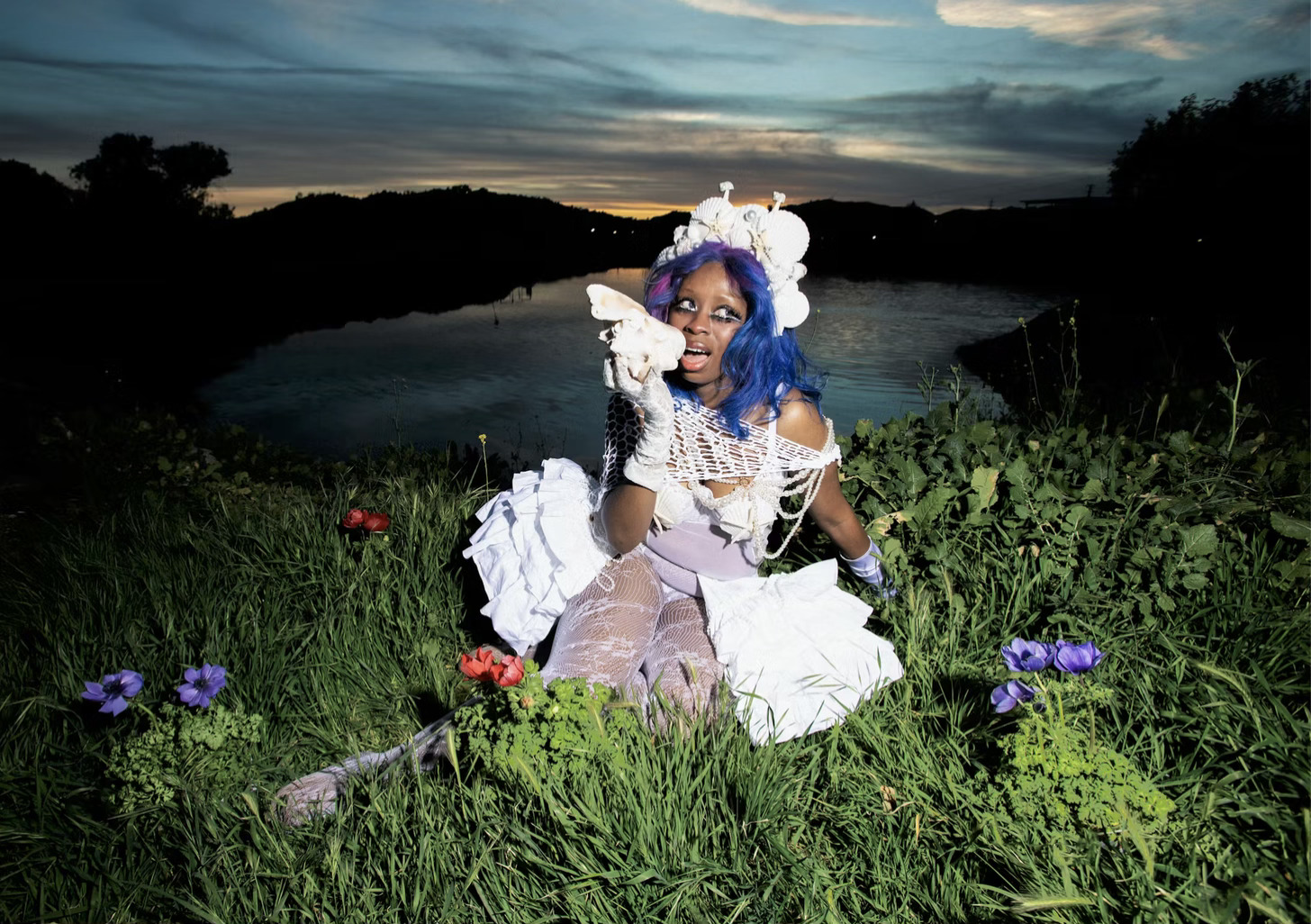
You can listen to the apple tree under the sea on Spotify
(Science) Give That Girl Some Flowers! Or, Einstein’s Right Again: Finally Photographing the Terrell-Penrose Effect
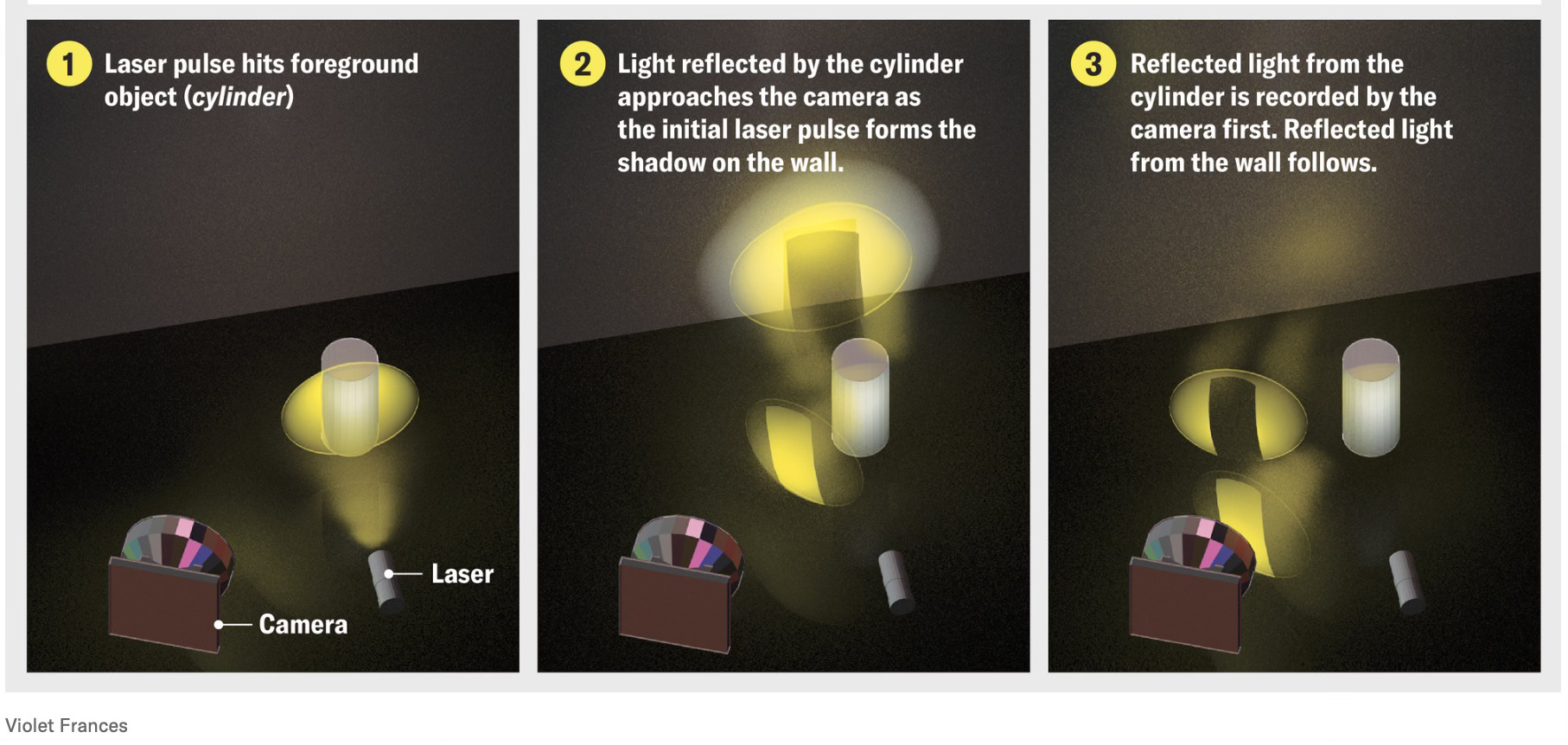
The physics world has had some big news this past year: Using ultra-sensitive cameras thanks to the SEEC photography project, Victoria Helm, Enar de Dios Rodríguez, Thomas Juffmann, and Philip Schattschneider of the Vienna University of Technology were finally able to photograph and thus prove a previously untested theory from 1959. According to Einstein’s theory of relativity, when objects move close to the speed of light, there are observable unusual effects compared to objects at rest, or a contraction, called the Lorentz contraction. The Terrell-Penrose effect takes this one step further, theorizing that objects moving near the speed of light appear rotated, not visibly compressed or contracted like theoretical physicist Hendrik Lorentz predicted in 1920,1 because of light bouncing off the object at different relative speeds.
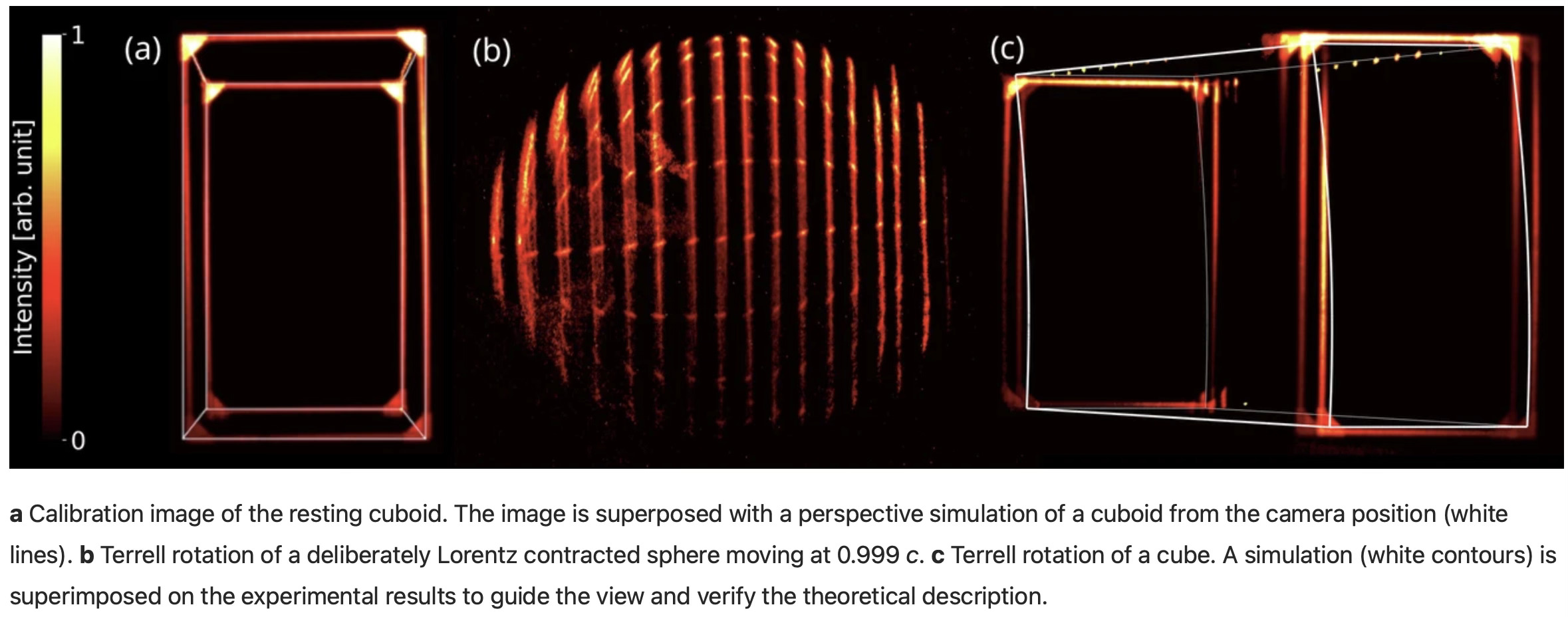
Why is this discovery important? Firstly, it means that I was made aware that there’s a measurement called a picosecond (0.001 billionth of a second), and secondly, it means that as our technology continues to improve, we are closer and closer to testing more of Einstein’s more abstract theories, and perhaps closer and closer to formulating some new ones of our own as well.
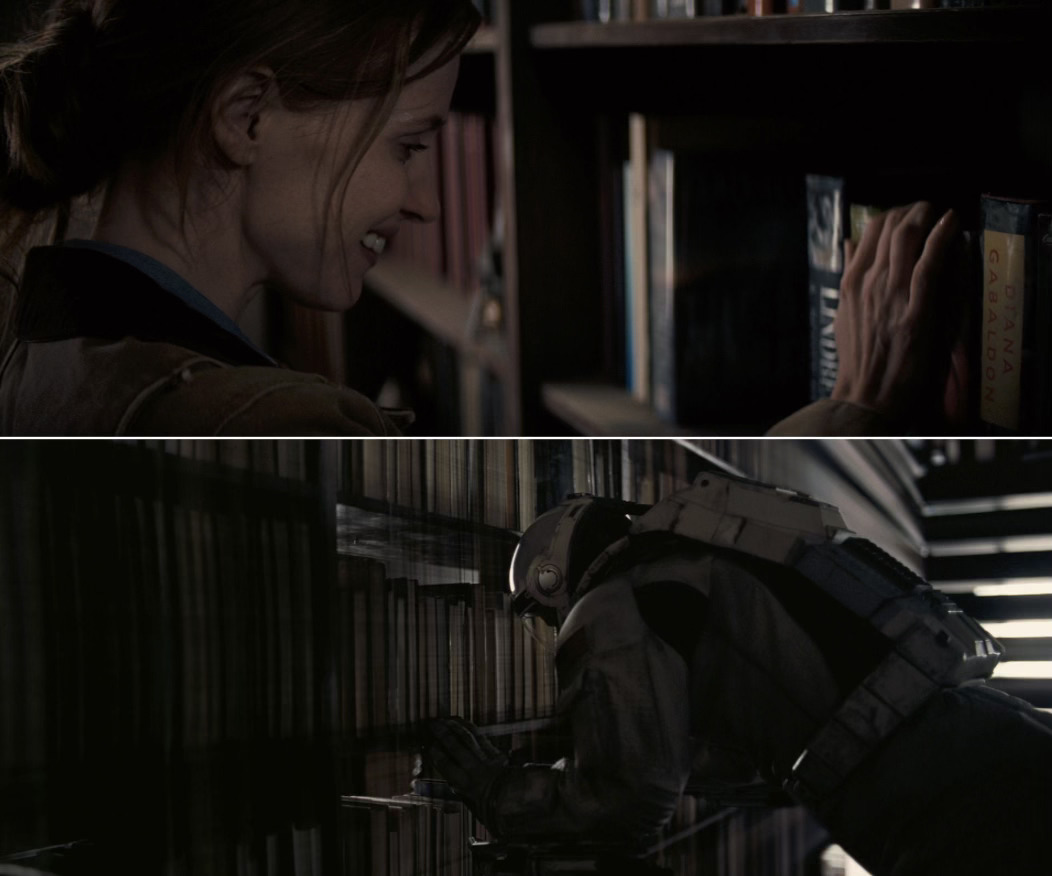
I’m looking at you, quantum gravity! I want you S O L V E D, and yesterday.
You can read the original paper here
(Book) “He Chose You, Honey! From All the Women in the World”: Bethany C. Morrow’s Supernatural Horror, The Body
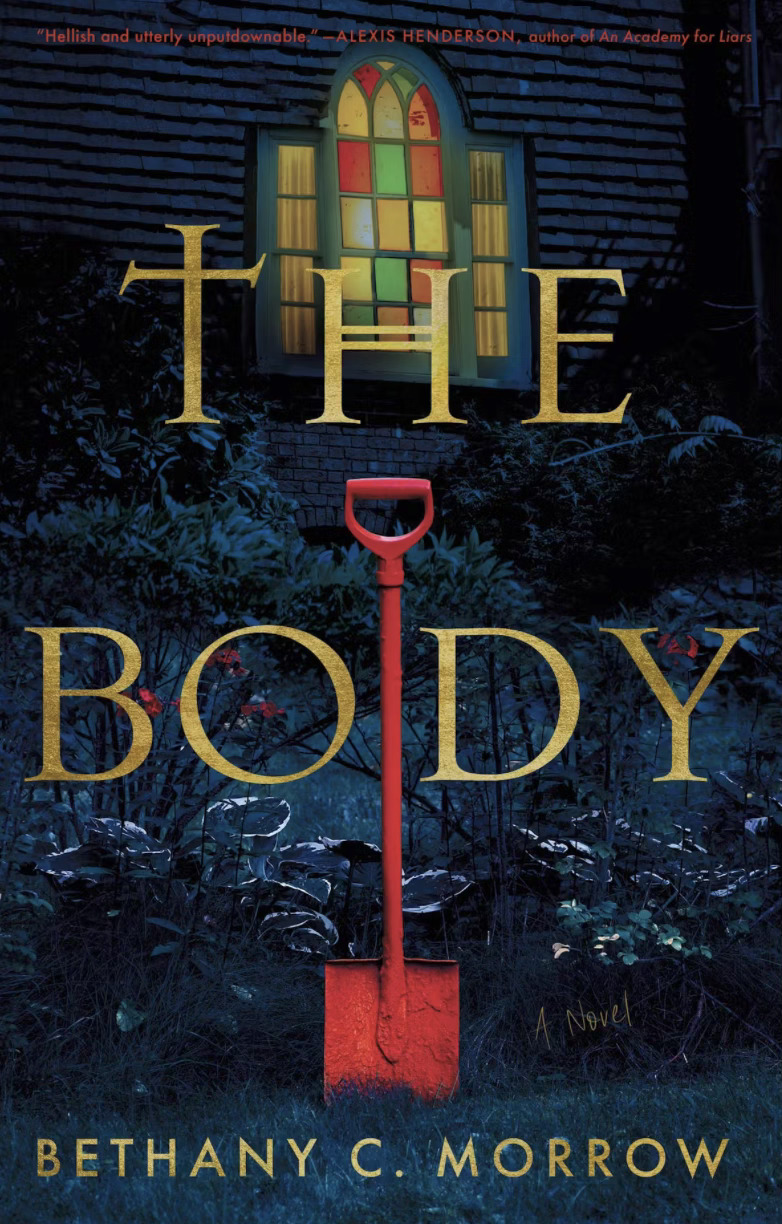
It starts with a car crash and a head full of taloned, vicious thoughts. Our protagonist Mavis comes to, worried about her husband, his reaction, and then when he picks up the phone before responders use the Jaws of Life to free her, she feels relief that he’s worried. It’s the first odd note in the story, and readers are left to wonder, why is she so relieved that her husband was scared to lose her? That would be a normal reaction for a loving, devoted husband, right?
Right?
I was electrified from the first page. Morrow manages to lead us on a supernatural, church-wielding horror that made me gasp out loud with each subsequent plot twist. Just when I’d thought I’d figured out what would happen next, Morrow showed me that I most certainly did not, and would not until the very end. I really admired Morrow’s world-building, giving me the immediate structure to Mavis and her husband’s spiritual beliefs right up top, so that when the supernatural crazy began to hit the fan, it was all the more satisfying for having known the law of the land to begin with. The Body asks what solace can you find in a faith-based structure that is designed to keep women small and subservient, and what cost do you, as a woman, pay to stay inside those very lines and thrive. It also gave me all the creepy Rosemary’s Baby vibes, and perhaps the best depiction I’ve read of relationship-cheating PTSD possibly ever.
You can purchase The Body at Barnes and Noble and Bookshop.org
(Art) Thundering, Effectual Simplicity: The Art Direction of Retirement Plan and Two People Exchanging Saliva
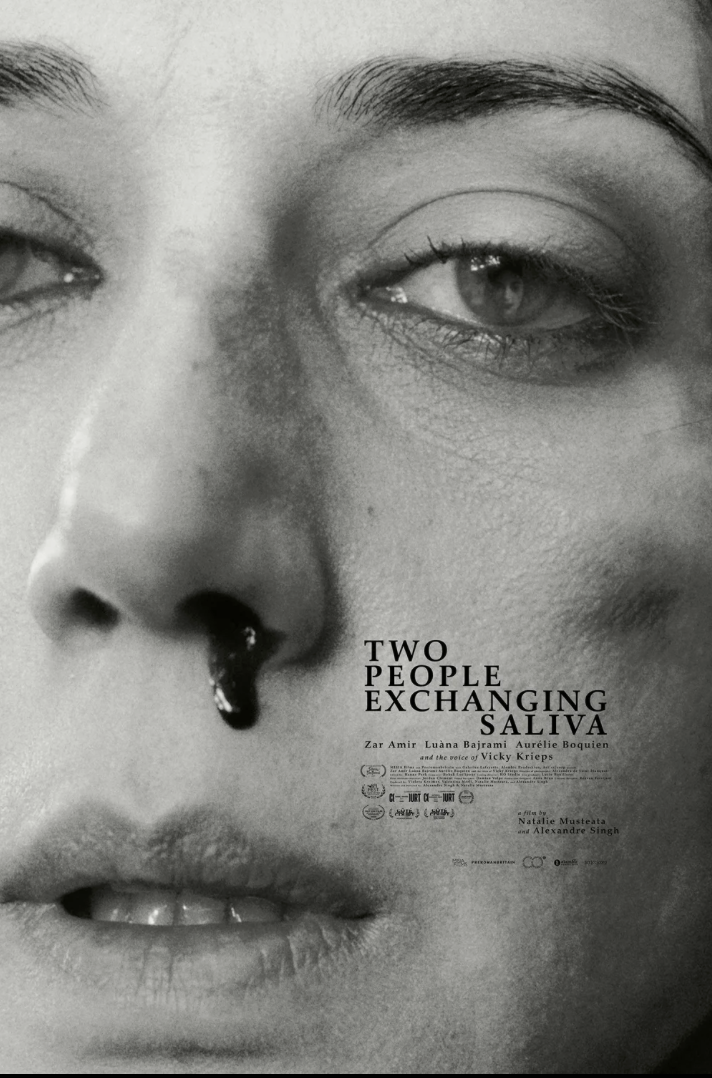
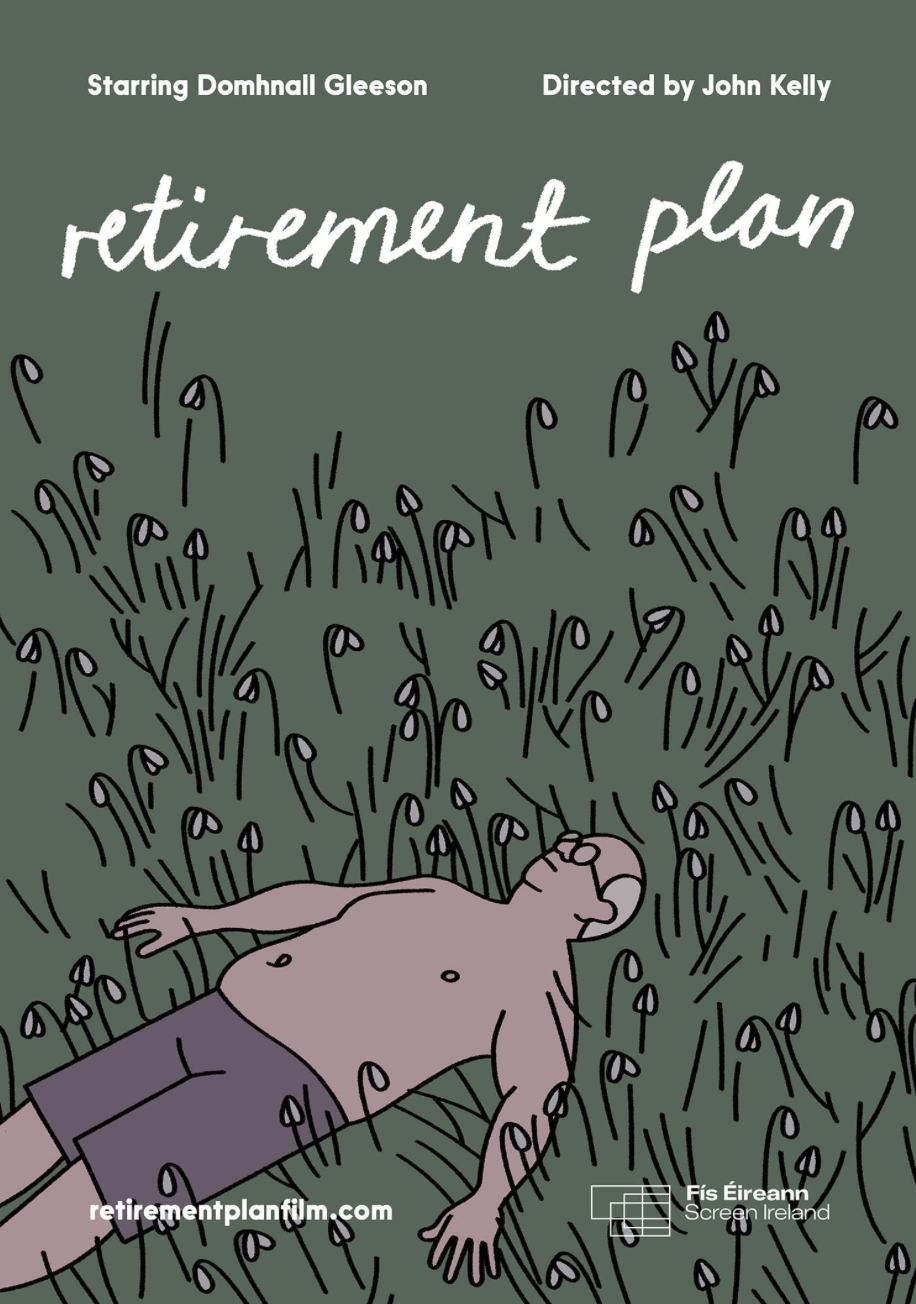
Both films are nominated for the Oscars.
I was unable to attend a joint screening of these Oscar-nominated shorts due to the snow, but I had the luxury of watching both of these shorts in the privacy of my home, and consequently, next to my pen and a pad of paper. I found myself grateful that I was able to jot down my thoughts as they flowed, as both shorts served wallops in bite-sized punches.
Retirement Plan is a moving, uplifting, 7-minute animated short directed by John Kelly and voiced by Domhnall Gleeson, and Two People Exchanging Saliva is a 36-minute French powerhouse of a surrealist, dystopian thriller from the duo of Natalie Musteata and Alexandre Singh. At first glance, the two short films have very little in common: one is set in Ireland, and the other in dystopian, black-and-white Paris. What unites the two films, I found, was the effectiveness of their simple art directing.
In Kelly’s Retirement Plan, ‘Ray’ (voiced by Gleeson) begins to list and act out all the things that he plans on doing when he retires. It’s a mundane list that starts out silly, but then gradually turns poignant as we watch Ray begin to age. The audience begins to understand that Ray is voicing possibility, even as we watch him walk with a walker, then thrash about a hospice room, and then finally gasp his final moments, always choosing until he dies. Even after death, he is able to choose to haunt his childhood nemesis Diedre until he finally crosses over to the great oblivion. It’s a complicated concept that would have been lost, weighed down, or made too saccharine by complicated, overly colorful animation, but because of the simplicity of Marah Curran and Eamonn O’Neill’s work, it hits that sweet spot of delicate poignancy.
Two People Exchanging Saliva, on the other hand, is conceptually anything but simple. In a future world where goods are bought by a slap upside the face, and excessive emotional overtures get you arrested, bound, and shoved into a giant box and pushed towards your falling death, the art department had its hands full. Shot primarily in the luxurious Galeries Lafayette, Musteata and Singh could have taken note of their surroundings and given their film a lavish backdrop. Instead, they stripped the environment down to its essentials, so much so that the world-building of the story is quick, efficient, and so seamless you the viewer are immediately swept up into the pull of the story. Because the art was so simple, the bruised faces of the elite surrounding Malaise were all the more evocative. Even the bejeweled glove that Malaise must don to slap Angine repeatedly for her purchases was not over the top: there were just enough jewels on the glove to evoke wealth, but not so many as to overwhelm the focal point of the scene. Angine is slapped repeatedly to ecstasy by her would-be, forbidden lover, and all the adornments around her frame fade away so that we focus on the black and white of the tale: what lengths will we go to for intimacy, and what painful costs are we willing to pay to feel it.
You can watch Retirement Plan here
You can watch Two People Exchanging Saliva here
(Sensation) The Peacock With Its Head in the Sand: Sanity During Polycrisis
I was at a friend’s baby shower recently and found myself in a discussion about the Present Times. Many of the faces of the women at my table, who up until that point had been pleasantly engaged, catching each other up on the minutiae of their days, went slack. Then my friend sighed, gave a laugh, and turned to me with the expression of one who was feeling a conflicting bit of shame:
“I had to stop paying attention every day to the news. I couldn’t handle it.”
An immediate sense of relief washed over the table, and that haunted look in everyone’s eyes vanished as each of us confessed to the different points in the last year in which we’d had to take a break because continual engagement with the horrors had reached high levels of self-abuse. This feeling was such a universal notion that there were numerous think pieces published on the topic in the last year. One in particular by Scientific American was helpfully proactive, explaining that what was happening is a psychological flooding tactic to make people doubt their own reality. 2
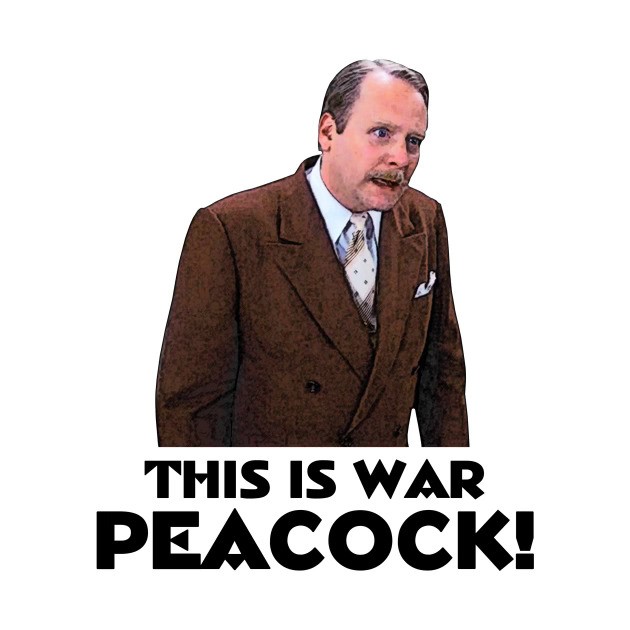
In order to show up for our friends, neighbors, and communities in ways that matter, we have to take care of our mental health first. If that means logging off and watching the newest drop of Bridgerton episodes in a back-to-back binge session that involves an unmentionable amount of sugar on a spoon and a hand-sized tub—and then something salty because you have to balance it out, and then follow it with something sweet again because it got too salty, and not in the way that’s good but, rather, excessively salty—look I’m not going to cast the first stone.
It’s biblical enough out here.
(Movie) Were There Leeches on the Baseboards?: Emerald Fennell’s Horrifying “Wuthering Heights”
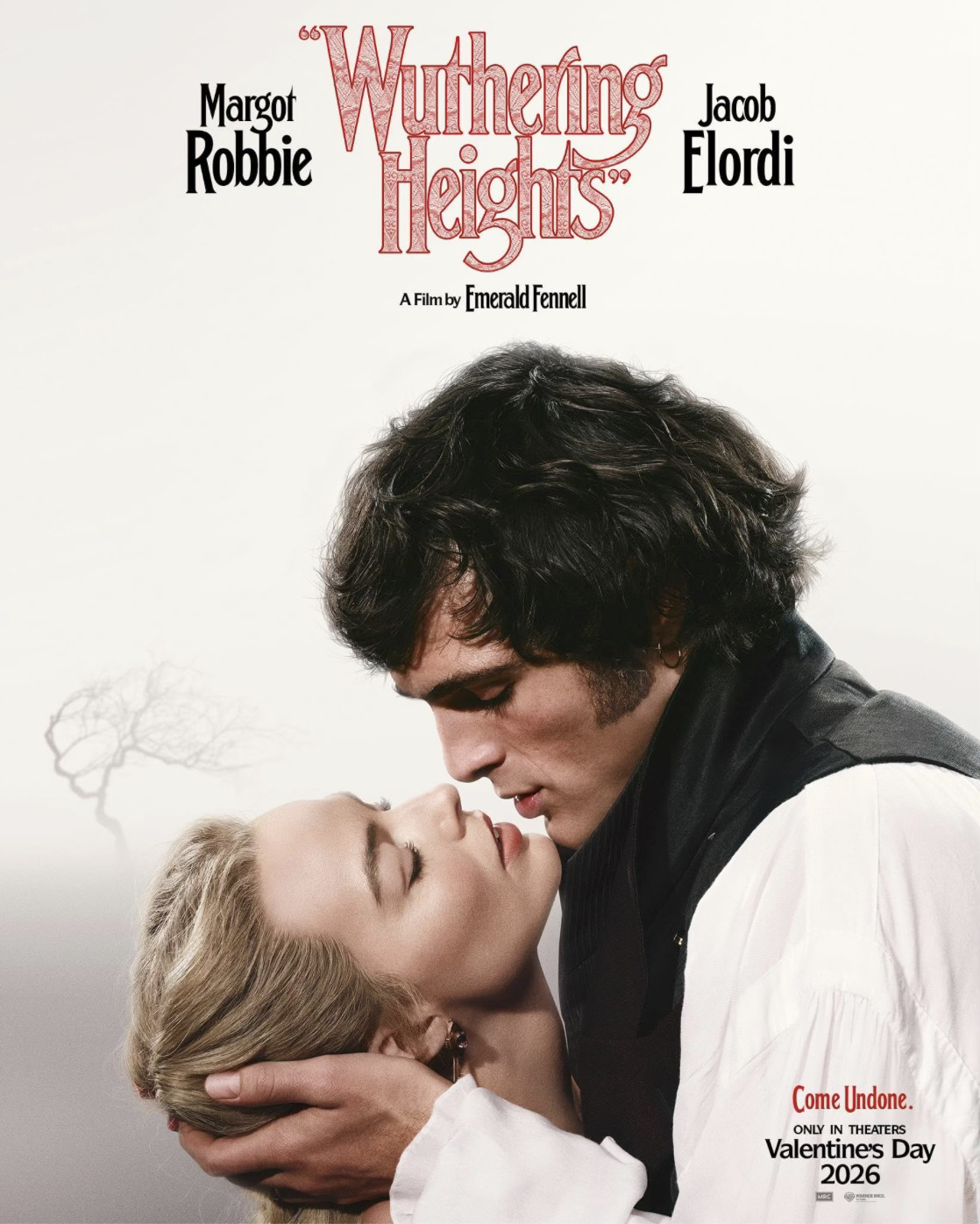
On February 13, my husband and I went to see “Wuthering Heights” in theaters, so I can confirm that Emerald Fennell did indeed make a film.
There’s been a lot of discourse in the media surrounding Fennell’s movie. Some of the common complaints are as follows:
It’s not a faithful adaptation.
It’s not enough of an unfaithful adaption.
Emerald Fennell, a white woman, nipped out of the thorny (yet essential) discussion of racism and colonialism by casting someone who looked like the white male lead on the cover of the book she read at age 12.3
The movie is garish and without substance.
The movie is not garish and without substance enough.
Etc.
Do you see where I’m going with this? The only other adaptation I’ve seen was by Peter Kosminsky, another white guy, who also cast a white guy (Ralph Fiennes) as the lead. He also did quite a bit of chop chop chop to the source material, but I don’t remember anybody saying anything about that (though, to my credit, I was also a child who hadn’t learned how to read yet). Now, before the horde of literary gals come for my first bullet, I have to confess that I—nervously clears my throat—I have not read Wuthering Heights.
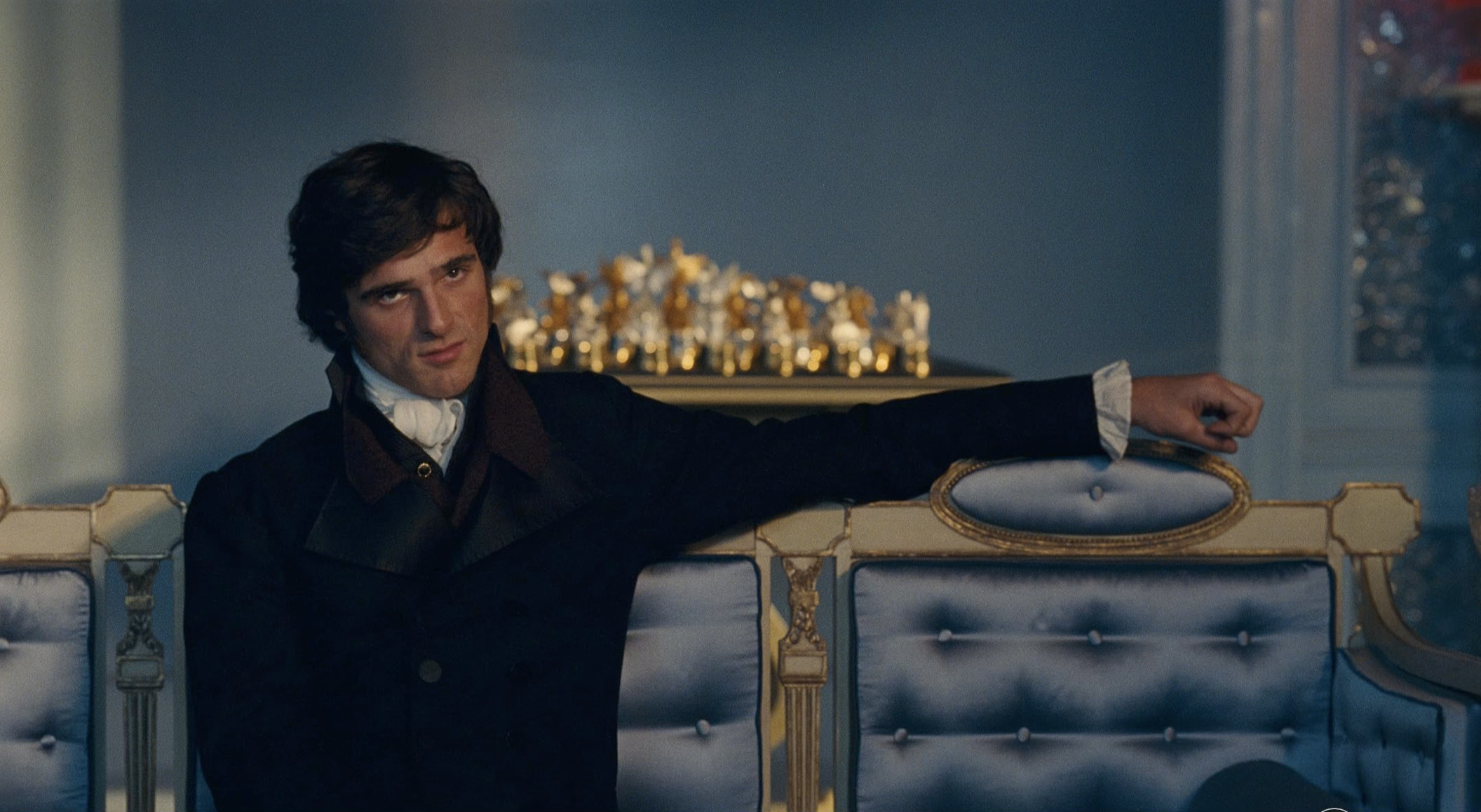
This particular point of shame also uniquely establishes me as someone perhaps better equipped to evaluate the film for its merits alone. Justin Chang’s New Yorker critique did a fabulous job of just that in his “Emerald Fennell’s ‘Wuthering Heights’ Never Plumbs The Depths.” I won’t add insult to injury by trodding onto his already well-analyzed and well-trodden ground. I will, however, bring up a point that I haven’t seen elsewhere online, which is that I think Emerald Fennell didn’t intend for this to be a romantic movie or a faithful adaptation at all, but rather an erotic horror film.
Like the rest of her body of work.
According to studio binder, a horror film is a film that is intended to:
scare, shock, and thrill its audience. Horror can be interpreted in many different ways, but there is often a central villain, monster, or threat that is often a reflection of the fears being experienced by society at the time. This person or creature is called the “other,” a term that refers to someone that is feared because they are different or misunderstood. This is also why the horror genre has changed so much over the years. As culture and fears change, so does horror.
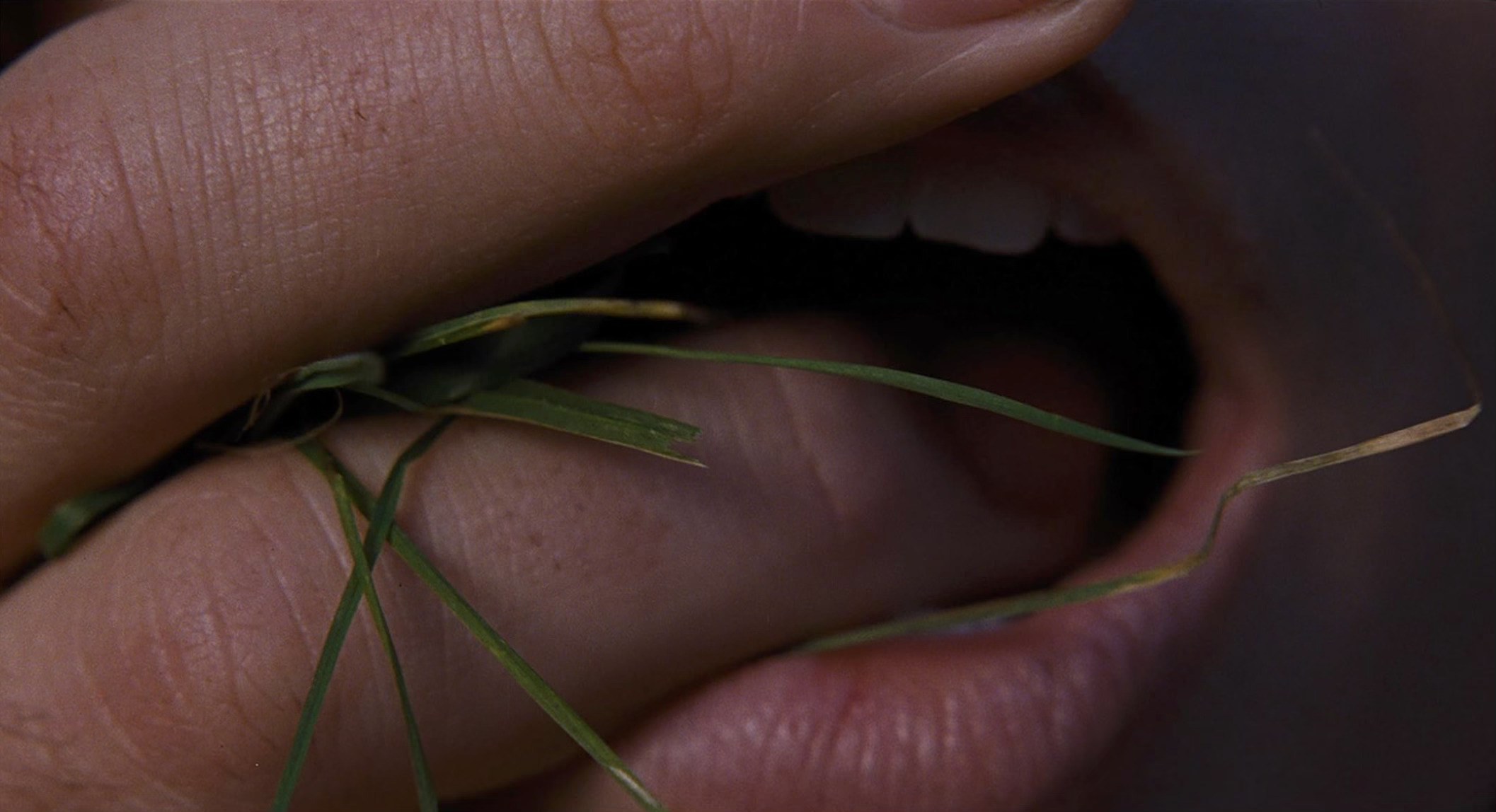
Most of the reviews I read accused Fennell of using empty, shocking visuals to create an effect in her audience. But are they empty and without purpose? Is that not what a horror film does? If we look at the film through a horror lens, the movie opens to black with audio that could be the sound of a man masturbating on a mattress. That thought is quickly dispelled when the picture cuts to a fully erect man hanging to death in front of a salivating crowd. It is a shocking visual, and we the audience are proffered with the terrifying thought that perhaps desire and violence are two sides of the same coin. As the man finally dies, the crowd onscreen erupts into orgasmic intensity; even a nun’s eyes roll back into her head in ecstasy. If Fennell’s movie was grossly mislabeled (potentially even by herself), does it make sense that Fennell’s monster is the beastly force inside that sexual repression makes in an already cruel, surreal society? If her movie is a horror (again, like her other films), then her colorblind casting of Linton and Nelly feels less like a slapdash, apologetic choice, and more a completely tone-deaf focus shift to an altogether different thesis: a surreal, cruel world that denies human pleasure begets a world of worser, crueler, and more surreal outcomes. It’s not what Brontë’s Wuthering Heights is about at all, and perhaps not a movie we need right now in light of the current global political climate. I’d like to point out (but not excuse) that Fennell is doing what hundreds of white male directors have done before her: chop the hell out of a classic to make a story that fits into their body of work because true, auteur filmmaking is extraordinarily expensive unless you partner with a film production company (Warner Bros. Pictures) to bankroll you according to their company ethos (they made Barbie). A film production company that more likely than not has its own marketing department, which is in charge of the release date (Valentine’s Day) and the film posters ("The Greatest Love Story Ever Told”). Is that good? No. Is that fair? Also no.
I won’t defend Fennell’s choices any further because I don’t know her or the contents of her mind, but I will say that the criticisms lobbed at Fennell that I listed above can also be boiled down further into three repeating issues:
- Adapting major literary works to film: What constitutes a proper film adaptation?
- Sexism: Despite film industry promises, there are not enough opportunities for women directors to create the movies that they wish.
- Racism: There are not enough female BIPOC directors or representation onscreen like the industry promised us, so Fennell’s writing and casting choices are Saltburn in the wound.
The first issue is an endless, cyclical conversation that dips and dives into things like “What is the purpose of filmmaking?” which then invariably turns into a conversation about “What is Art?” and eventually lands into a discussion I don’t think I have the bandwidth to host and bang my gavel at once we break out the wine for “What even is reality?”
The second issue, however, is a little easier to tackle, as there’s been research done as recently as 2024 by the European Audiovisual Observatory4 (women were 24% of industry professionals in European film productions). In 2025, the USC Annenberg Inclusion Initiative concluded that women directors directed only 11% of the world’s top-grossing films.5
There are simply not enough opportunities for female directors, so some of the ire towards Fennell makes sense. If I had a die-hard adaptation of Wuthering Heights that I was itching to make, but with no resources with which to do so, I would be furious that the movie that got the big bucks was… the one where Cathy masturbates to a white Heathcliff behind a giant boulder.
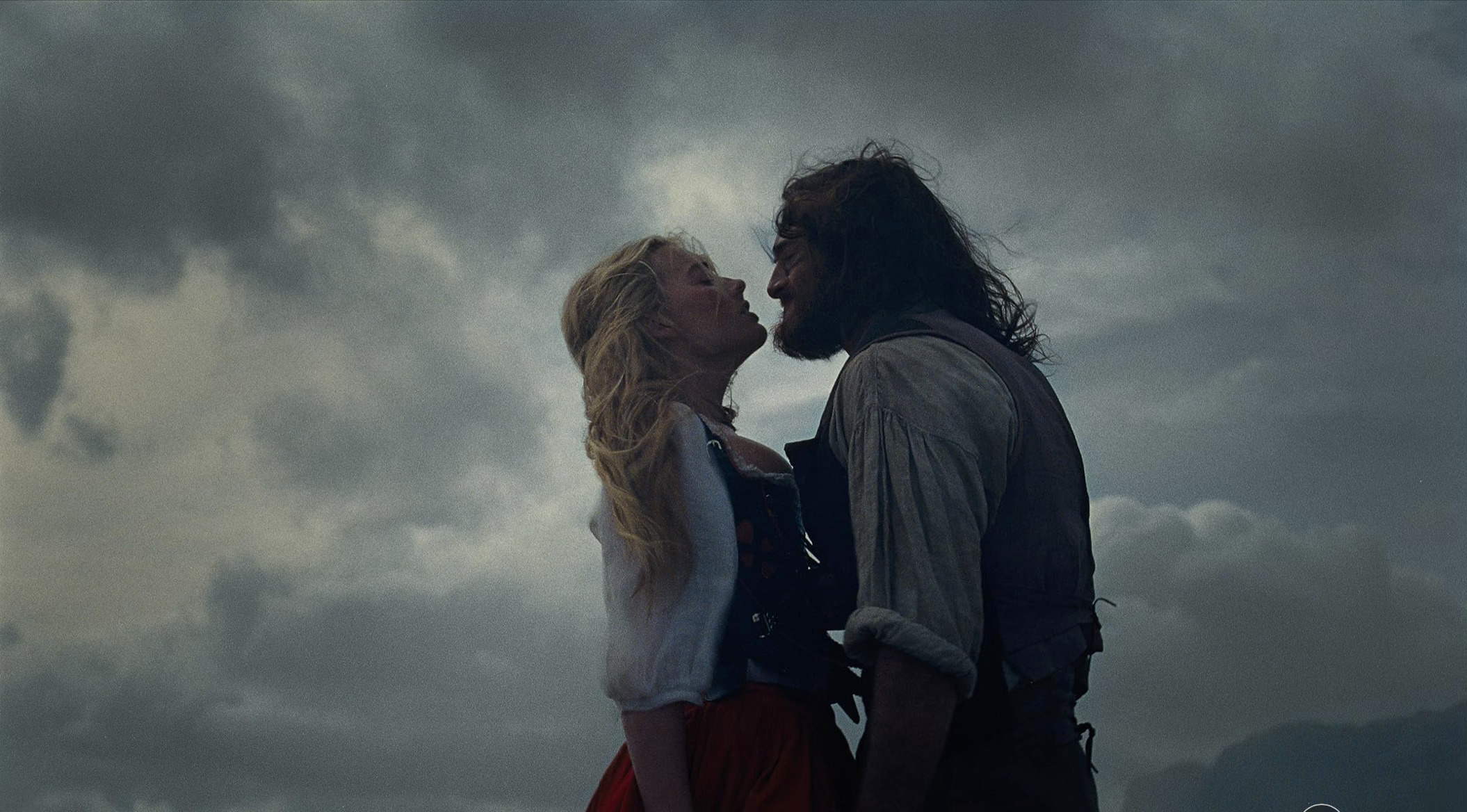
If I was a person that wanted the truest, most “pure” (ew, whole-milk vibes) version of the book distilled onscreen, I would also be furious. From the most cursory of searches of our dear, sweet internet, I have thus concluded that Emily Jayne Brontë did not write explicit, kinky sexual intercourse into her 1847 novel, Wuthering Heights. Instead, she wrote an explosive, unsettling novel that exposed the rotting structures of her Victorian world. Emerald Fennell took that universally acknowledged good book,™ ran it through the meat grinder Mrs. Lovett-style, and then threw some consensual BDSM in for good measure. I, too, would have been fuming after watching this.
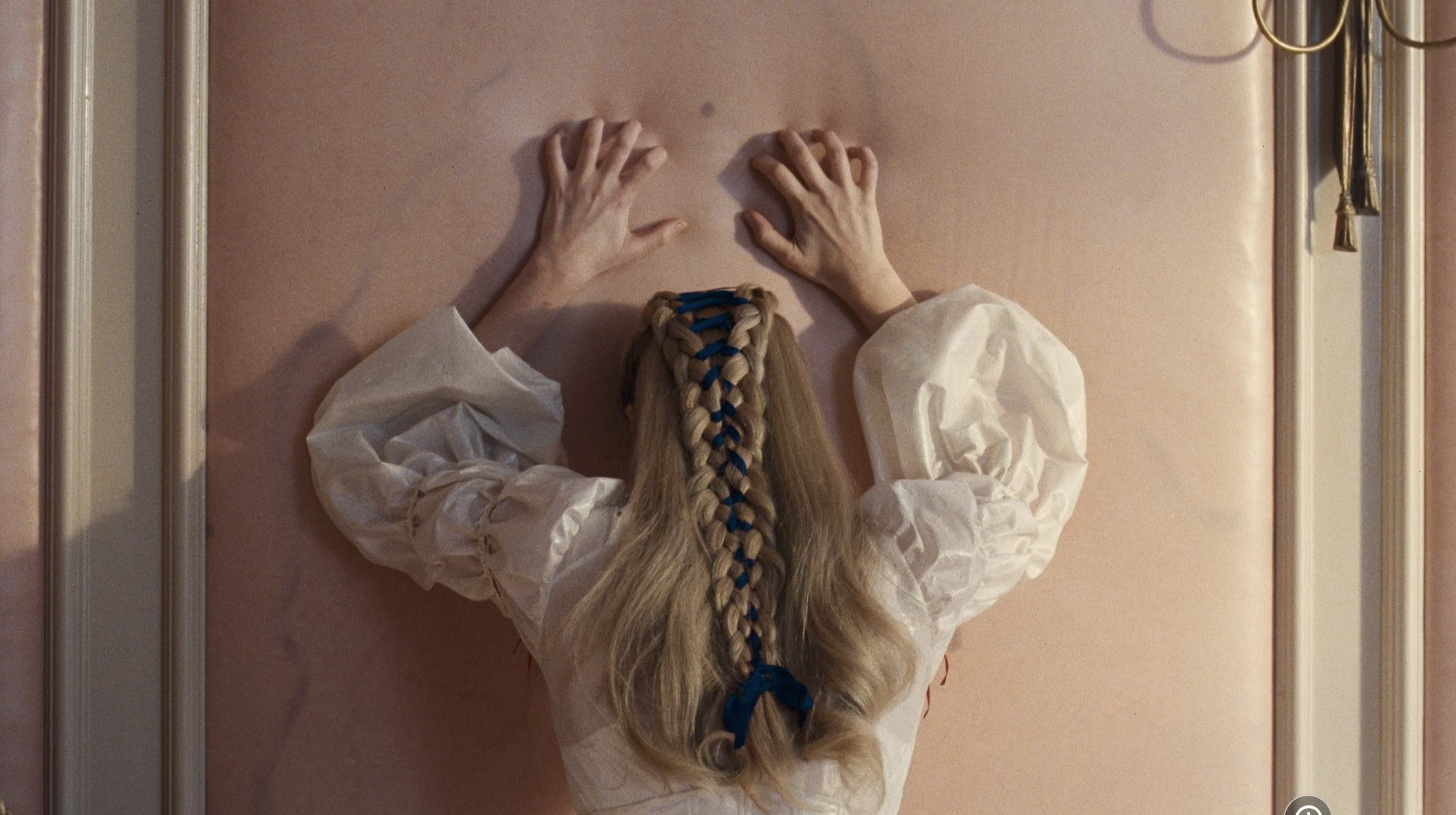
Which brings us back to our third and final, fuming issue: racism. There are simply not enough BIPOC individuals making studio movies with BIPOC representation. The UCLA 2025 Hollywood Diversity film report paints a bleak picture of a downward trend:6
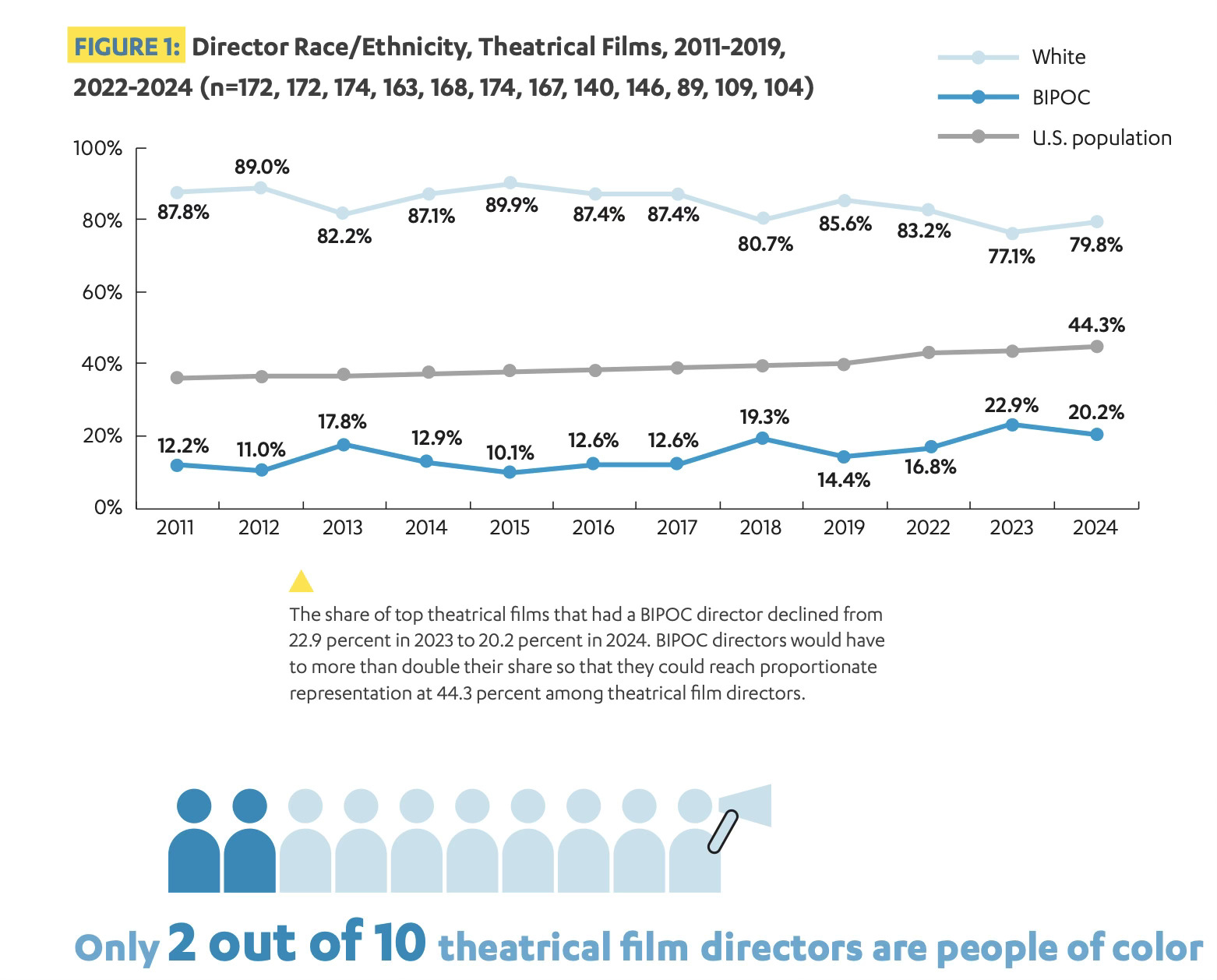
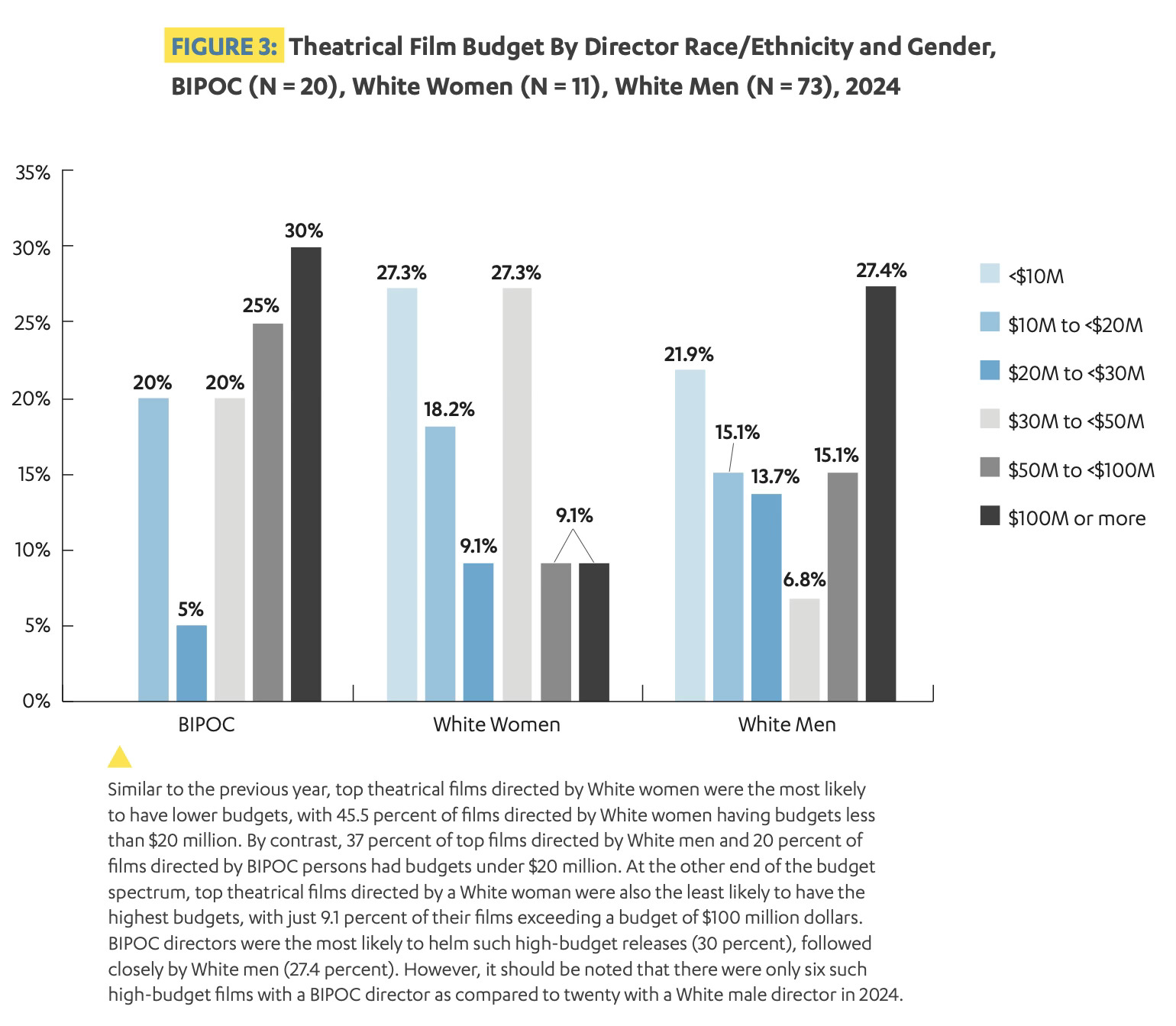
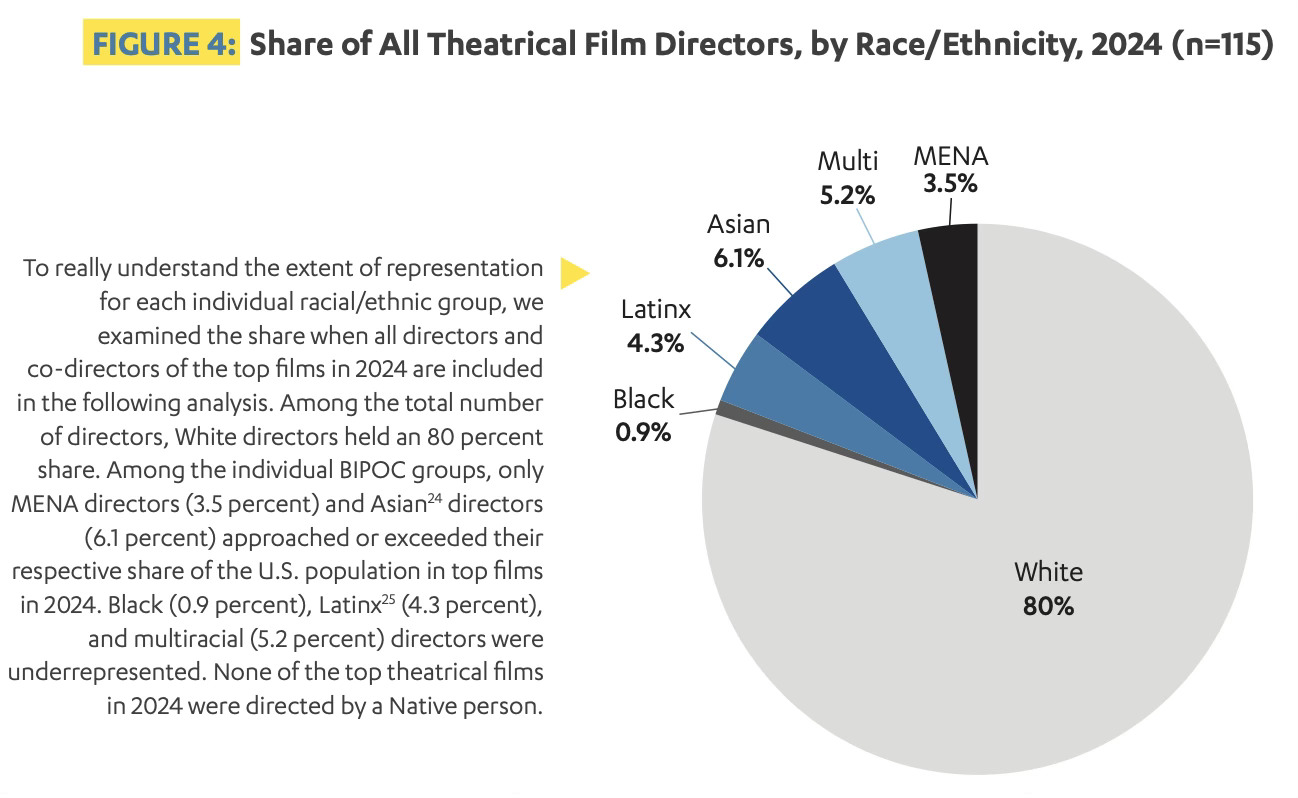
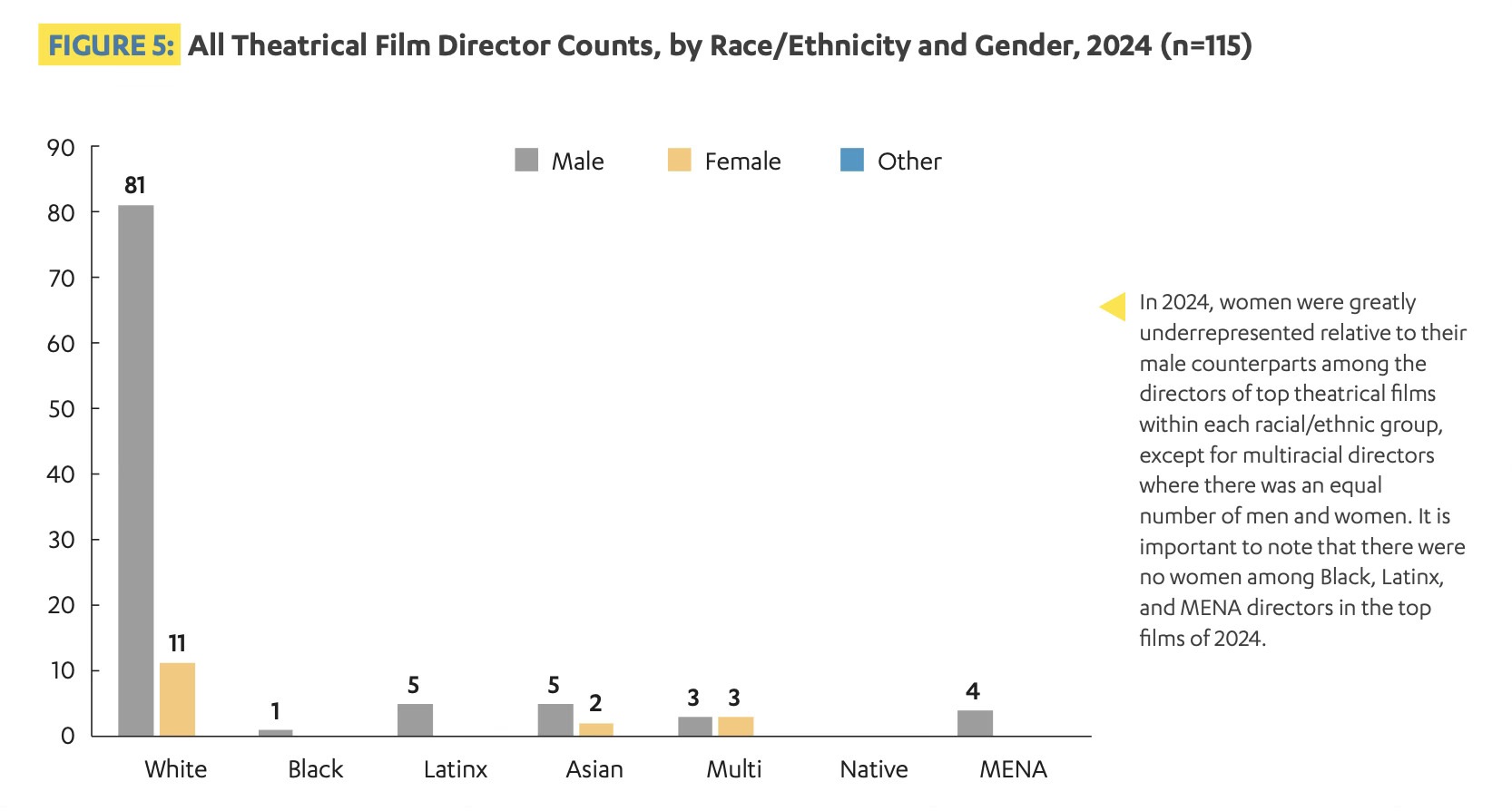
The statistics are objectively awful and unfair. It would have been incredible to see a version of Wuthering Heights that tackled the issues presented in the book, in light of the inhumane, unconstitutional domestic and international events that I’ll cover in another essay, and the whole other swirly swirl of modern-day horrors that make Wuthering Heights written during the height of British imperialism so evergreen. I would pay to see those underlying themes in a movie multiple times over (and then some) so that the filmmakers could continue to make more movies in that vein. However, that was not in the cards with “Wuthering Heights” because those themes are not covered in the films that Emerald Fennell makes.7 Should she cover those themes? That becomes another “What is the purpose of art?” conversation and “Who deserves to be an artist?” discourse that gets icky and sticky (and devolves into “Can we tell people what kind of art to make?” and what constitutes propaganda and religious iconography), but I’m of the camp that good art should reflect back truths, no matter how gooey, clumpy, and inconvenient, and that not acknowledging them is dishonest, like not owning up to leaving a cracked egg in the bedsheets.
(No, I’m not inserting that image.)
Was Fennell’s movie, therefore, dishonest? If we take the aforementioned supposition that “Wuthering Heights” is a surrealist, kinky horror film, never intended to be the loyal, tried-and-true adaptation perhaps the world needed, then maybe not. In that vein, it does beg the question, why are we expecting anything different and more from a woman named Emerald who displayed a bloodied dollhouse in front of a woman who recently played America’s Favorite Doll inside of a dollhouse with a ceiling that looked like frosted glass?
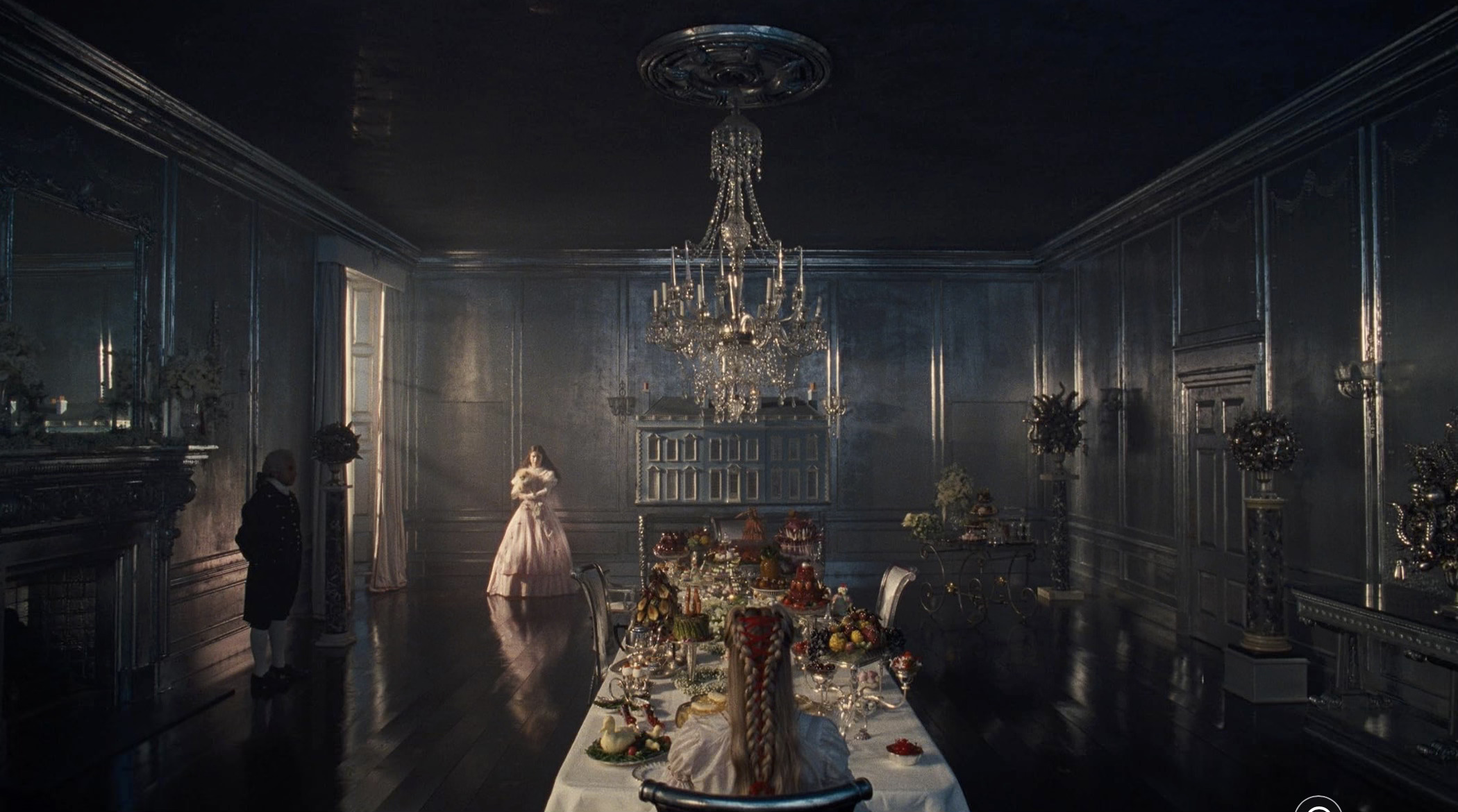
I think we’re allowed to want that in a director. But expecting Emerald Fennell to change is a bit like expecting blood to shoot out from a stone, or some other odd Victorian supernatural belief. Well, come to think of it, the overall American reaction to Fennell’s film feels rather Victorian, if you remember the very Victorian “cult of domesticity” that was prevalent during the Brontës’ time:
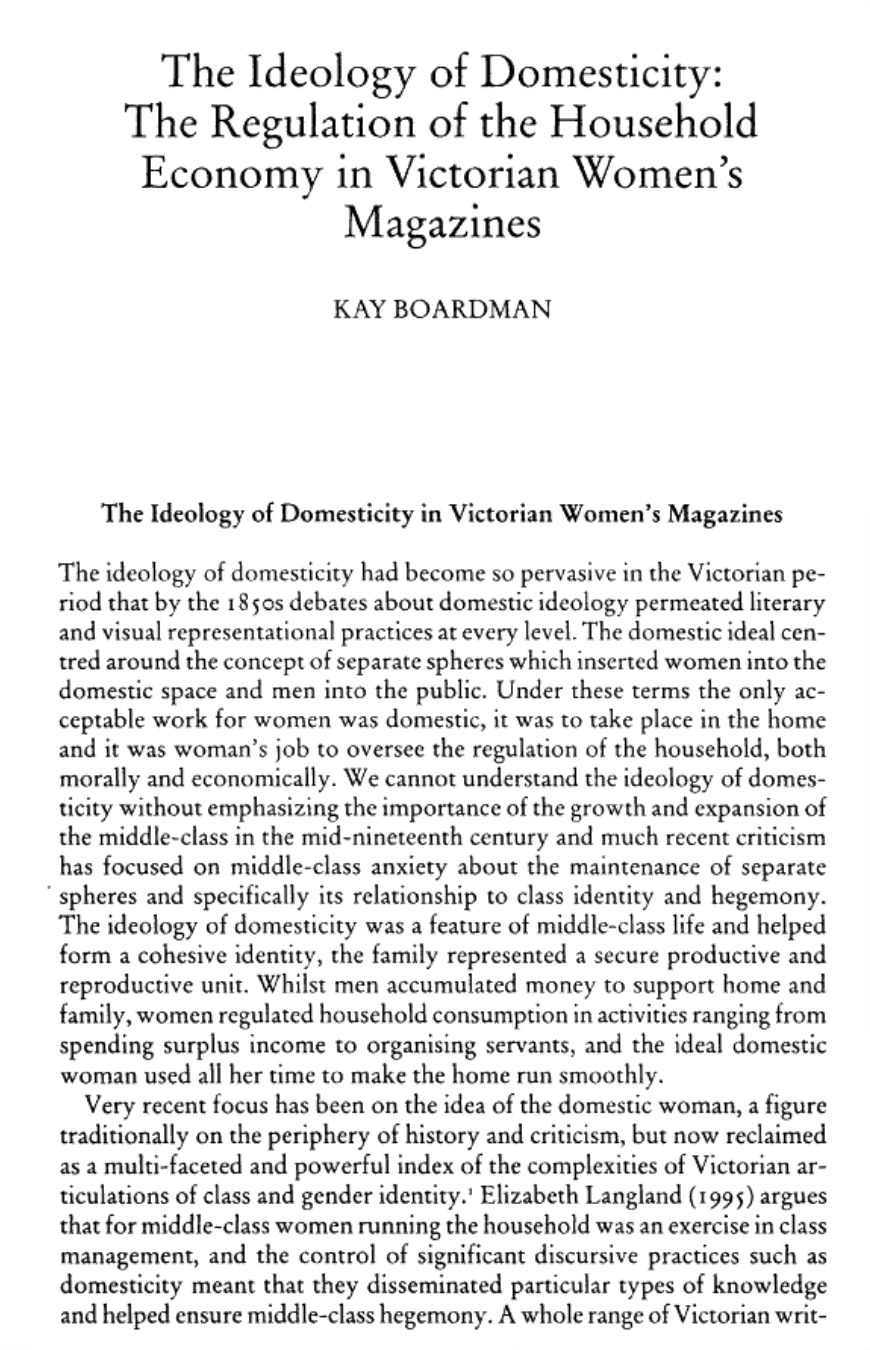
The “separate spheres”8 concept that was pushed and reinforced during this time wanted women to be the center of the home, meaning also its moral center. Sound familiar? White women were believed to be pious, pure, submissive, and domestic.9
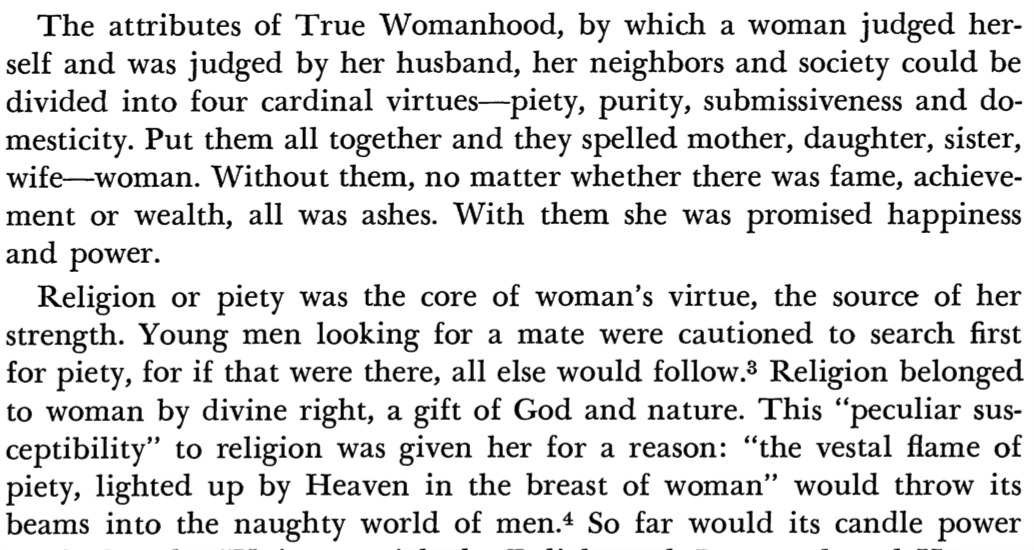
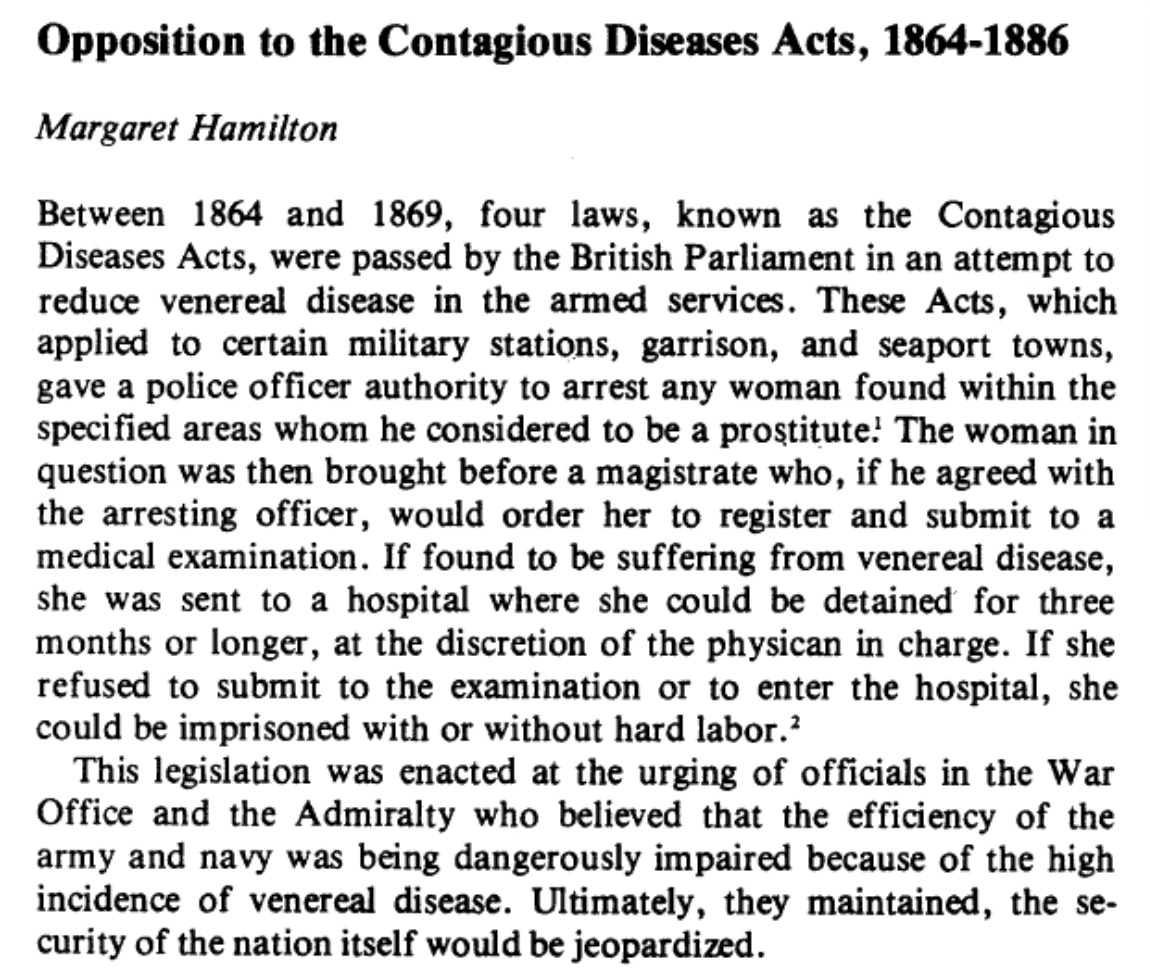
It sounds a lot like the recent tradwifery, “divine feminine,” and “hot girl aesthetic” as well as other white-woman-binding nonsense abounding about these days. It’s interesting to note that the last time this happened with white women so stridently was the 1950s, after a period of significant upheaval post-WW2 (but controlling women’s bodies during times of political and economic unrest is unfortunately timeless and a whole other essay). When we heave all the responsibility of an industry’s morality onto Fennell’s shoulders, we shift the blame of a system onto a woman who doesn't, to be completely frank, have enough power to single-handedly change said system. Could she have at least tried? Yes, absolutely. I won’t begin to say she’s not without personal culpability. She wrote and directed the script, and she got into a pretty intense bidding war that was won by Warner Bros.10 However, she won the job and was ultimately hired because of the body of work she already created. I don’t know the details of her contract with Warner Bros., but there’s a good chance she could have been removed from the project if she bucked too much against studio and contractual expectations. Who knows, maybe Greta Gerwig could have been dropped in, and we could have had a twee, “Oh, golly, Heathcliff!” kind of vibe instead.11 Again, see issue two, and how many female filmmakers are being hired globally. And anyway, isn’t scapegoating a patriarchal, colonialist issue onto a woman exactly the kind of thing Victorians did to sex workers?12 Yes, I do believe so! How funny it is we also haven’t changed in the hundred years since.
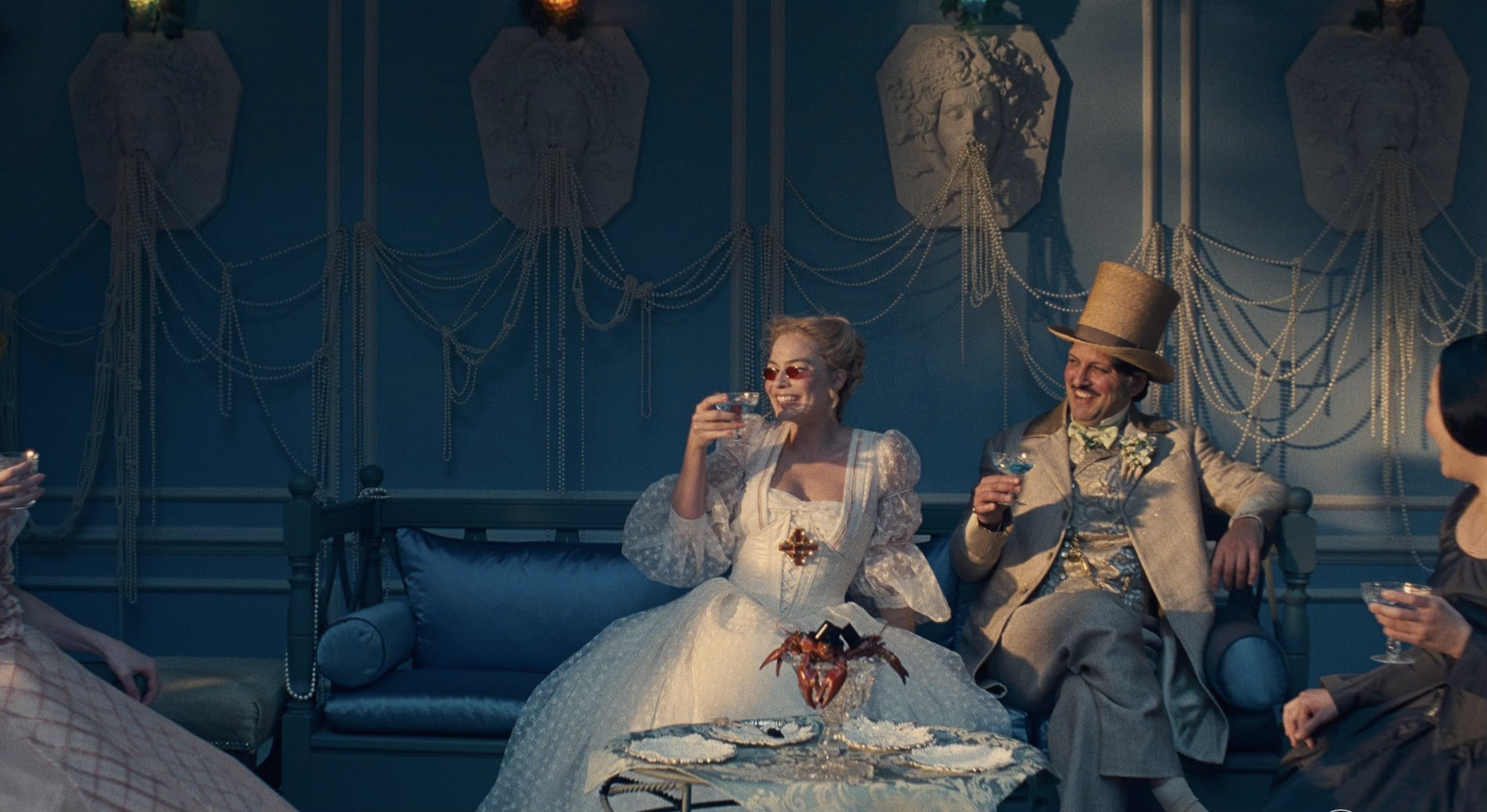
I enjoyed the film, though I understood at the outset that if I compared “Wuthering Heights” to Wuthering Heights, “Wuthering Heights” would be its toothless shadow. How much of the movie was purely her without studio capitulation is hard to say, as once again, I don’t know her and I wasn’t a fly on those flesh-colored walls, though I imagine much of her vision had to be compromised. (No one’s handing out 51 million dollars anymore to cast Warren Beatty as a bimbo in the desert.)13 That’s an overall problem with art and filmmaking, a nasty, dirty little truth we’d like to bury and forget beneath the glitz and the glam and the hot lights: If you need financing, you have to dance the sexy dance to the jingle of the coin purse. To say that Fennell had free artistic rein is a bit fantastical, if not shortsighted. If she didn’t do some sort of metaphorical dance, we would have never been given Lobster no. 1 wearing a top hat.14
I think there’s a world out there in the future where Emerald Fennell can have her horny, horror, color-blind cast, ‘inspired by’ adaptation of Wuthering Heights, a world where we can have a historically accurate Wuthering Heights made by another woman or nonbinary person, a world where we can have far better, far more complex roles for BIPOC individuals, and space in that world for BIPOC directors to create films that have nothing whatsoever to do with Wuthering Heights (or create Wuthering Heights! Erich Fromm says competing for resources begets atrocity and more human destructiveness!15). Judging from what I’ve gleaned of her book, I think we can safely assume that Emily Brontë would have hoped for a less cruel world of more abundant opportunities, too.
Well, Emily Brontë probably would have yearned. Actually, strike all that. I haven’t the read the book to earn the right to speak for her.
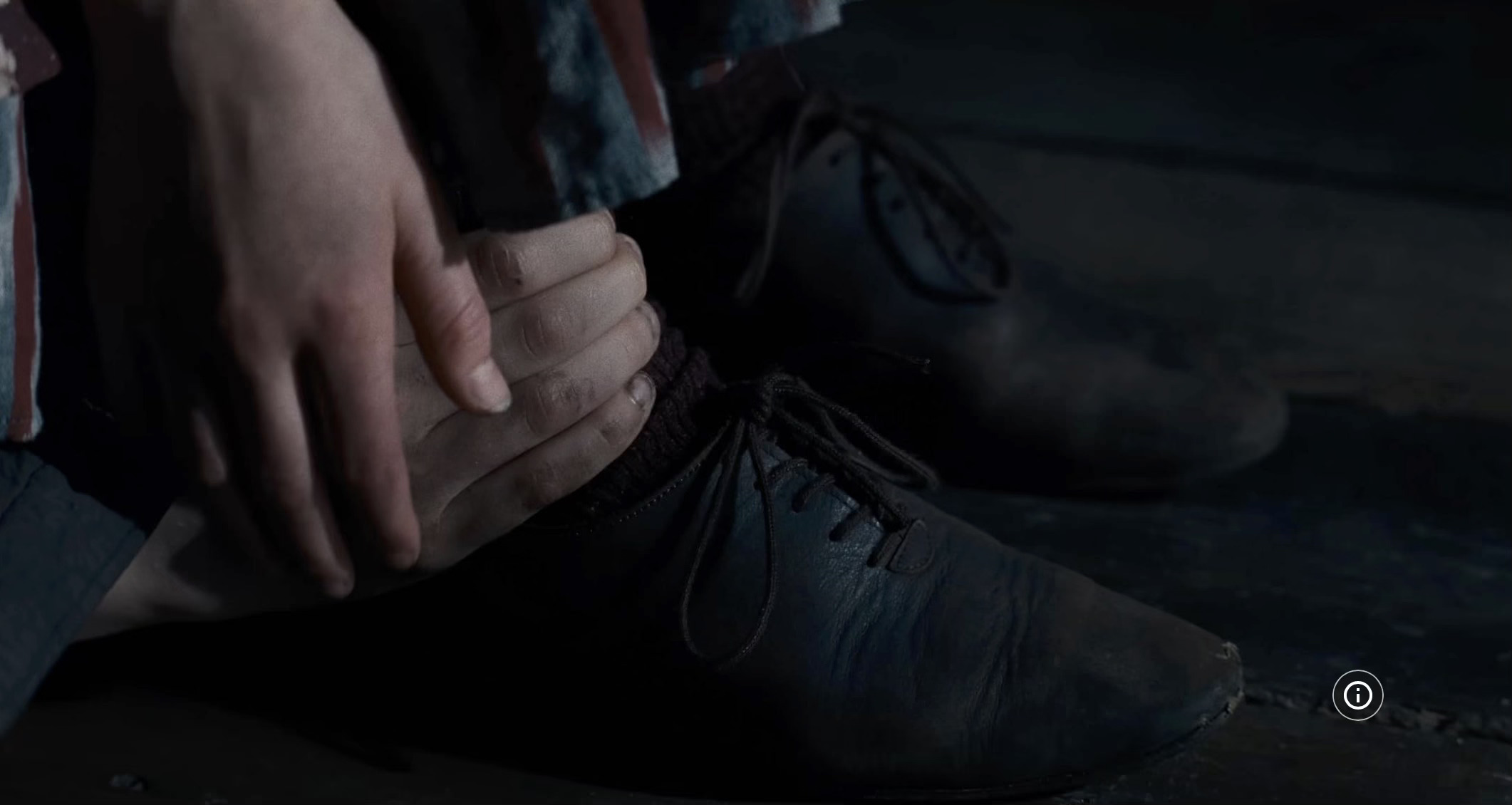
For industry professionals, you can make the pledge to mentor women and nonbinary directors in TV and film with Ally Pankiw’s Breadcrumbs
You can support Film Independent’s Project inVOLVE here
Learn more about Women in Film and Sundance Institute’s ReFrame and its programs here
Learn more about Warner Bros Access and its programs here
Learn more about AFI DWW+ here
You can see "Wuthering Heights" in theaters
(Object) The Epstein Files
The Epstein files went from existing, to not existing, to partially existing, to disappearing altogether, and now to almost-all there, but not quite!!!!
When the files started to drop, I stayed up late into the night, combing over social media to read the redacted items. I, like many women who grew up in the early 2000s, was glued to my phone that week. Why? Well it turns out that for most of our pre-adolescence and adolescence, we were bombarded with an unprecedented amount of pedophilic signaling.
It was everywhere, in every nook and cranny and shop and store. The first time I heard about thongs, I was 11. A Pink had opened at our mall next to Victoria’s Secret, and all my classmates were discussing it, and how owning one was important and vital and extremely, powerfully cool. I’d felt a sickening feeling, what I’d later understand to be cognitive dissonance between what our parents told us and what society told us instead. I was still so much a girl-child then, learning why it was so important for me to wear a thong around boys and men. I still wanted to play with my Barbies, as I was in that delicate transition period where you haven’t fully hit puberty yet. I had zero interest or knowledge of sex. Suddenly, it was very important that I dressed a certain way, held myself a certain way, compressed myself a certain way, and I didn’t understand why. The why came later, because of course it did, but I remember feeling, thinking, “So? This is so stupid,” as I stared at the items on the hot pink lacquered tray, laid out like candy. I glanced up at the striped PINK! puppy stuffed animal at the center of the underwear carousel. I may have been 11 and still interested in Barbies, but I was old enough to know that stuffed animals and thongs belonged to two different worlds, and definitely not in the middle of a mall. I crossed my arms reflexively, more defense than offense.
“This is stupid,” I muttered, low.
It was. It is. It was also more than that, which I’d learn later, because all of it was also a crime.
Everything in that mall was owned by Les Wexner. Limited Too, Bath & Body Works…everything, everywhere you turned, it was: keep it tight, keep it small, keep it sweet, keep it smooth, keep it perky, keep it kind, and keep it smiling.
It. We were the ‘it’ that was commodified. We were the thing to be plucked and sold and discussed and watched and prodded and groped, and I found myself claustrophobic by the time I reached 12, running out of my parents’ house that spring to stand with my forehead against the bark of our yard’s weeping cherry tree. There I didn’t have to hear the radio talk despairingly about 21-year-old Britney Spears’ breakup with Justin Timberlake, or watch clips of entitled, grown adults dissect Kirsten Dunst’s body in the new Spider-Man. I was in public, but I was safe, hiding amidst the long branches, allowing my mind to go blank. I started later slipping into books, old ones by decades and then hundreds of years, feeling the lure of another time that wasn’t this one where I had to feel, when I stepped outside, that every inch of my skin was a property to be bought and then sold at a loss. I slipped away into the landscape of my imagination, finding solace in old music, where musicians sang of age-appropriate love, not the underaged variety that Kid Rock sang about on the Osmosis Jones soundtrack for kids in 2001.16 I began to watch old movies, where women looked like women, fully figured and old, and men welcomed it. Pursued that instead of me, who still had braces, and baby fat in my cheeks. I hid myself away until puberty completed, and it still took me many years to emerge into the outside, and even then it was tentative, this revealing of myself, because so little had changed and, in many ways, had gotten so much worse.
When I was 15, I remember driving to high school on a bus full of girls aged 10 to 18, and a man in a truck pulled up beside us and began to masturbate. We were stuck in bumper-to-bumper morning traffic as usual, and it took a couple of minutes for those who sat next to the right-side windows to become aware of what he was doing. I was finishing math homework, until I heard the hiss and crackle of many girls readying themselves to fight a guy. United, the older of us girls flooded the windows to block the sight from the middle schoolers, and we screamed obscenities (I remember once we got most of the windows down I had both middle fingers cocked and my voice cracking from screaming a Fuck and a You before going hoarse). We were stuck in traffic next to this pervert who, once he became aware that a whole bus of young girls had cell phones that could call the police and take pictures, smiled and took a leisurely turn off the nearest exit. My memory tells me someone wadded up notebook paper and threw it at his truck, and that someone did end up calling the police, but that was long ago and perhaps the mark of wishful thinking. I do recall that we told our homeroom teachers what we had witnessed, and I can say confidently none of us called it a crime, because we’d learned that sort of thing was gross but commonplace, to be expected, and something to be reasoned with and ultimately understood.
You see, most of us laughed that sort of thing off back then, brazen and bold. Young and strong, we were already wise in the ways of the world, and numb to the TV and the music and the films and the doe-eyed, skinny sexuality being pushed onto us by Abercrombie & Fitch. We’d had 5 years to test out all the messaging of how-to-be, and as it was such a narrow definition, so many of us internalized that we were failures. We could not easily reach these unrealistic goals, and so for those of us who could not try, we accepted that we were faulty, that we were broken, and that we were worse. Despite what we were told, we were still children, and so we continued to adapt. That morning, like so many other mornings, we accepted our reality and learned a way to navigate it. We laughed it off because we had fought, like we had learned to do, and then we went about our day. I had forgotten it already by lunch, as I’d heard of these types of things so frequently from friends and older sisters and brothers it wasn’t that extraordinary, and by the last shrill bell of school, I had forgotten it altogether and wouldn’t remember to tell my mother when I came home later that evening.
I’d forgotten about that morning for a while, how eye-rolling it had been at the time, and then sometime around the #MeToo movement, I didn’t. I sat with the memory when it came to me in my apartment, shocked enough to audibly only say, “…oh.” Just that. Oh. An immediate, harsh reframing. In my childhood naïveté, I’d made sense of the world as: some men are bad, but that’s the way things are. If you were to come across it, you fight like hell, and if you survived it, you laughed it off to make it smaller than you ever were.
I didn’t laugh at the Pam Bondi hearing.
I didn’t laugh until later, when I’d started to see the jokes and the memes about her monstrous evil. I’d needed someone else to be brave for once and start the eye-rolling. I’d done it for too long, for far too many years, and the gesture had stopped being the gesture of a brave child once I became, undeniably in the eyes of this world, an adult.
My husband looked over at me on one of the nights I was scrolling, scrolling, scrolling, and asked abruptly if I was alright.
I looked at him, surprised. “Yeah, of course.” I was fine. I wasn’t crying or angry. I was morbidly fascinated, but I was fine. “It’s just…” I searched for the words across his creased brow. His face twisted as he caught my sudden, ghoulish smile. “It’s more confirmation that it was all real.” I looked around the room, dropping the muscles of my face as I was now aware that I’d been grinning the eye-cold grin of rage. So much had constantly happened in the recent years that it’d been a while since I’d let myself feel that emotion, and I had forgotten the shape it made on my mouth, my face. “It’s this terrible confirmation that all my discomfort and alienation growing up was real.”
In a way, I’d protected what was left of my girlhood by retreating into isolation. I’d saved myself from some of the violence, but I lost that camaraderie some of my peers later experienced through communal social experiences that I’d intentionally avoided.
“I thought I was the freak,” I confessed to him, looking back into his face. His look of genuine confusion gave me back my sincere laugh. But it wasn’t that airy thing that I had forced out as a kid. This laugh turned sharp, and as I looked back at my phone, it came up again, surging and large, from the back of my adult throat. “That all along it was me that was the weirdo.”
That’s it for now!
If you need me, I’ll be in the sunny Maldives,

playing Monopoly with the little bungalows,

and cheering on the parrotfish as they use their little beaks and fins to maintain the beautiful white sands and coral islands.

Toodles & oodles of luridity,
XO Lurid Lauren
https://www.scientificamerican.com/article/strange-special-relativity-effect-observed-for-the-first-time/ ↩
https://www.scientificamerican.com/article/feeling-overwhelmed-by-the-news-heres-how-to-protect-your-mental-health/ ↩
https://www.nytimes.com/2026/02/20/opinion/wuthering-heights-jacob-elordi-bridgerton.html ↩
https://www.obs.coe.int/en/web/observatoire/-/27-female-workforce-in-european-film-production.-parity-by-2047- ↩
https://variety.com/2025/film/news/women-direct-11-percent-global-film-usc-annenberg-study-1236393892/ ↩
https://socialsciences.ucla.edu/wp-content/uploads/2025/03/UCLA-Hollywood-Diversity-Report-2025-Theatrical-Film-2-27-2025.pdf ↩
Do we not remember the film she made where the young lad licks cum-laden water out of a bathtub? I would argue that Saltburn is not a film about classicism, but rather psychopathy, and how it infects all levels of social class. ↩
https://deadline.com/2024/10/wuthering-heights-warner-bros-margot-robbie-jacob-elordi-movie-1236157085/ ↩
Let it be known I do like Greta Gerwig and her movies. We can hold two different truths at the same time, like being aware of someone’s stylistic tendencies and liking them all the same. ↩
https://www.newyorker.com/culture/richard-brody/elaine-may-talks-about-ishtar ↩
I looked. I don’t believe that creature got a credit. ↩
You can purchase The Anatomy of Human Destructiveness here ↩